At the Door of Fatima: Three Nights with Sayyid Kamber Hussain

2026 | ١٤٤٨
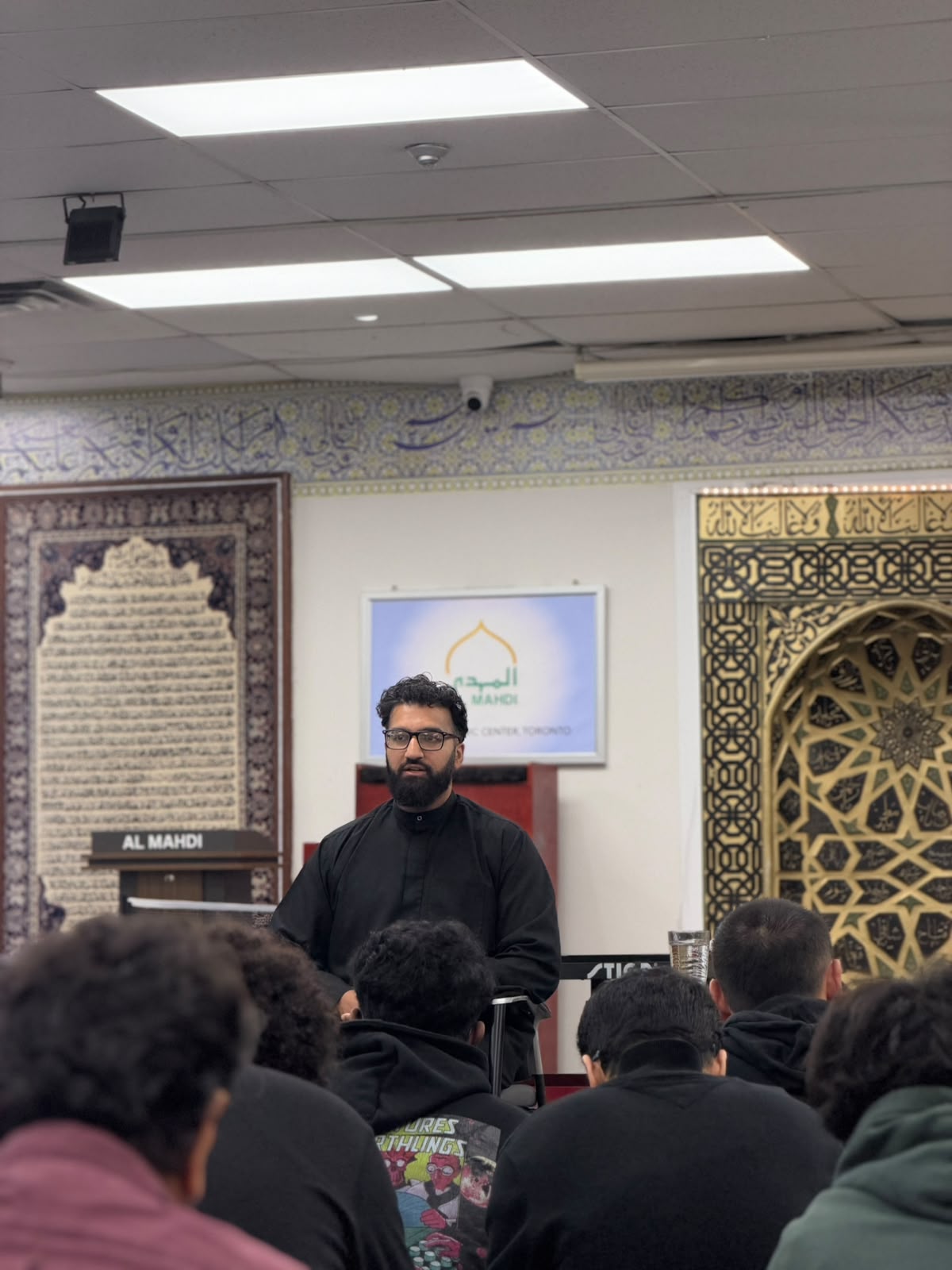
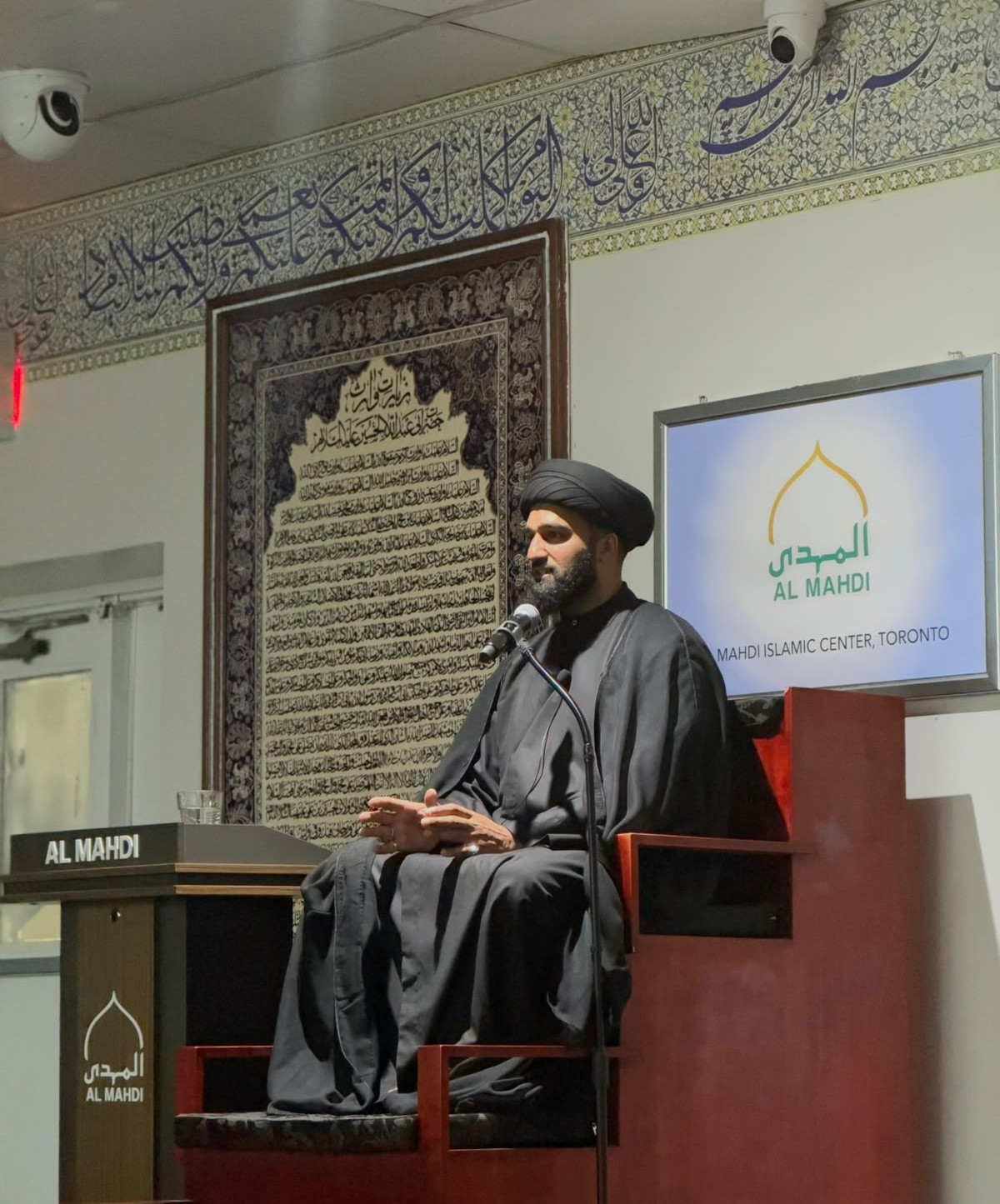
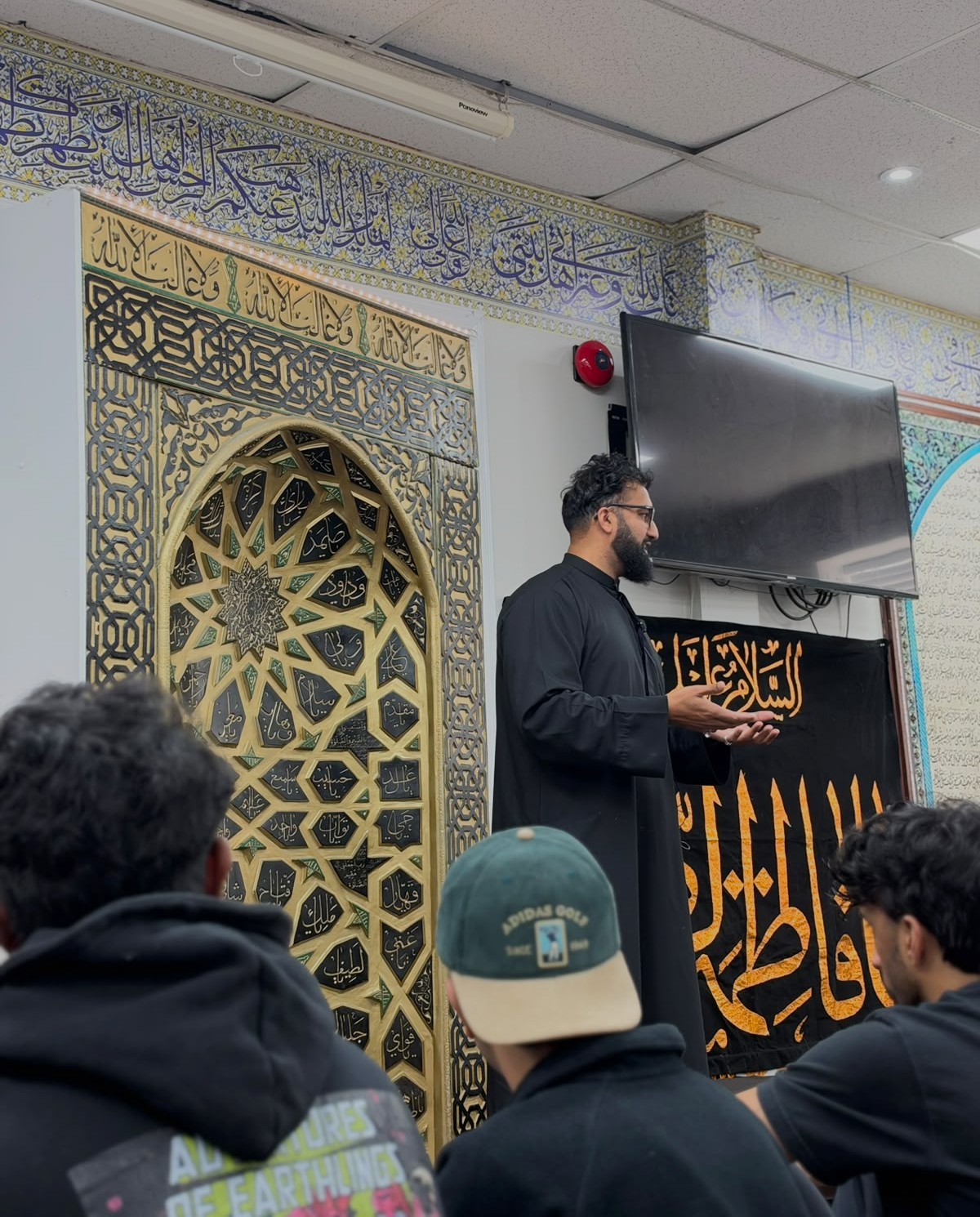
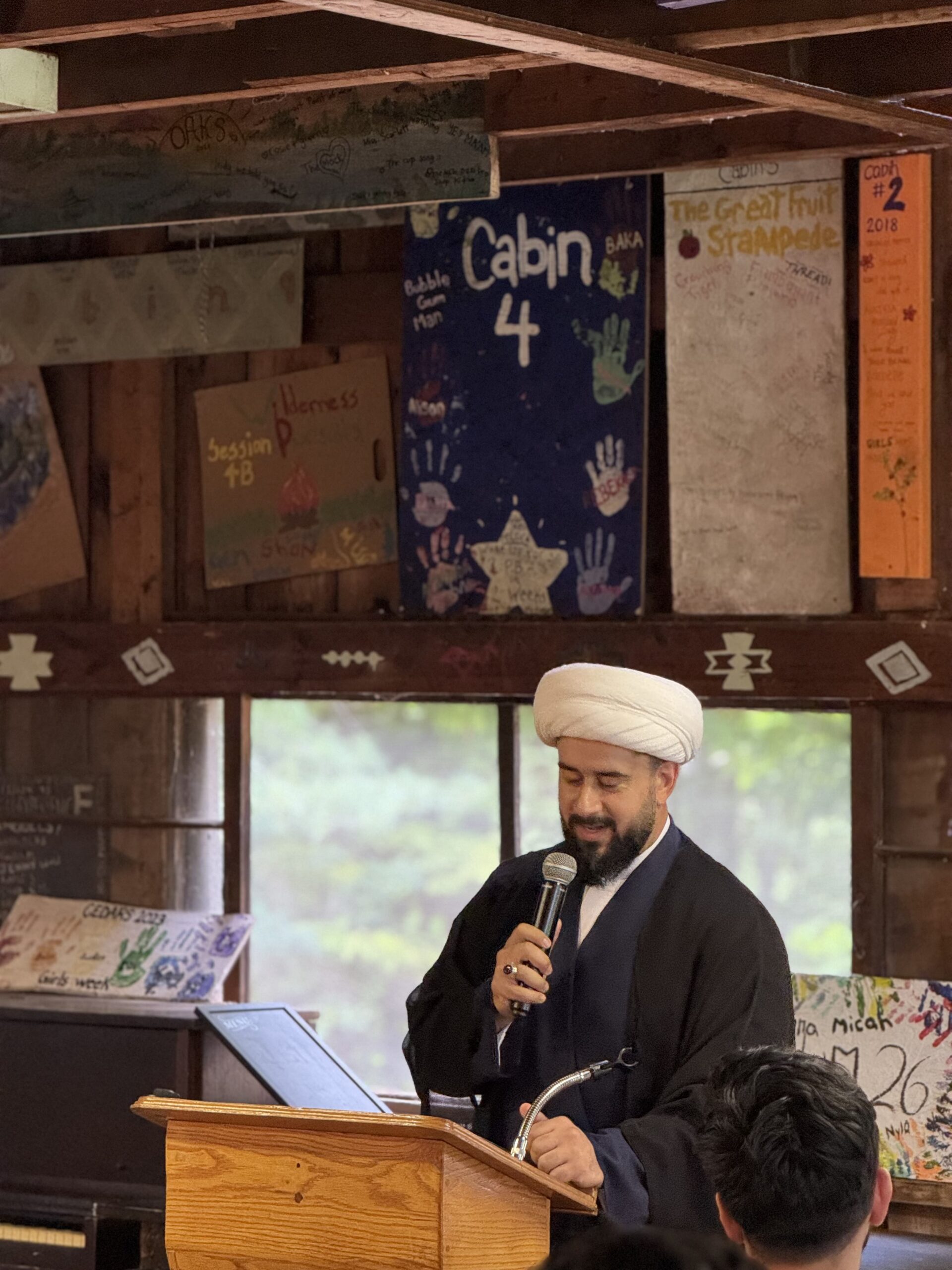
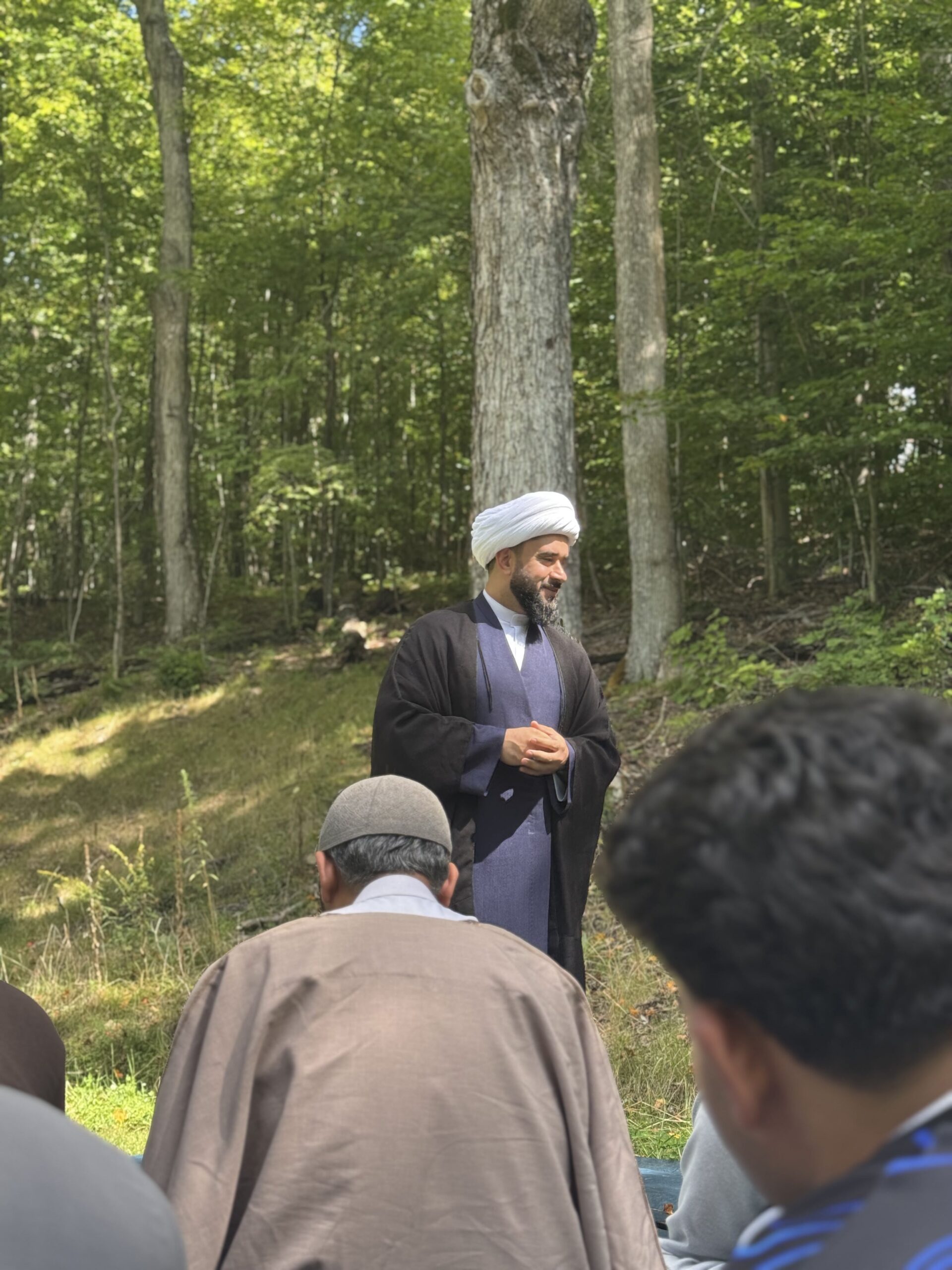
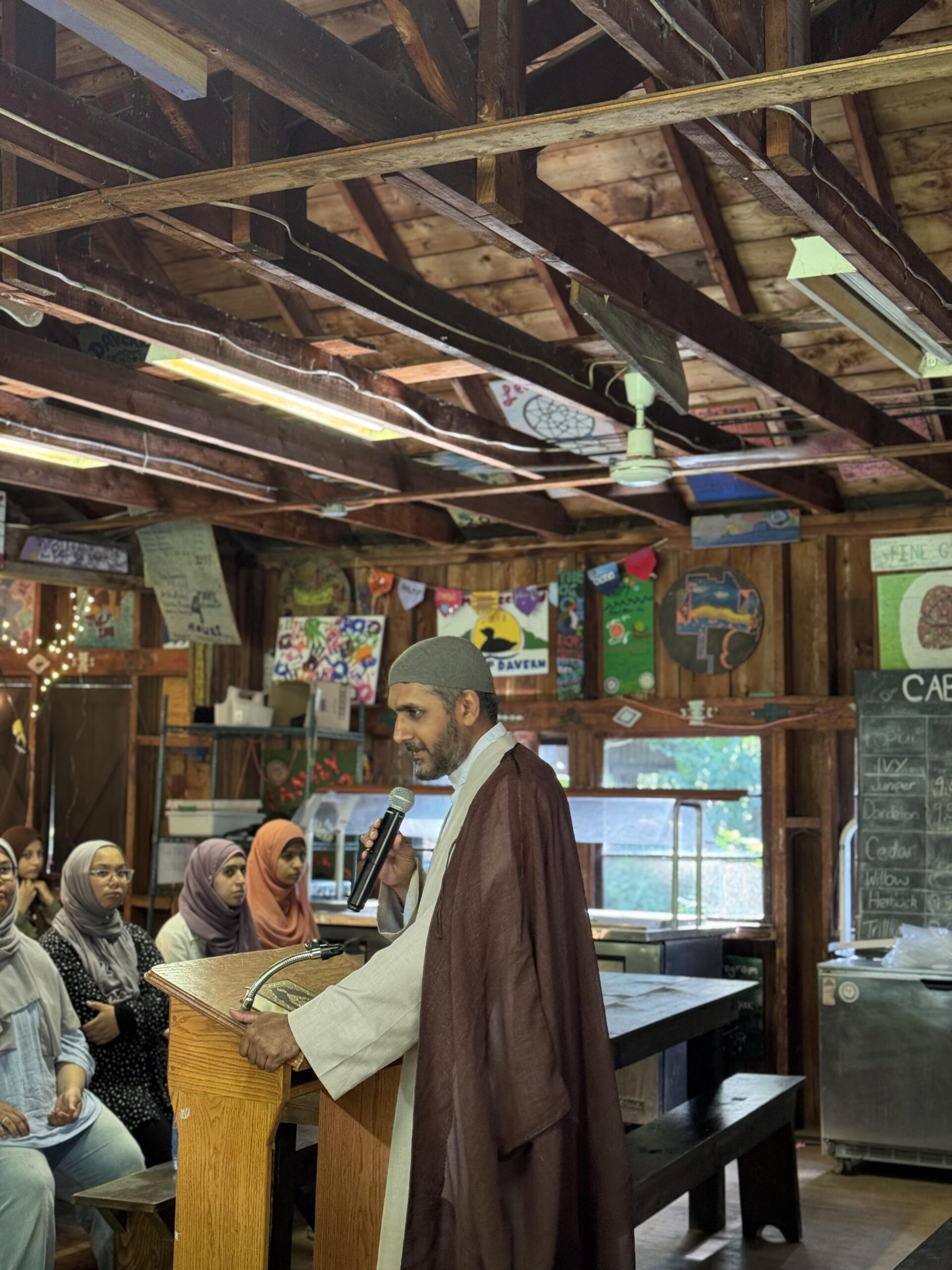
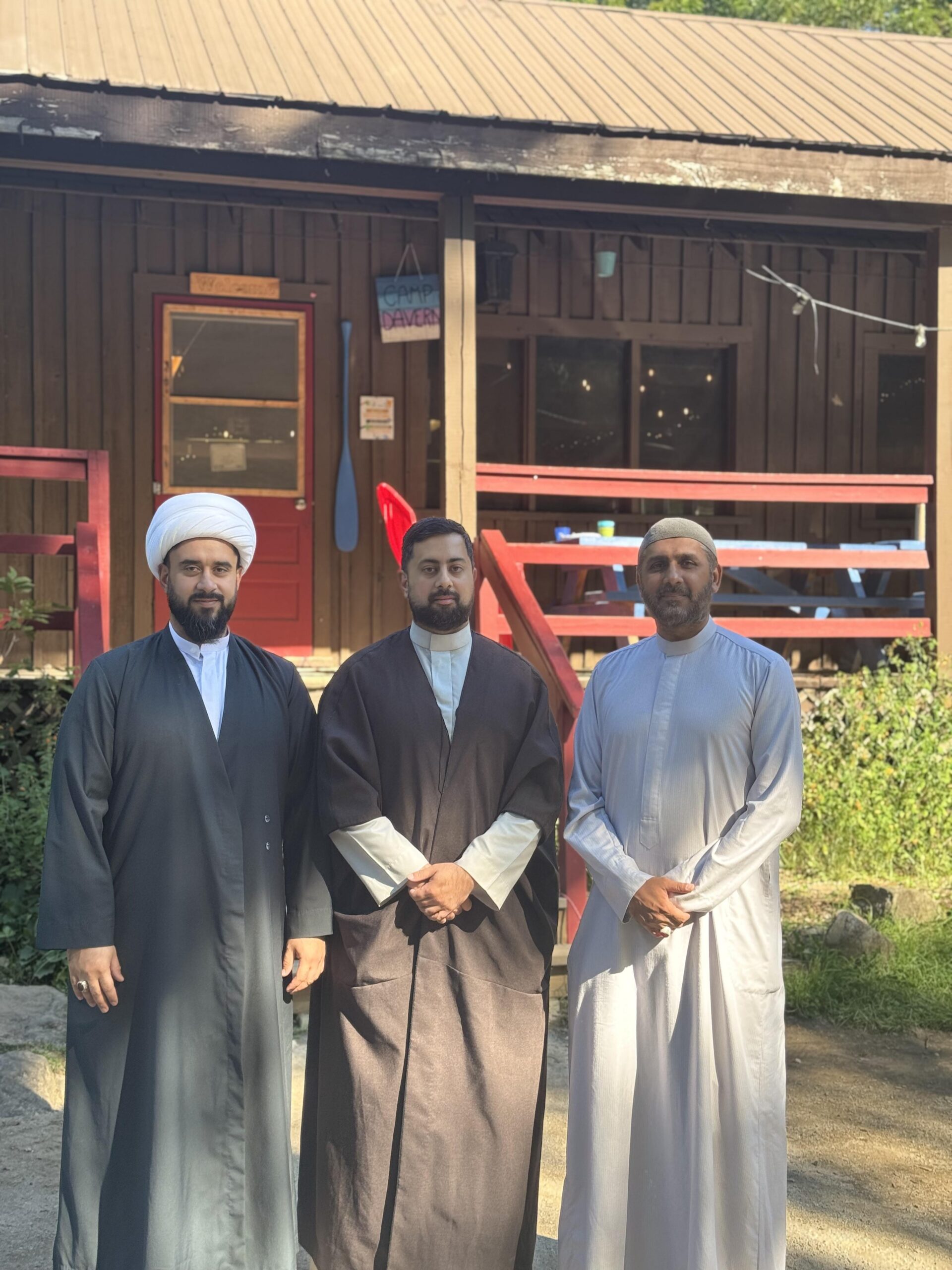
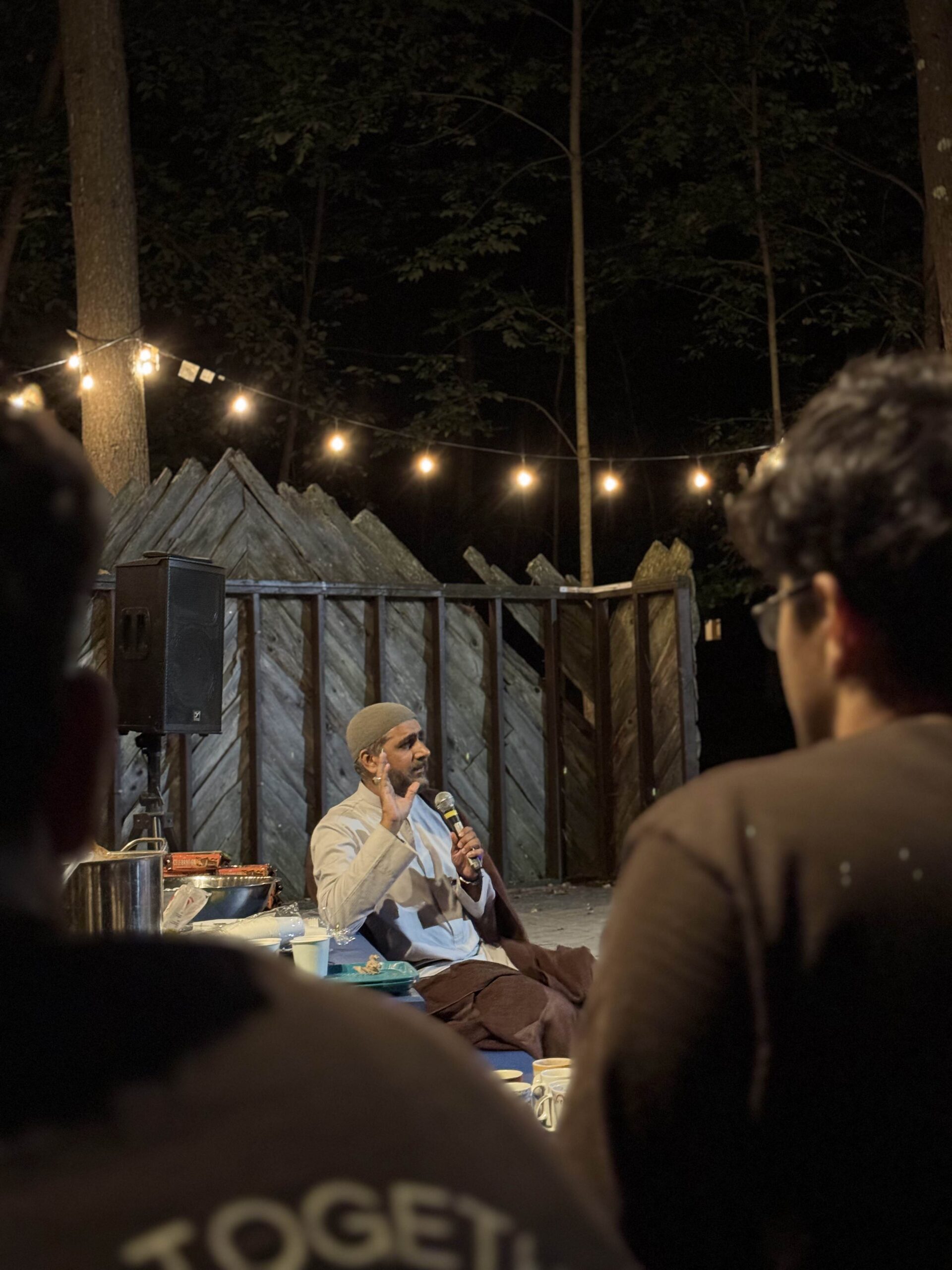
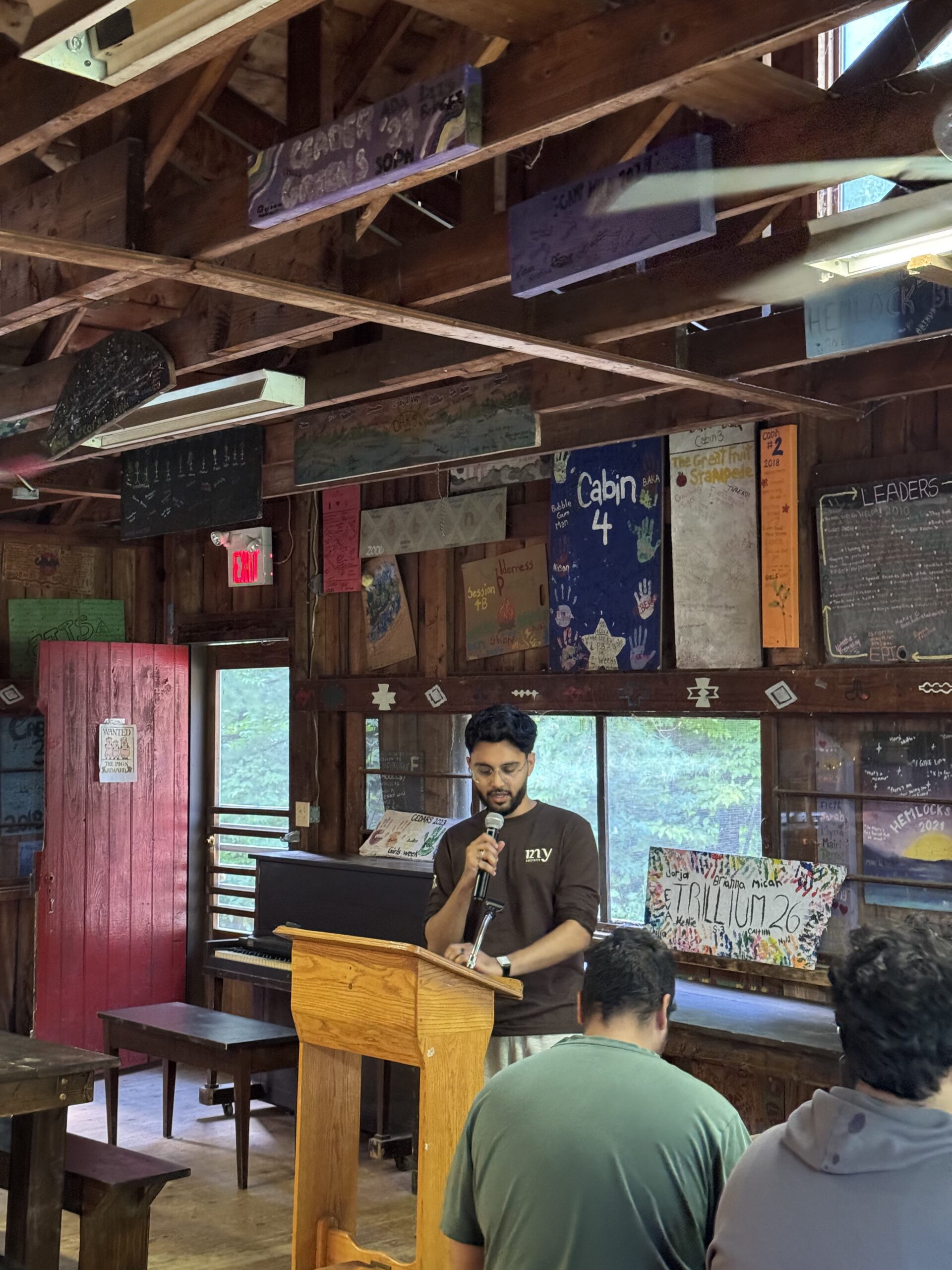
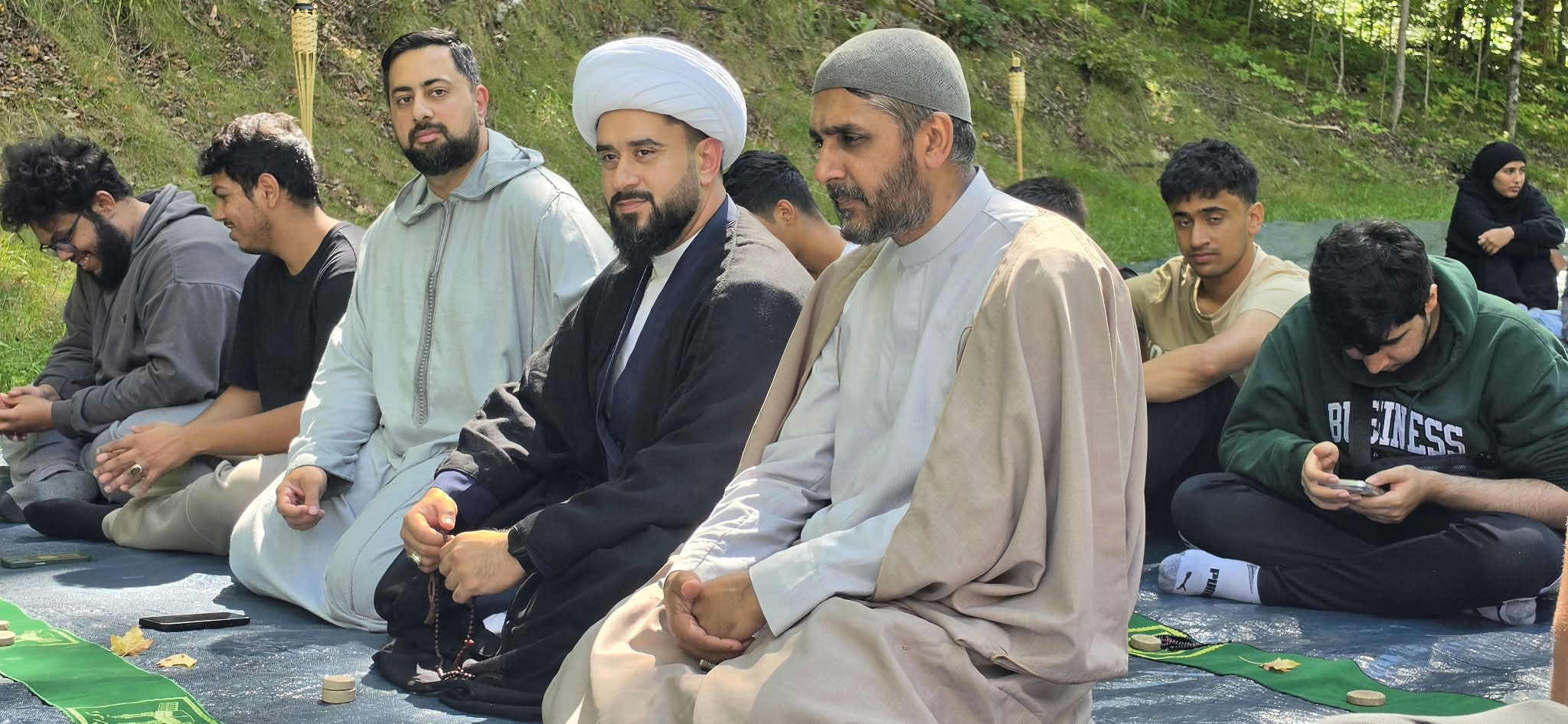
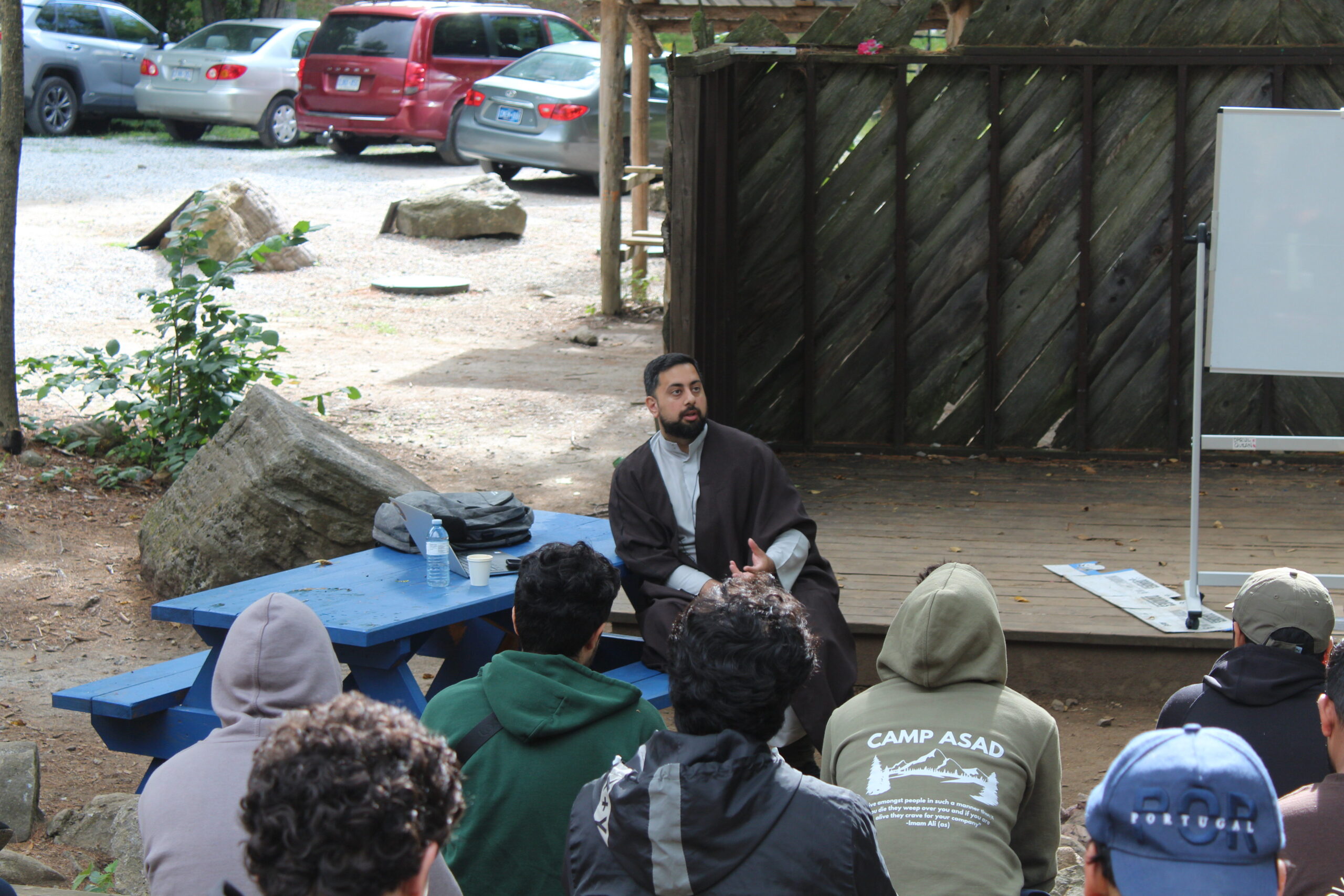
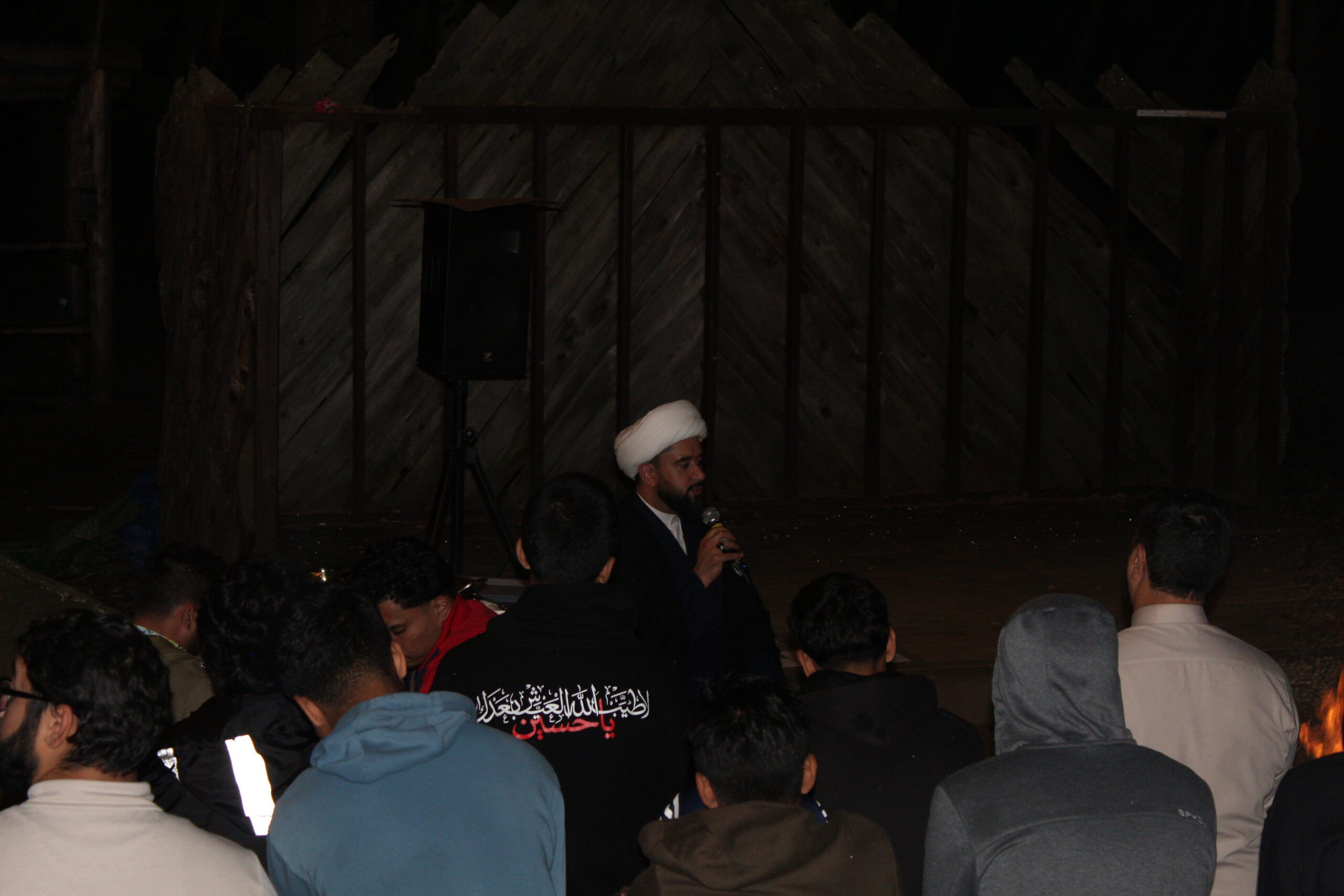
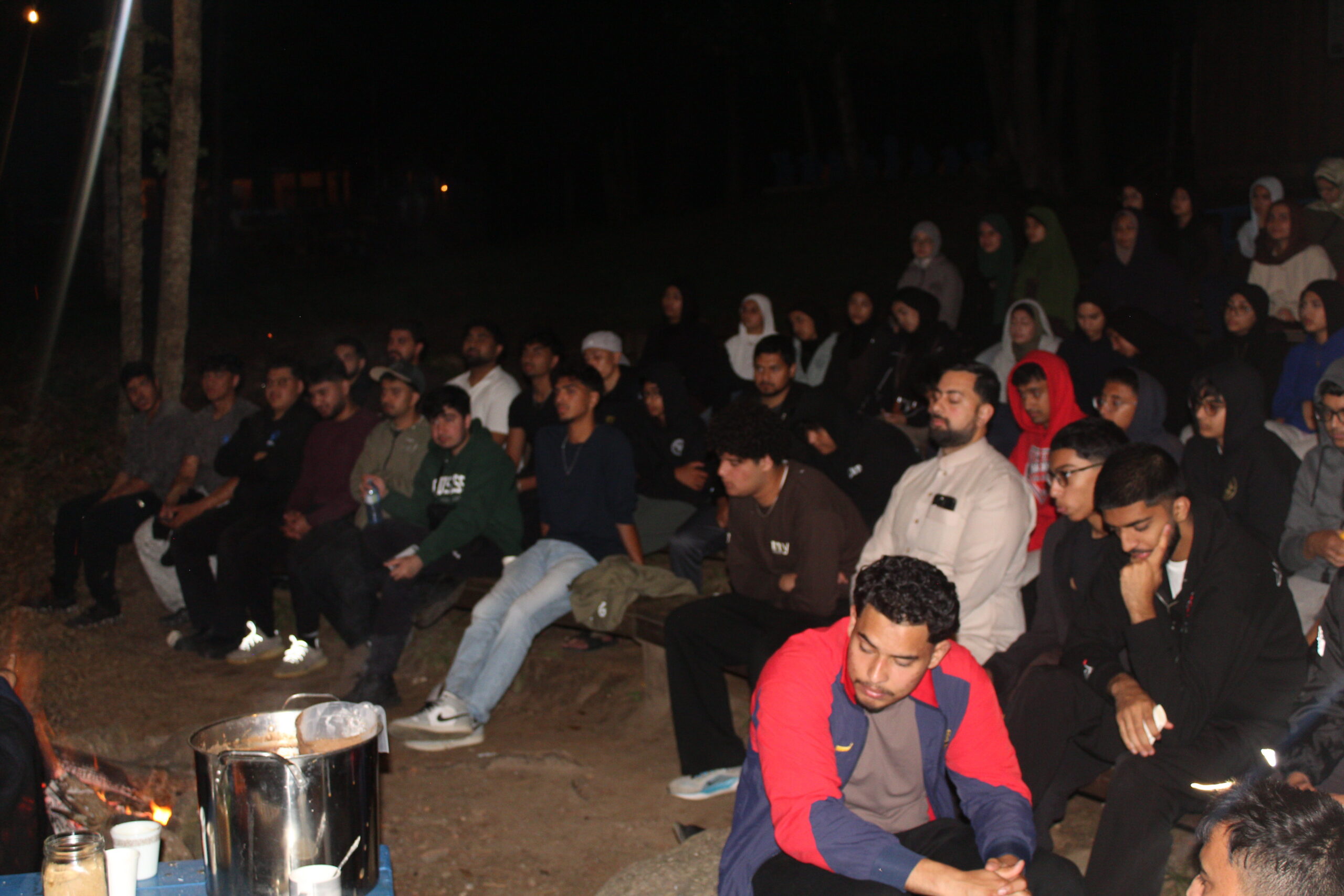
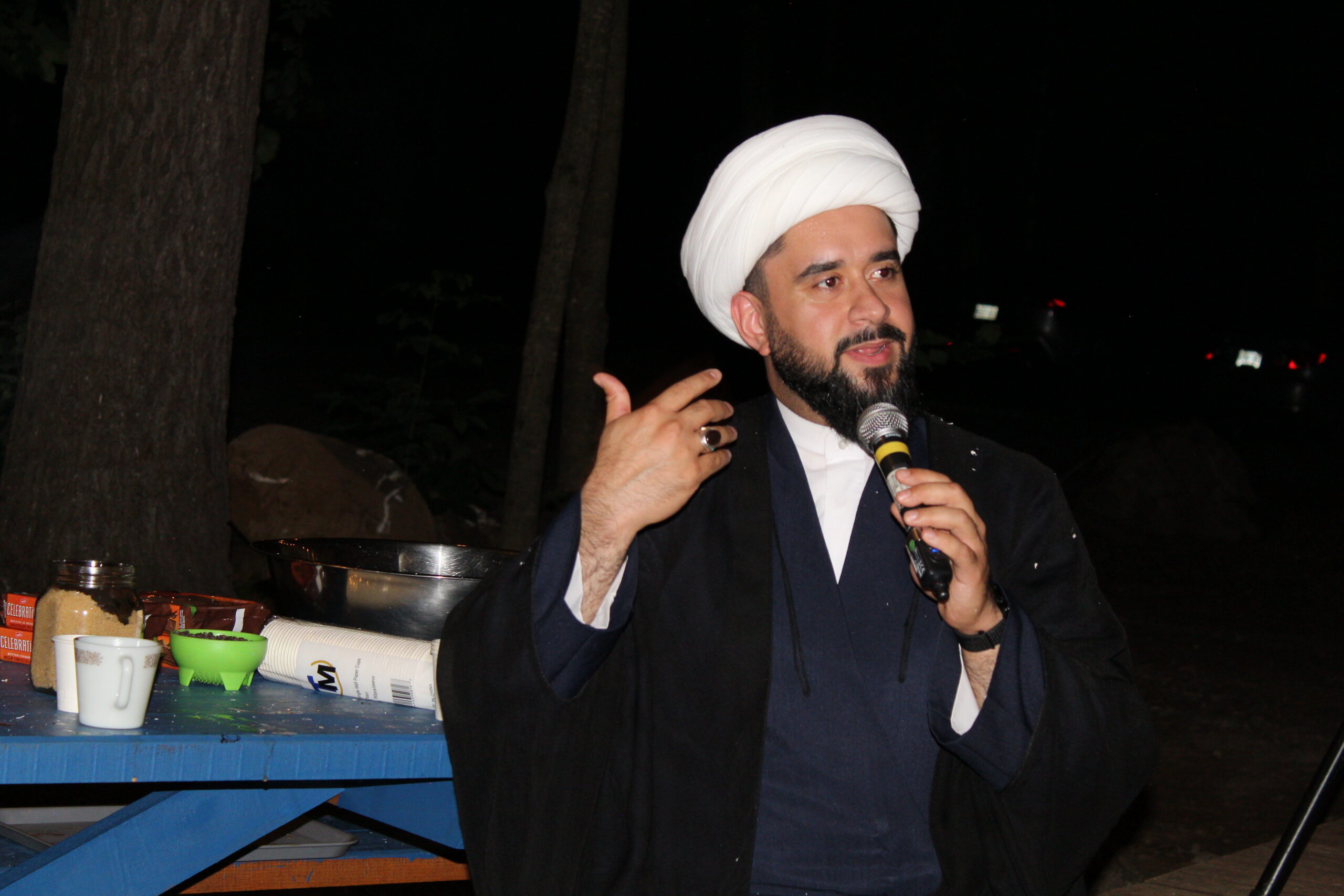
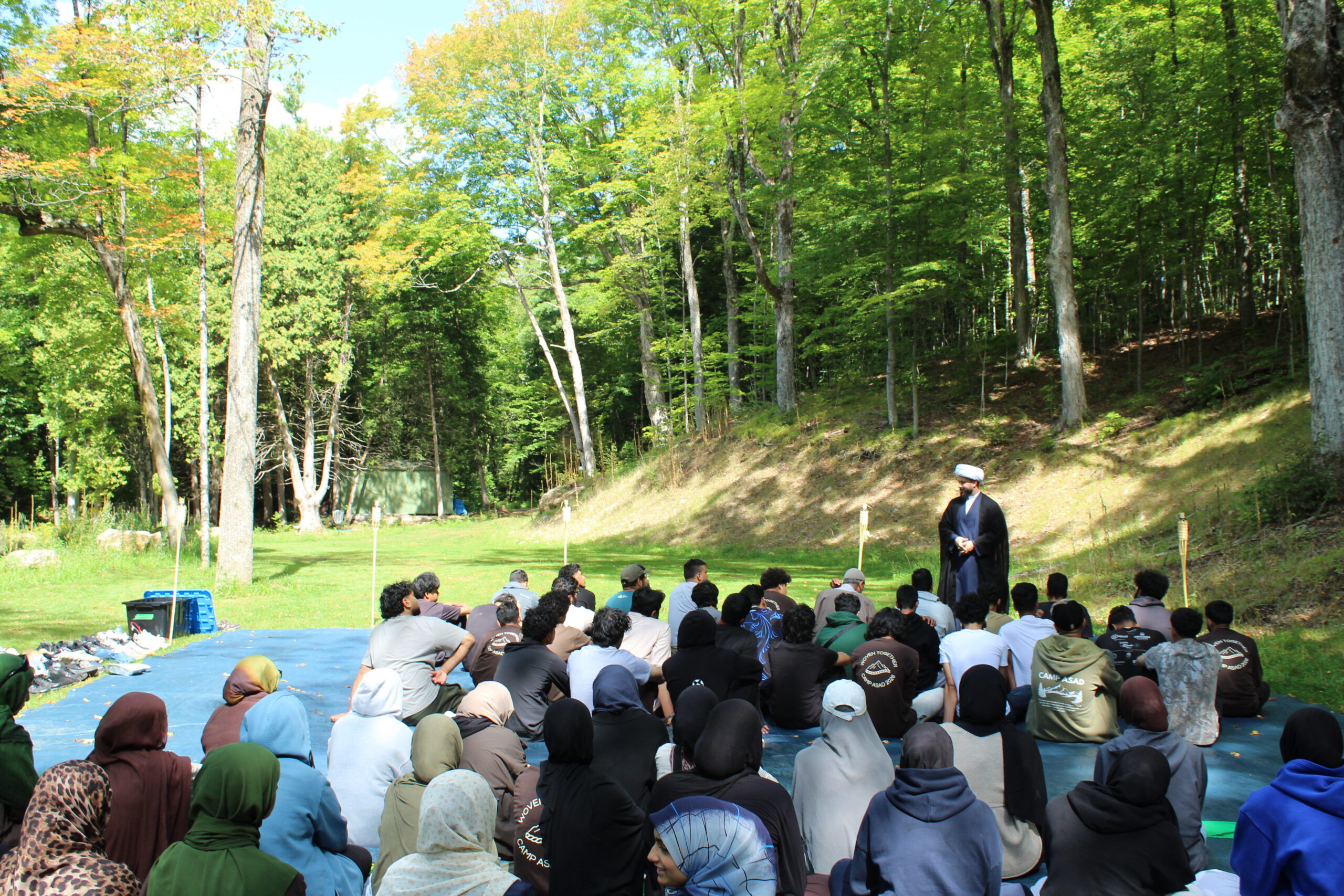
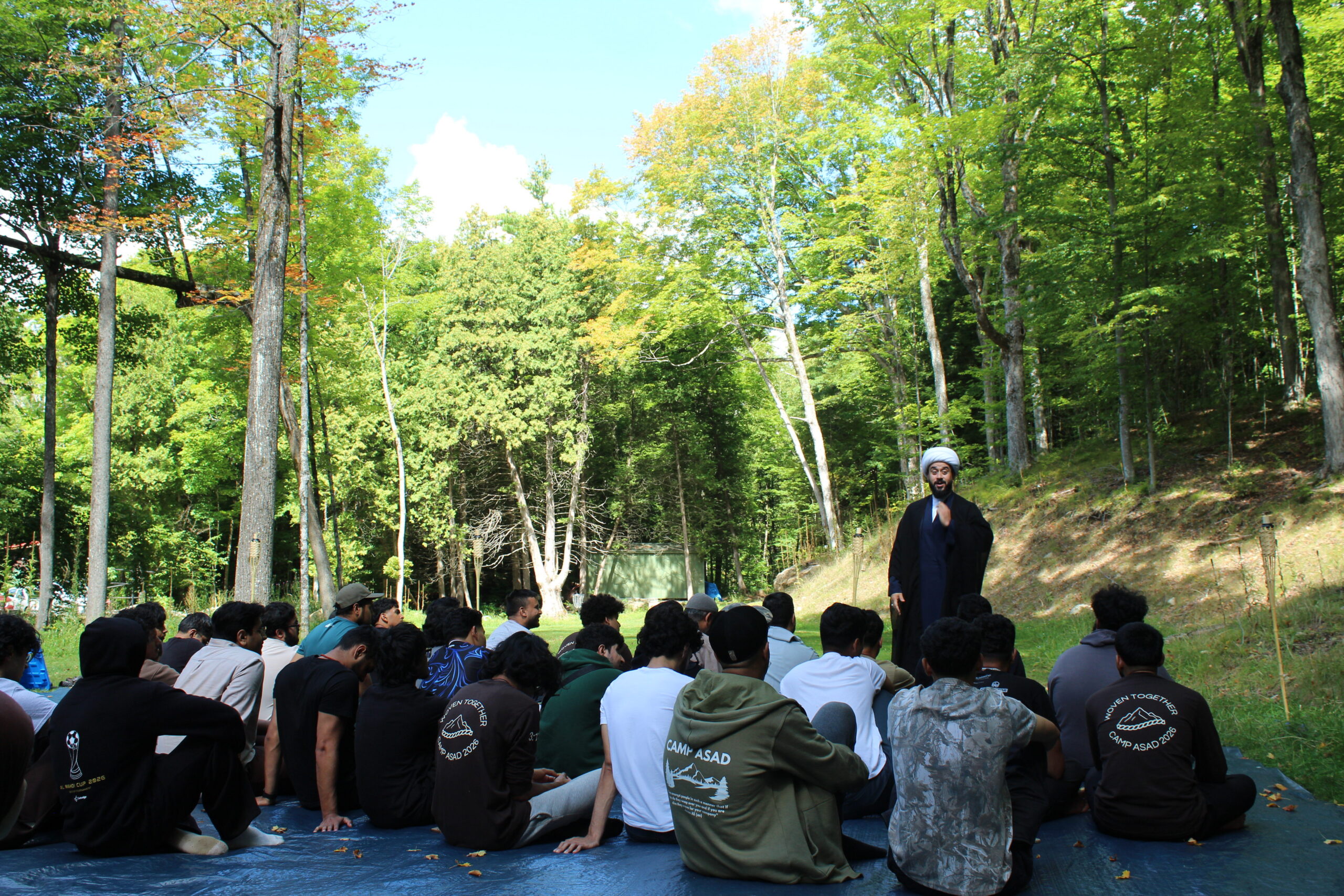
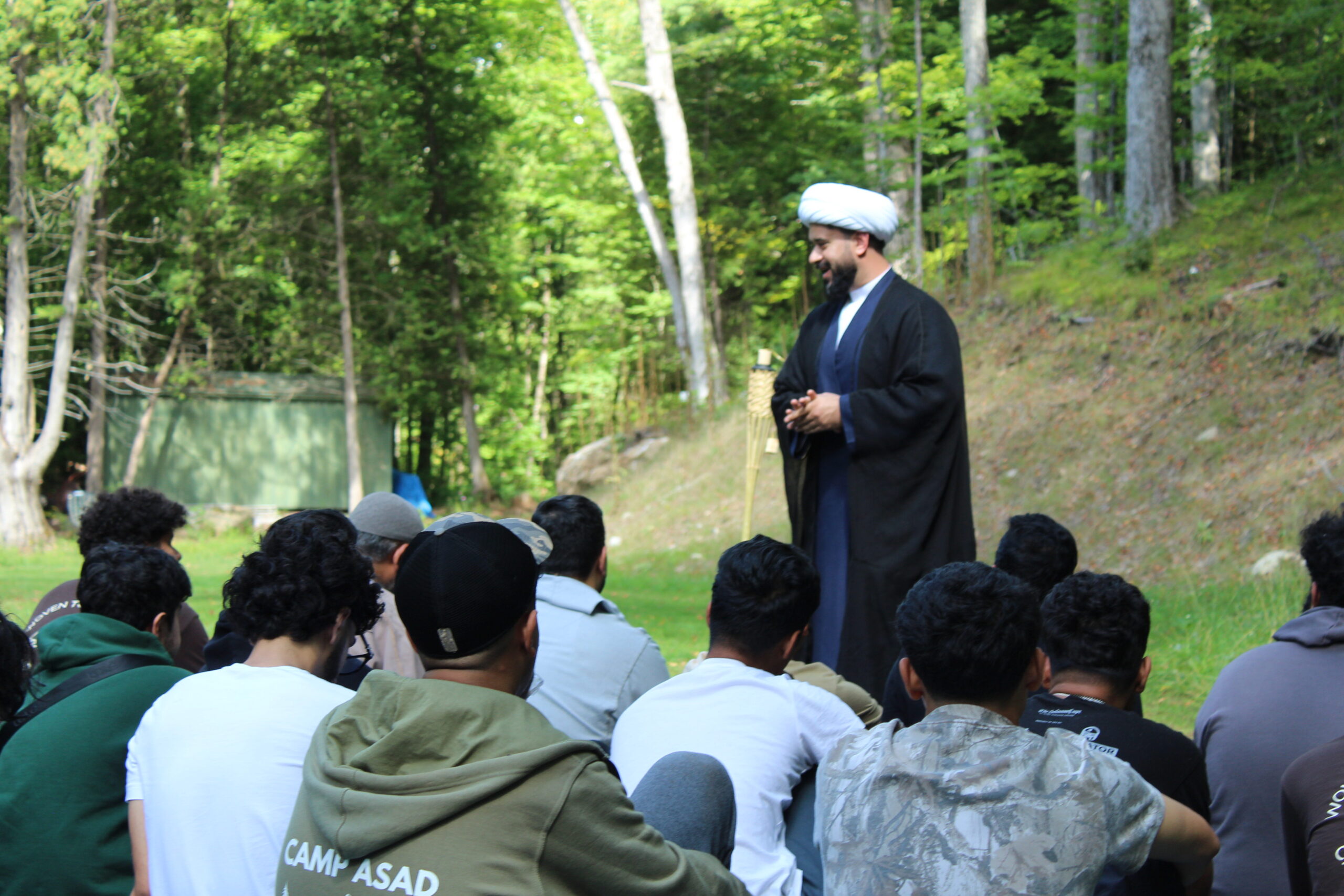
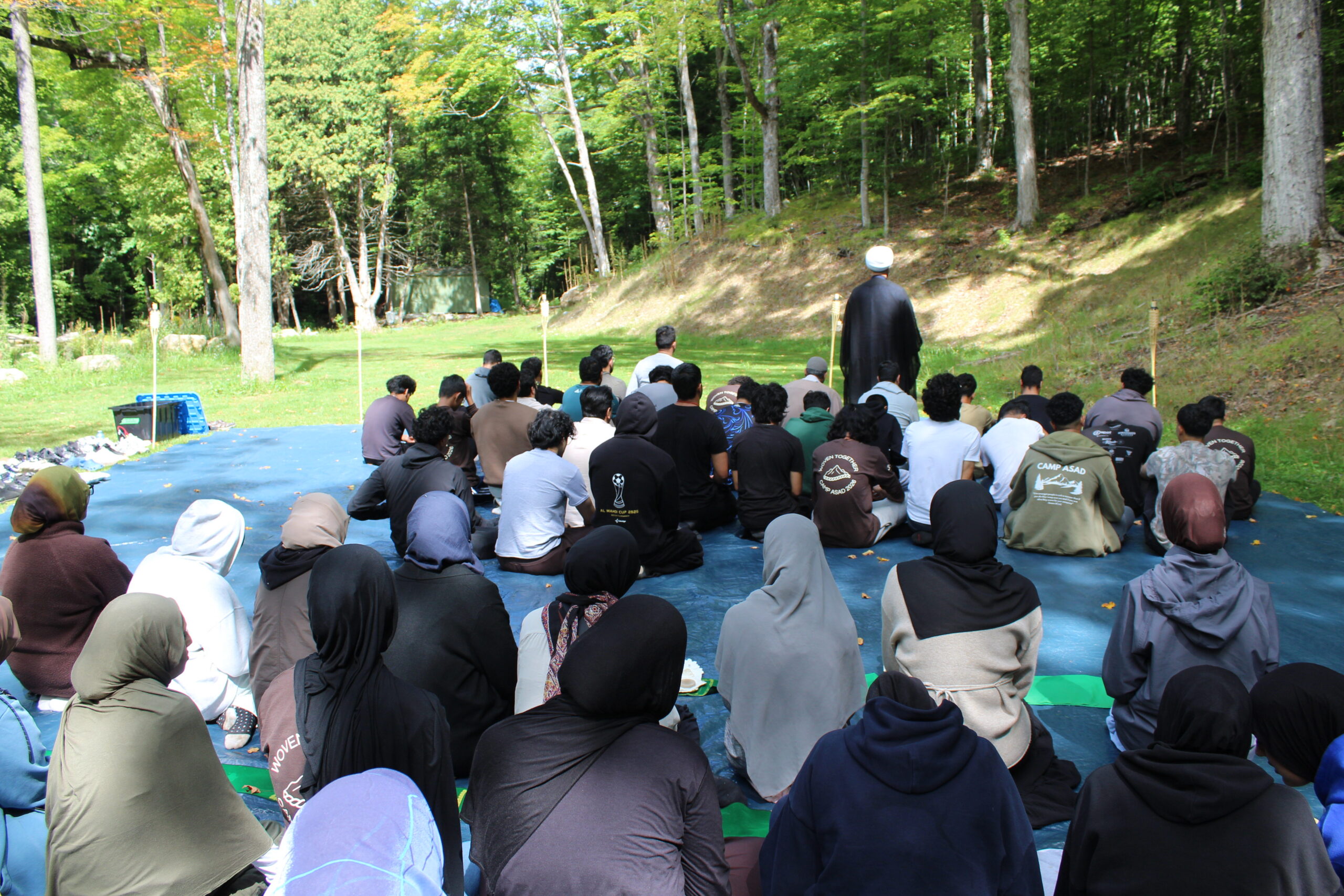
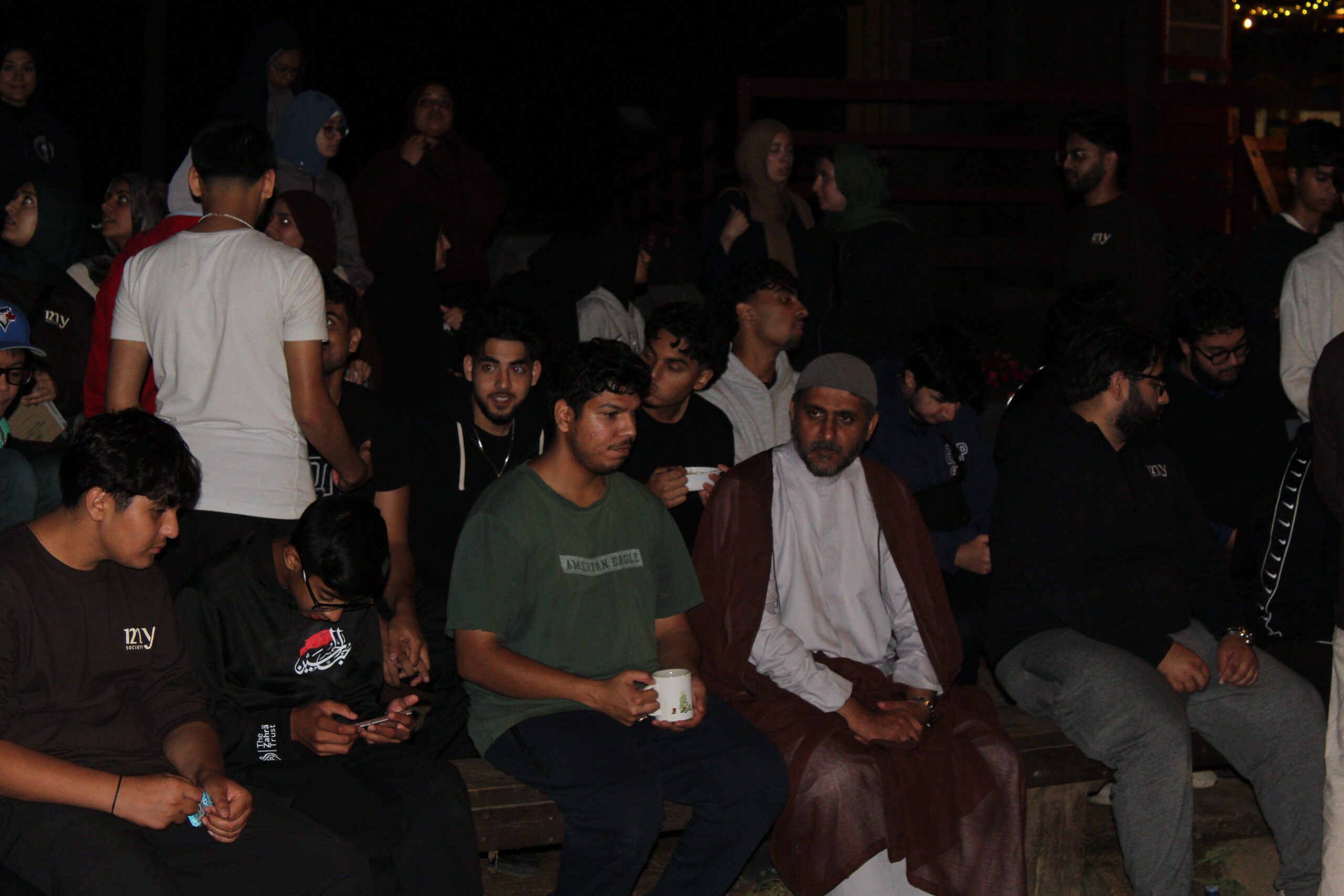
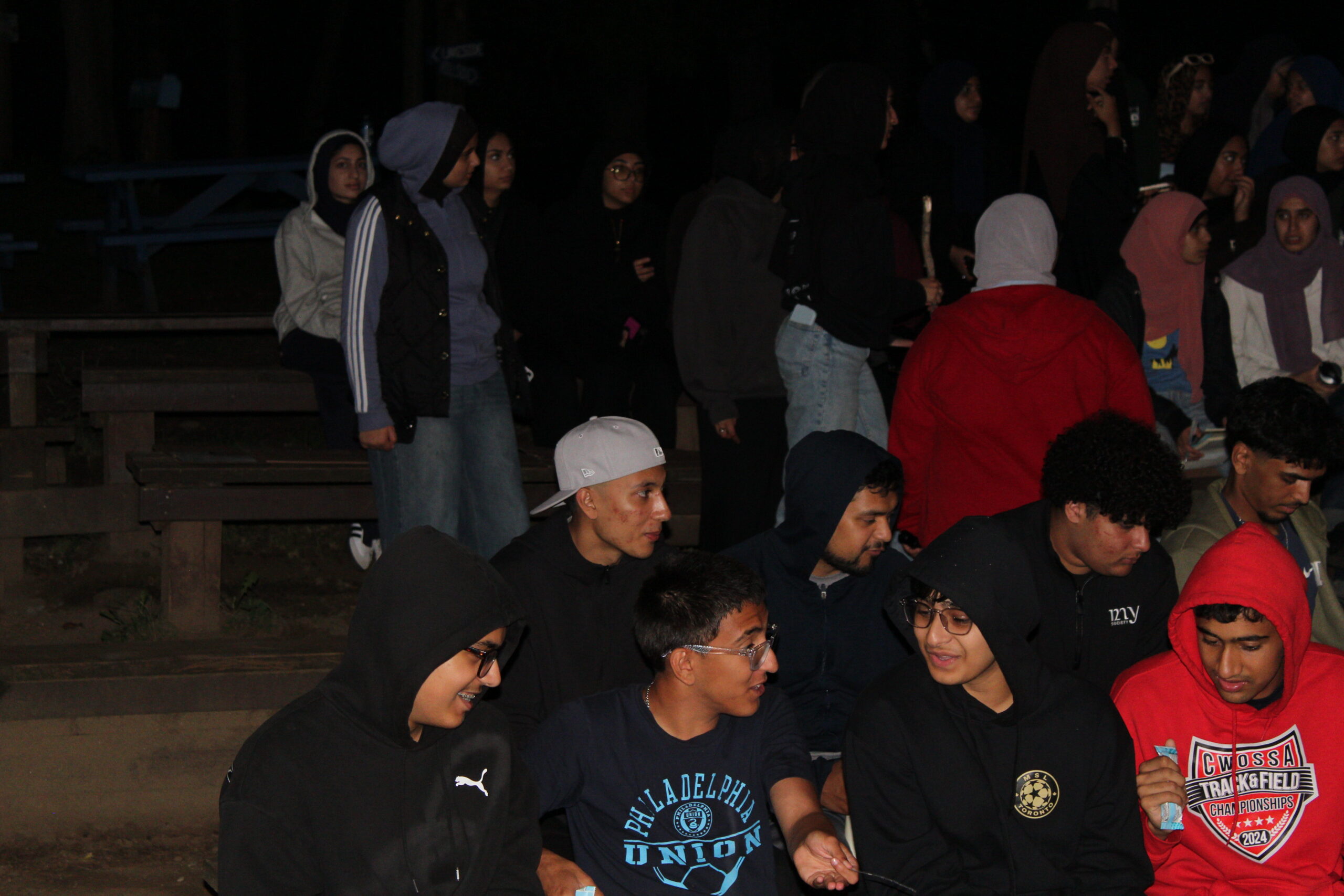
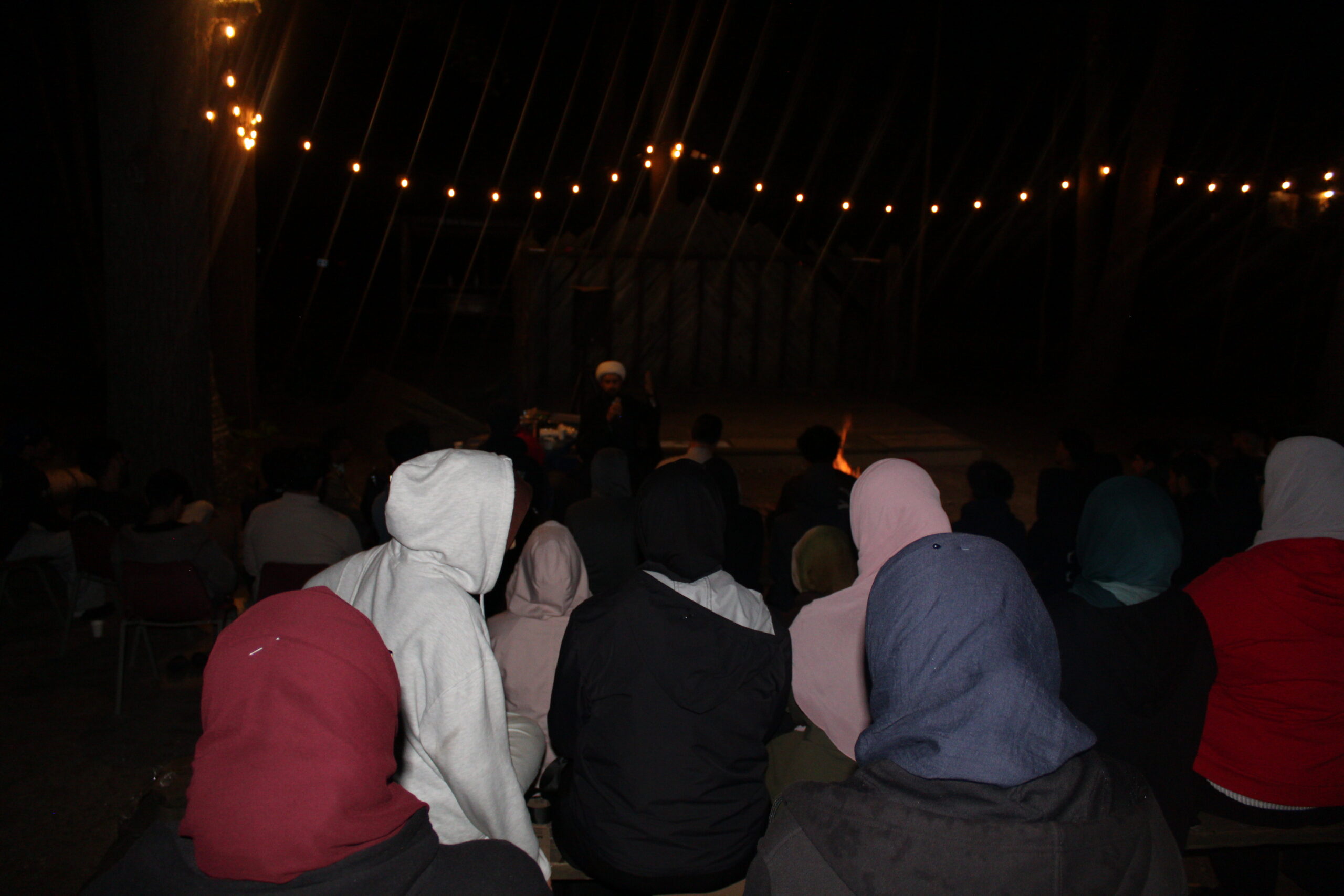
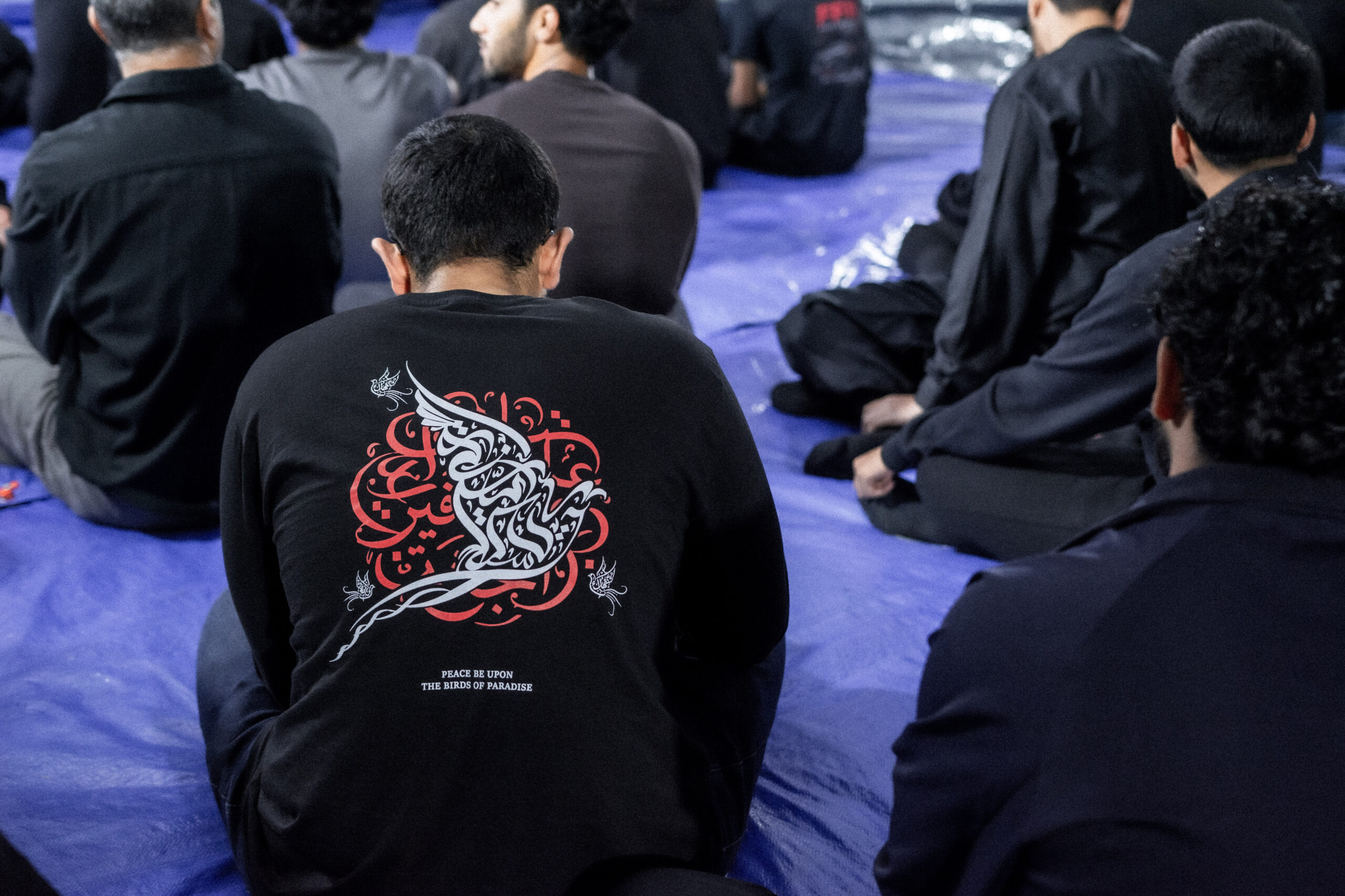
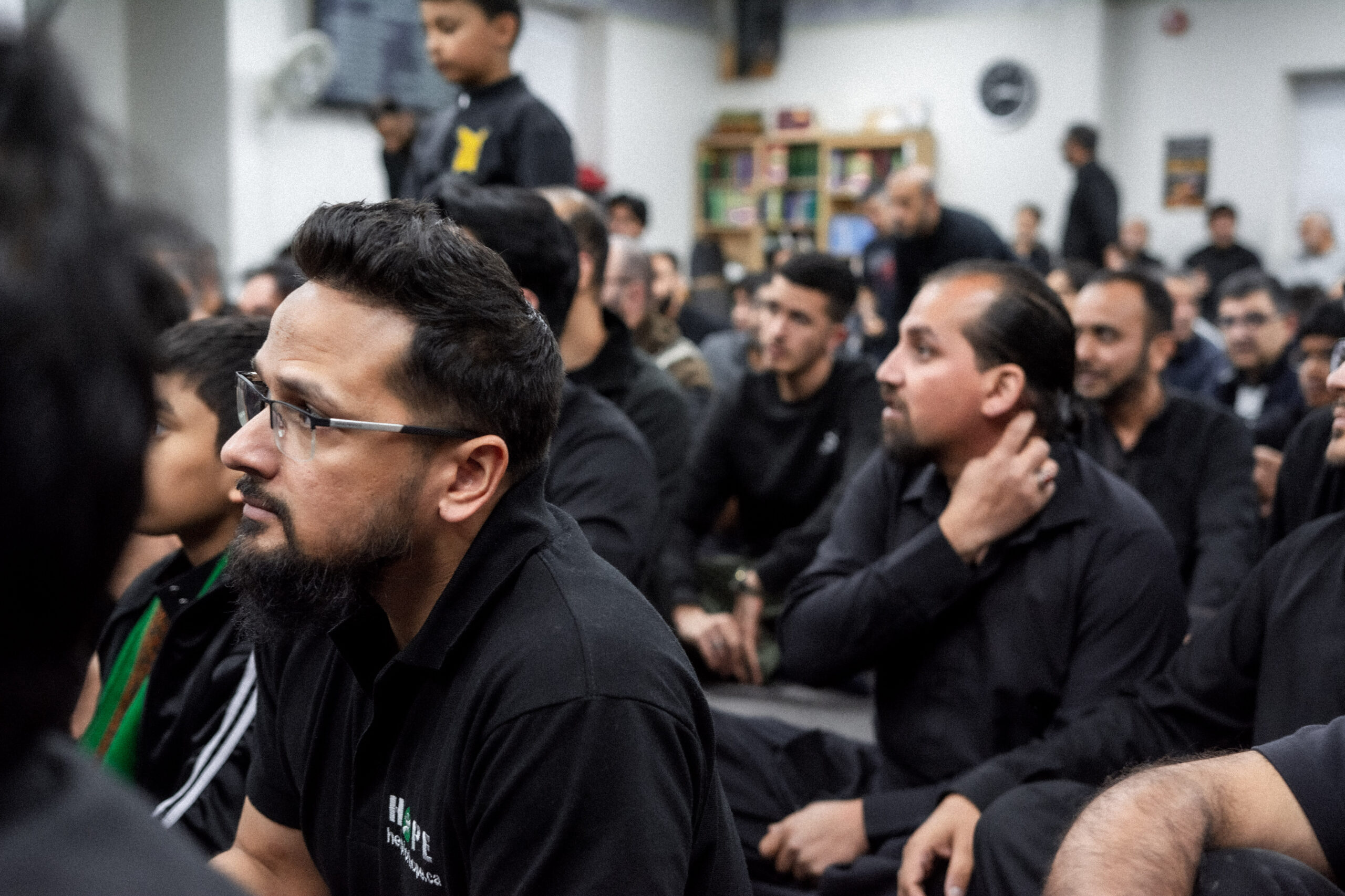
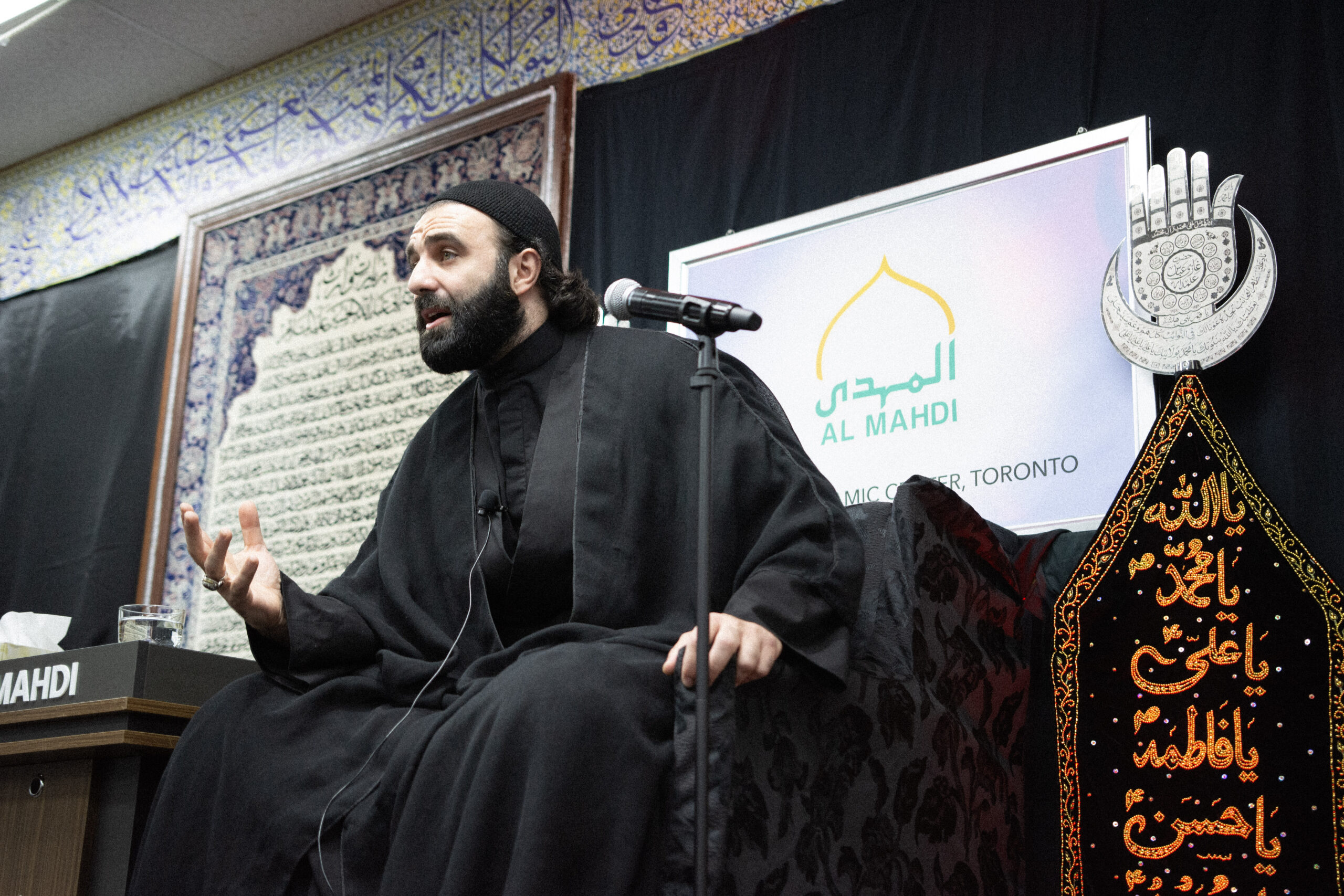
Some gatherings feel different the moment you walk in. That was the message Sayyid Kamber Hussain opened with on the first night of our Fatimiyya series: this isn’t an ordinary get-together. It’s a gathering in the name of  the Ahlul Bayt, one that Imam al-Mahdi (A.S) loves, and a rare chance to sit at the door of the Prophet’s beloved daughter and ask for something. Many people will walk to Karbala for Imam Hussain, he noted, but far fewer come forward to proudly honor Lady Fatima (as). So we should be among those who do, not out of division, but because she belongs to everyone who loves the Prophet.

From there, he set out the arc of the three nights: how Allah’s sunan (divine processes) shape the world, and how to read events through that divine lens instead of only the material one. The anchor was the seventh verse from Surah Muhammad: “if you help Allah, He will help you and make your feet firm”. But Allah doesn’t need our help, so what does it mean? His answer was practical: helping Allah means helping His cause, and the cause lives in the believers around us. Before we claim closeness to the Imams, we have to look at how we treat our spouses, our parents, our children, and the brother stranded on the highway at midnight. The vertical relationship with the Ahlul Bayt is real, but it can’t skip the horizontal one. In his words, you can’t push 100 kilos if you haven’t done the 50. He pointed to serving through education, through a phone call, through showing up, and warned that hurting a believer is no small thing.

The second night turned to a question many of us quietly carry: if we’re on the path of truth, why do the trials keep coming? His answer was to stop being outcome-focused. Our job is to bring everything we have to the table, effort, skills, sincerity, and leave the result to Allah. Don’t wait until you’re perfect to start, he urged; if you fall, get back up, because Shaytan’s favorite whisper is “why bother going back?” He drew on the story of Talut and Jalut, a small, outmatched group tested and filtered along the way, and on Uhud, where setbacks came but the promise stood. He pointed to the steadfastness of the people of Lebanon, Iran, Iraq, and Yemen as living echoes of Karbala: they may not see the final victory, but they keep doing their part. And he offered a line worth remembering: don’t judge the whole book by the chapter you’re in right now.

On the third night, he moved to a harder subject: recognizing our enemies, but properly. Naming them and shouting isn’t enough, and neither is reacting to pure emotion. Lady Fatima and Imam Ali (as) were not passive, yet they acted with wisdom and patience because they were protecting Islam itself, not winning a moment. His examples were vivid. A provocateur who stages a confrontation for the cameras wants your outrage, so give him none. The Quranic formula of rejecting false authority and affirming Allah has to be held together, with no lopsided focus on either side. And “false deities” can be subtle, like the car, the brand, or the status that starts steering our behavior. He cautioned against the two extremes: those who identify every enemy but neglect their own prayer, and those who pray but never understand the world around them.

He then outlined how adversaries work: mixing truth with falsehood in the media, spreading corrosive ideas into our communities, and above all fueling division amongst one another. We split centers over ego, and we trust the outsider’s headline over our own brother’s word. His antidote was to assume the best of fellow believers, disagree without making it personal, trace problems to their roots rather than slapping on plasters, and keep our spiritual armor on. Salah, he said, is the steering wheel: without it, you can’t turn left or right when an obstacle appears. And act with knowledge, because someone traveling in the wrong direction only gets further from the goal the faster they go.

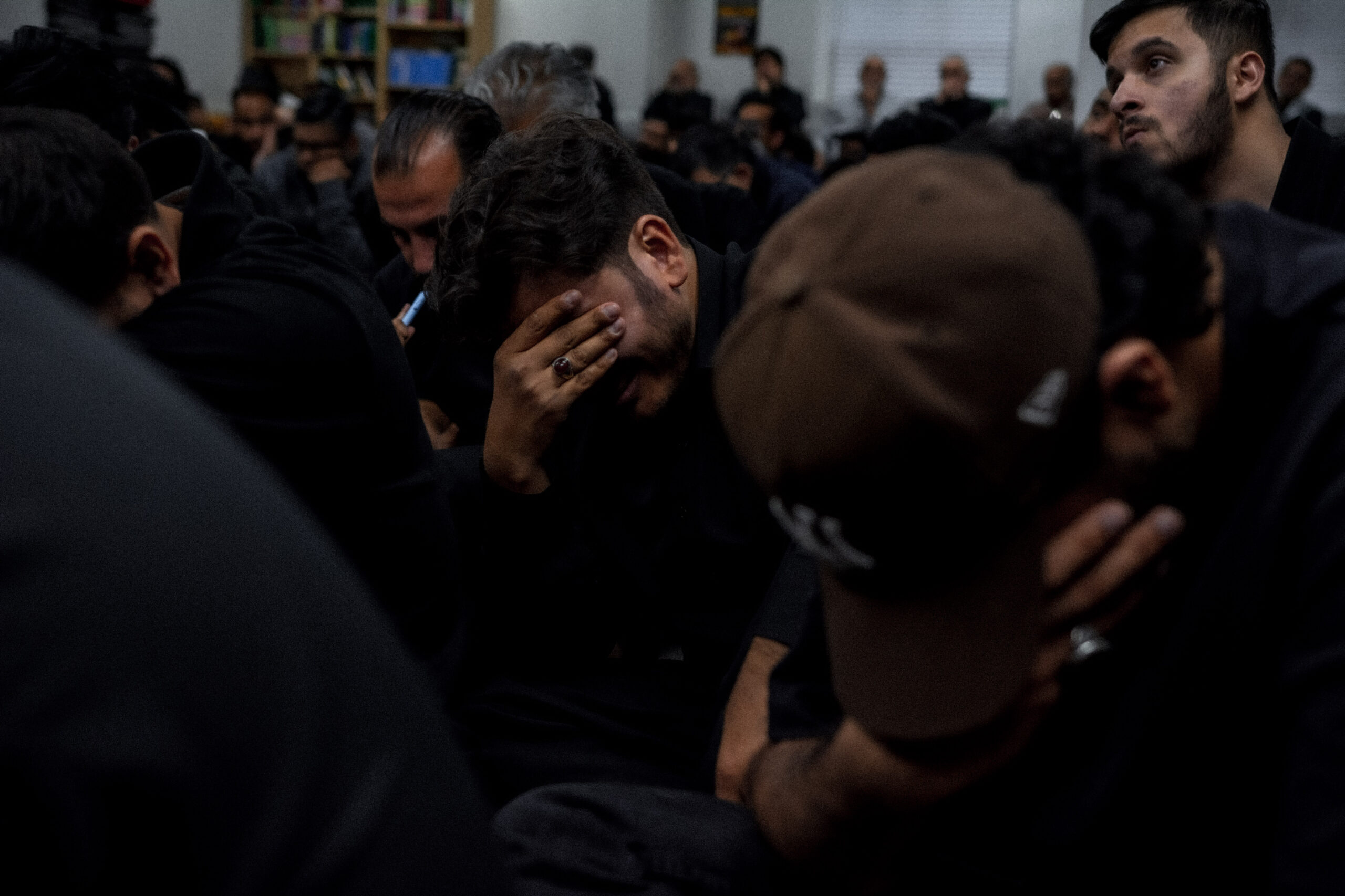
Woven through all three nights was the story of Lady Fatima (as) herself: the Prophet standing to greet her and kissing her hand, the 75 days after his passing, the door, her visits to the Ansar, her youth at just 18, and the unmarked grave that leaves us with nowhere to picture her. He closed with her final days, her wish to be shielded even in burial, Imam Hasan and Imam Hussain’s return to a mother who had left them, and the scene on the Day of Judgment when she asks Allah about her Hussain. The tears, he reminded us, are valuable. But they’re meant to carry us somewhere: to a stronger community, a wiser response, and a deeper connection with her and her Lord.

Striving to be worthy.

510 Third Concession Rd Pickering, ON L1X 2R5

my@cig.ca
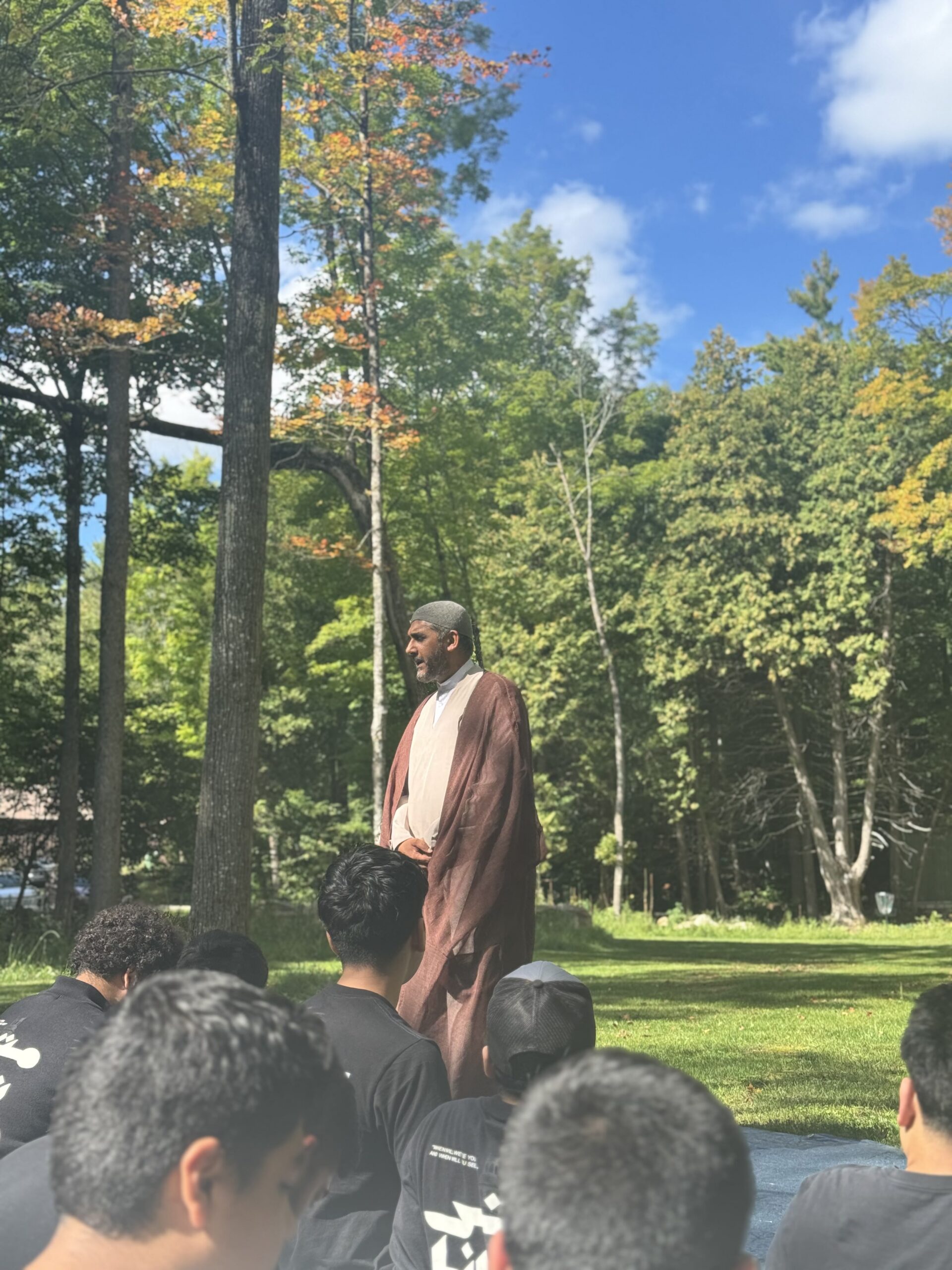
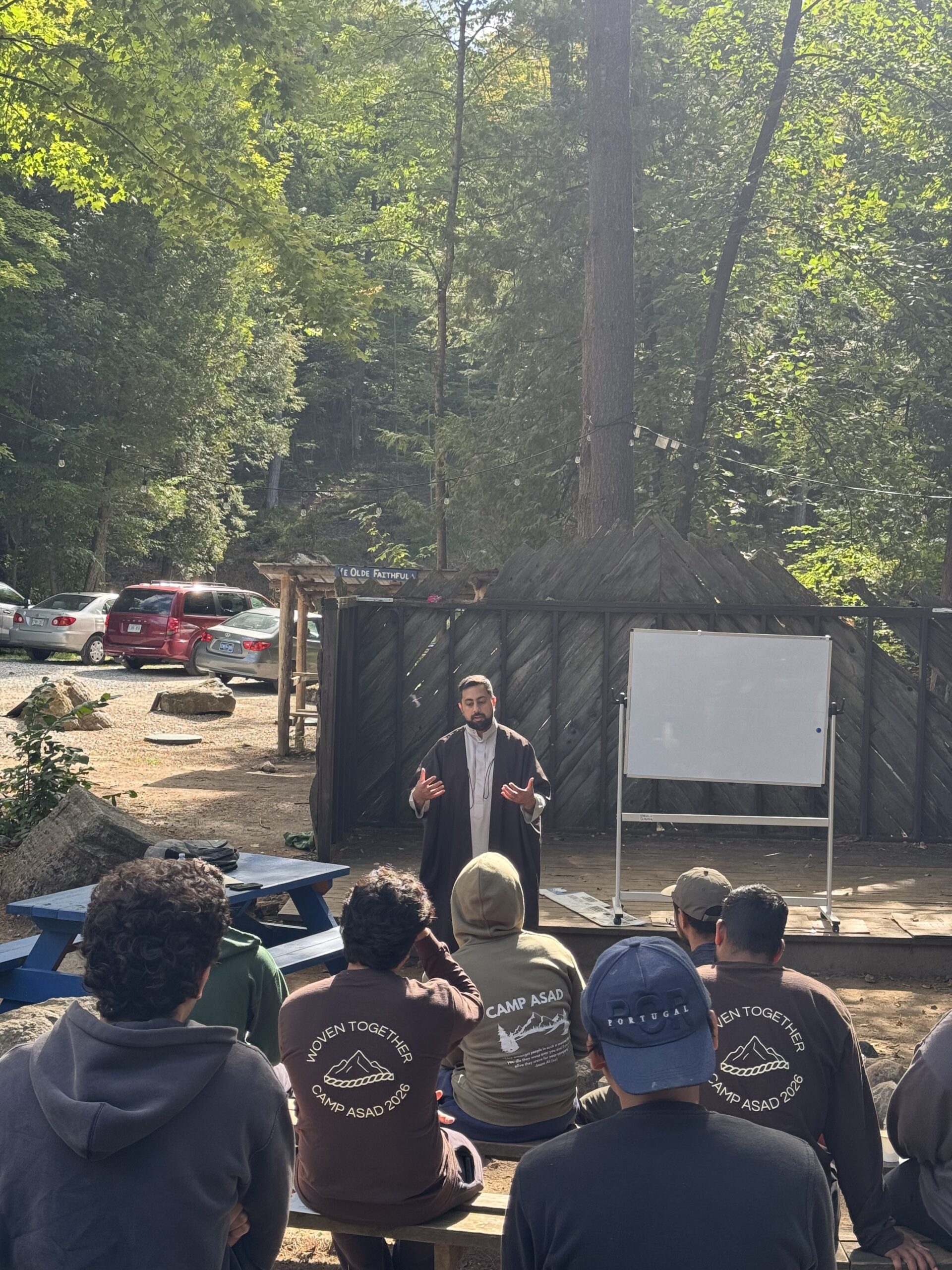
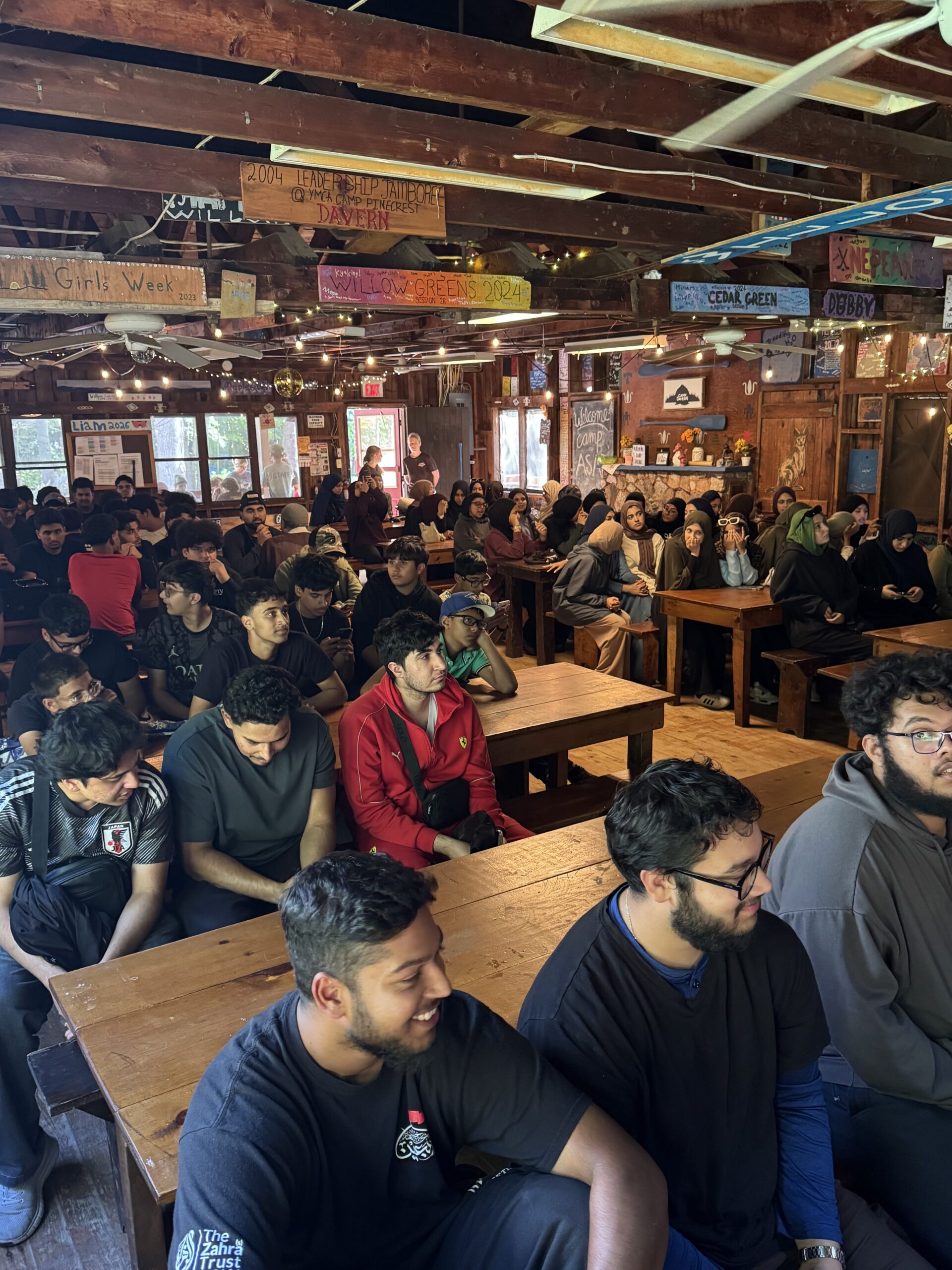
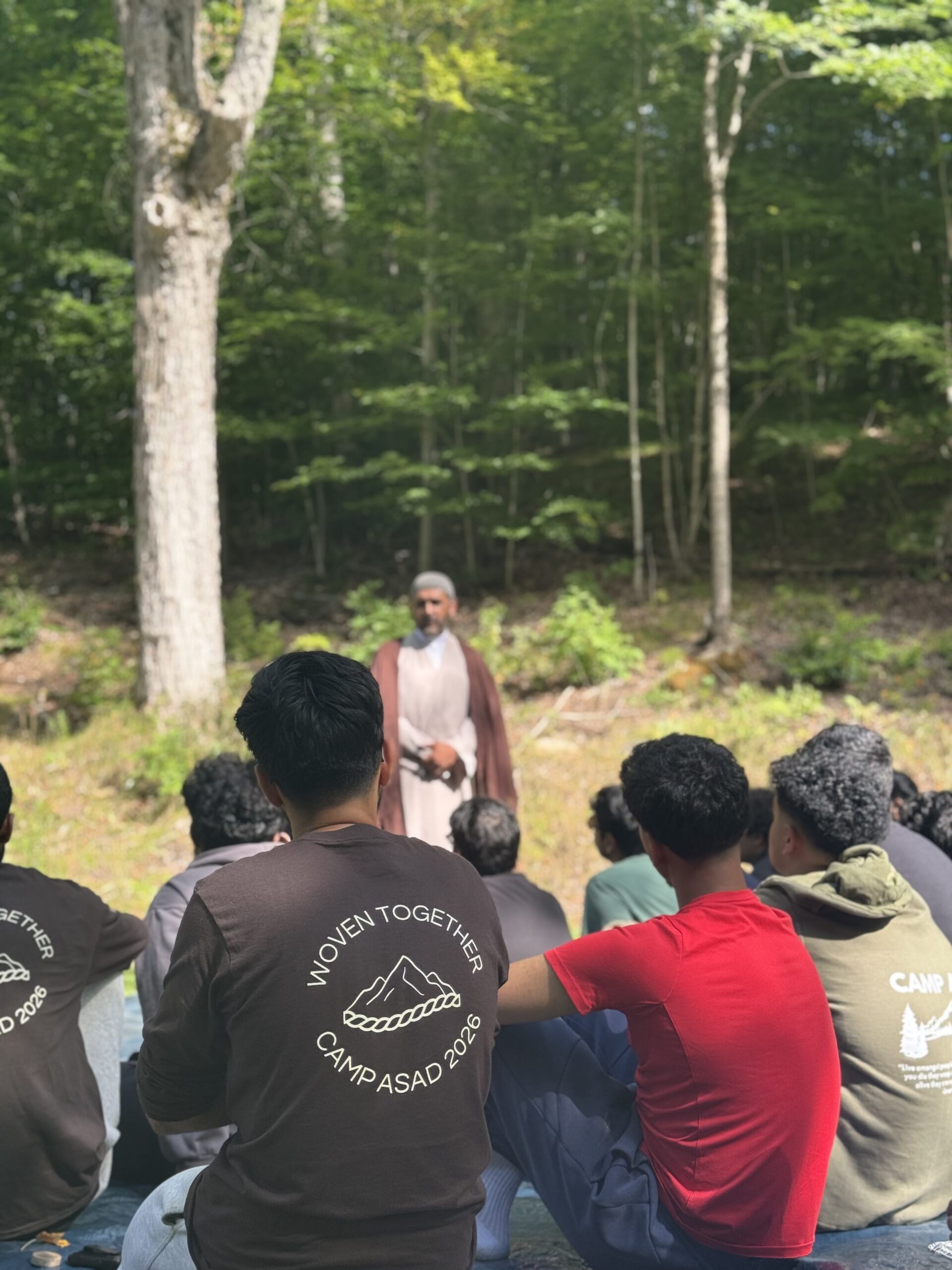
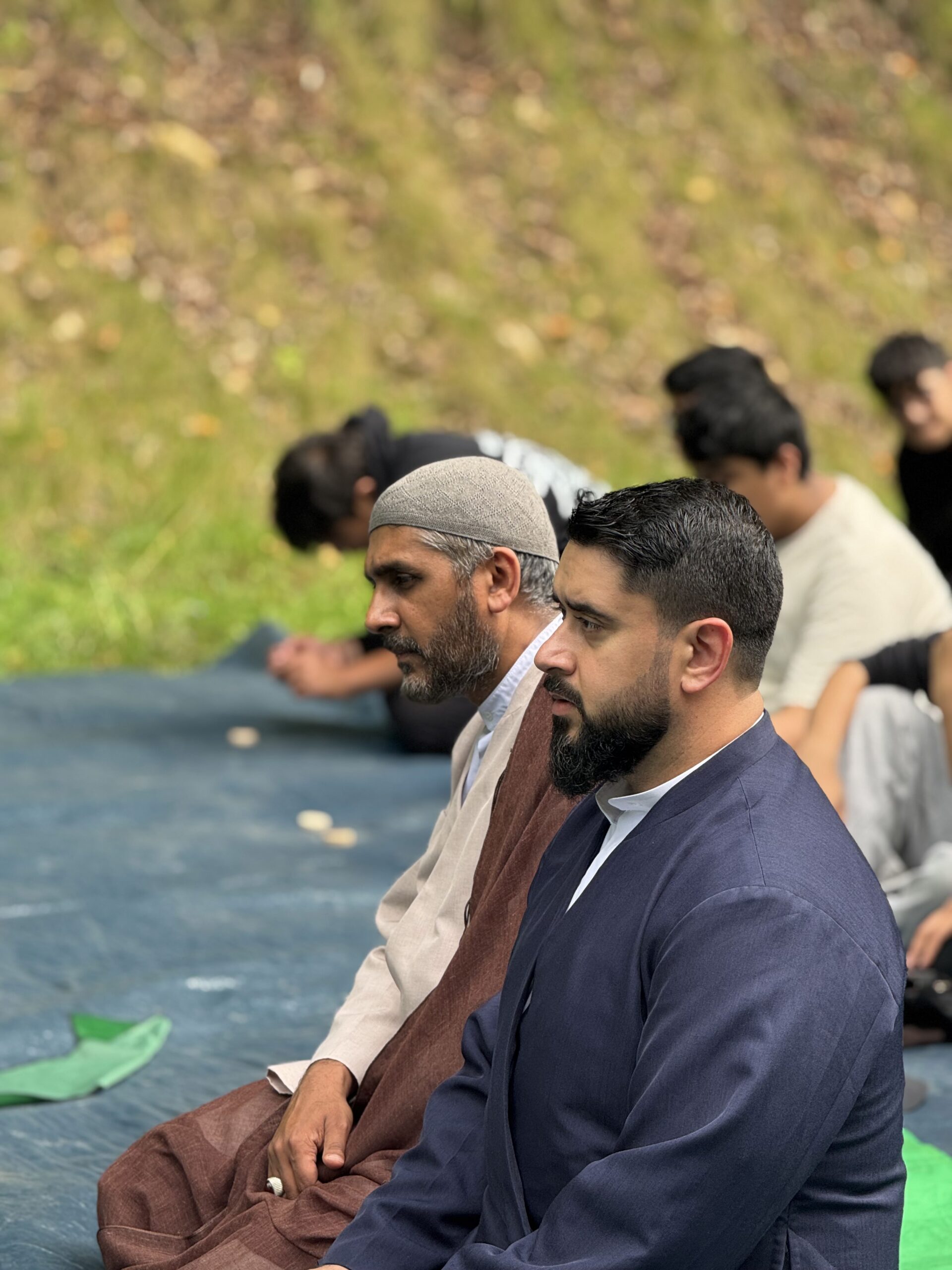
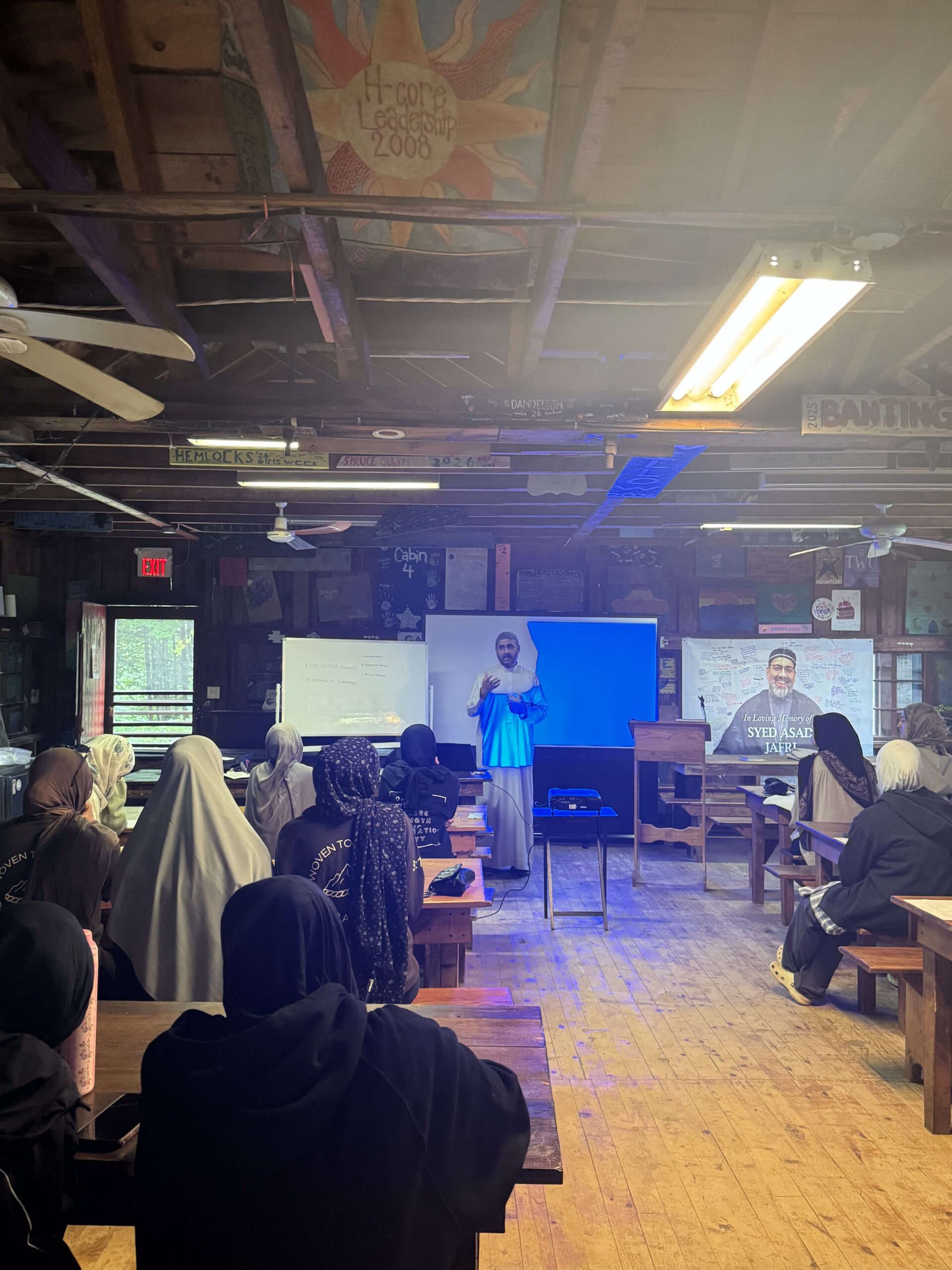
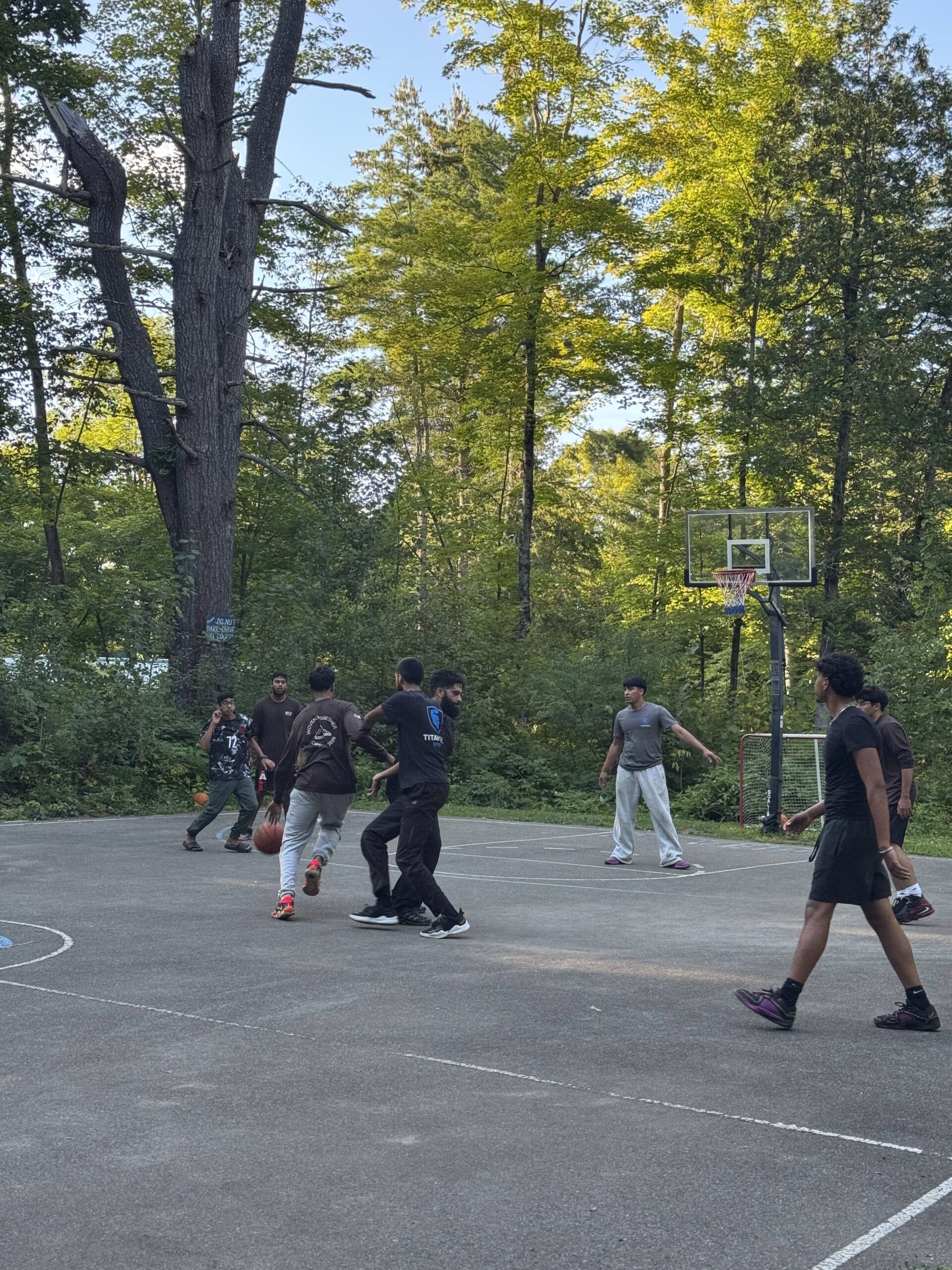
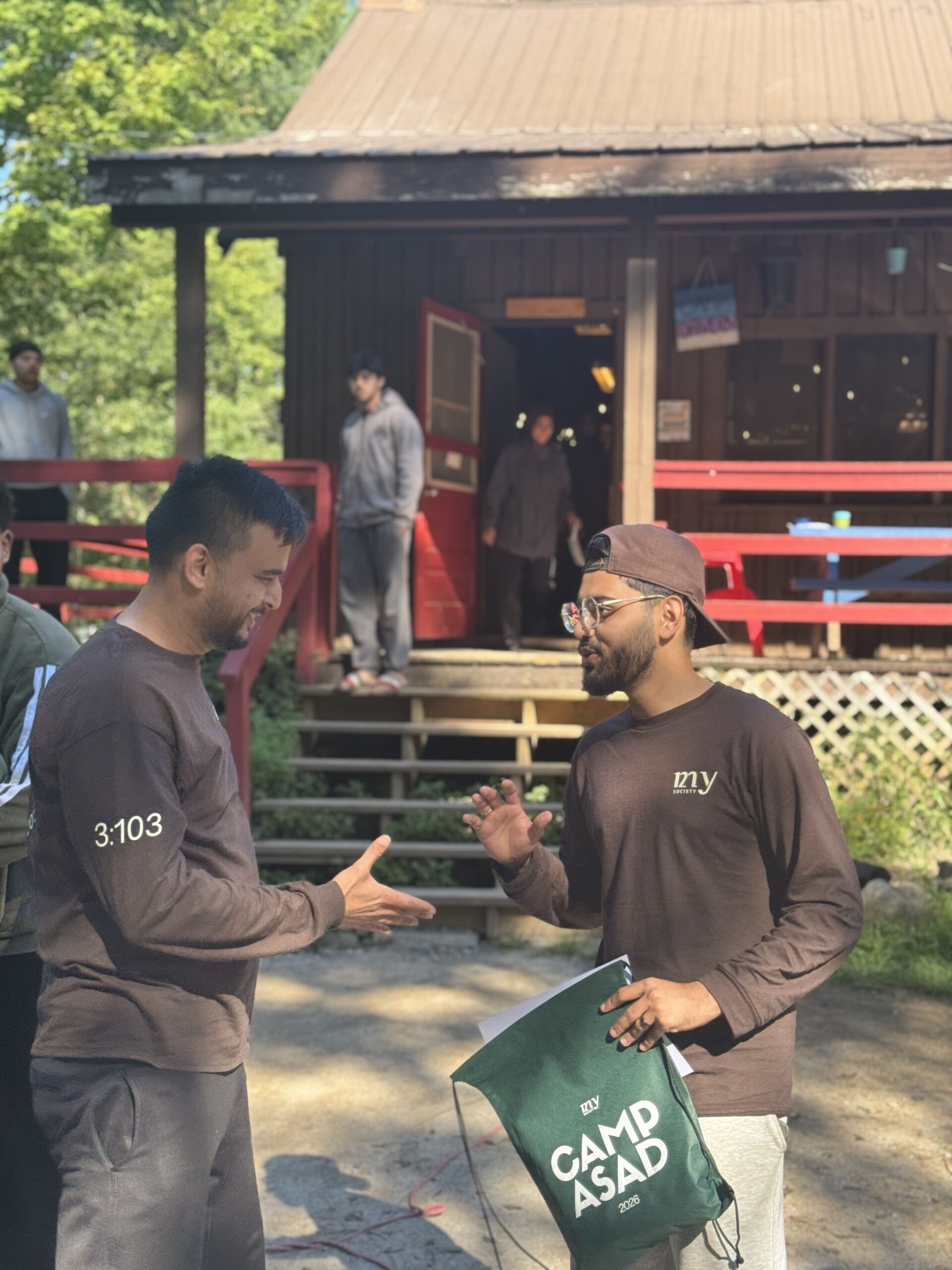
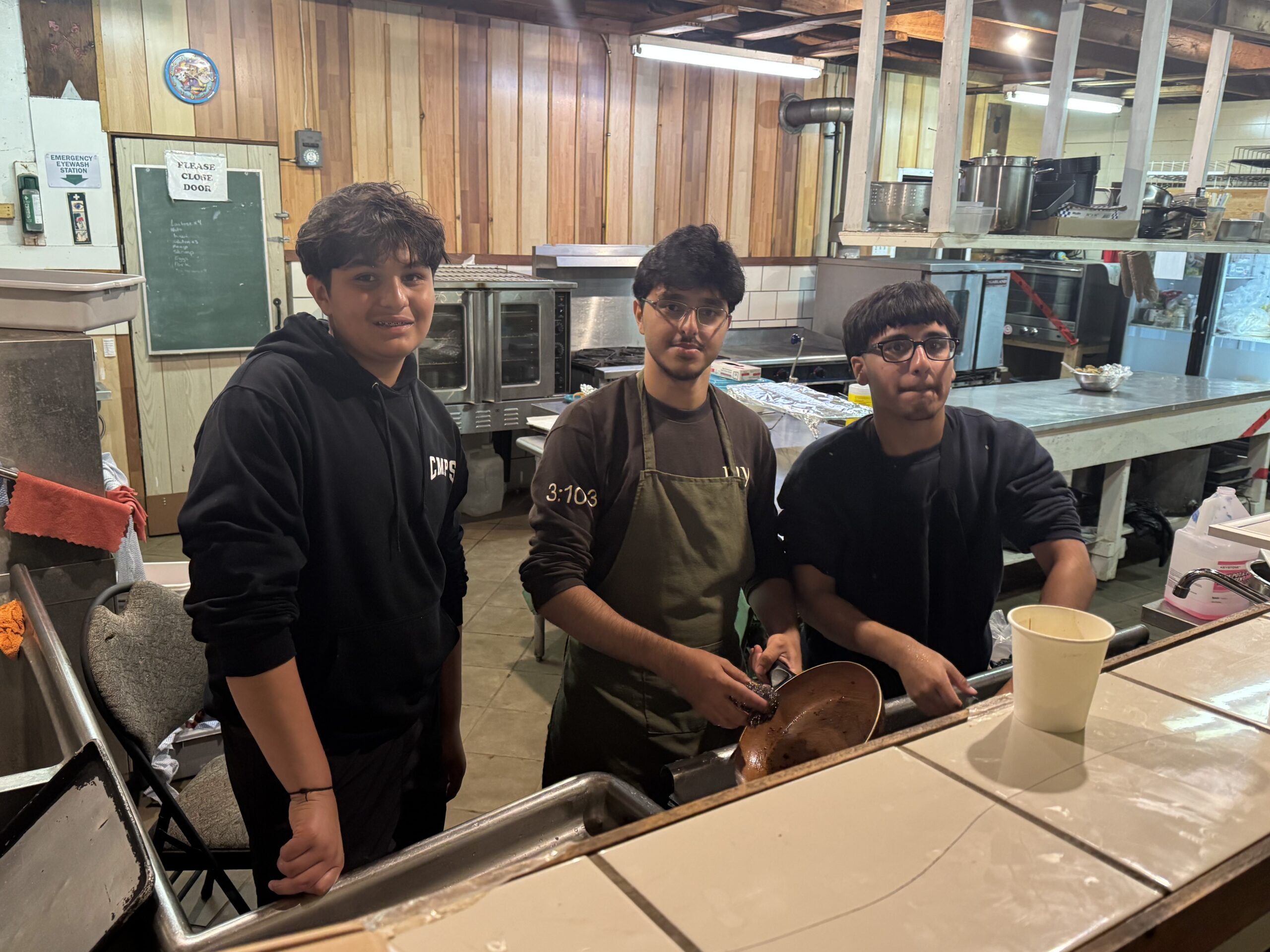
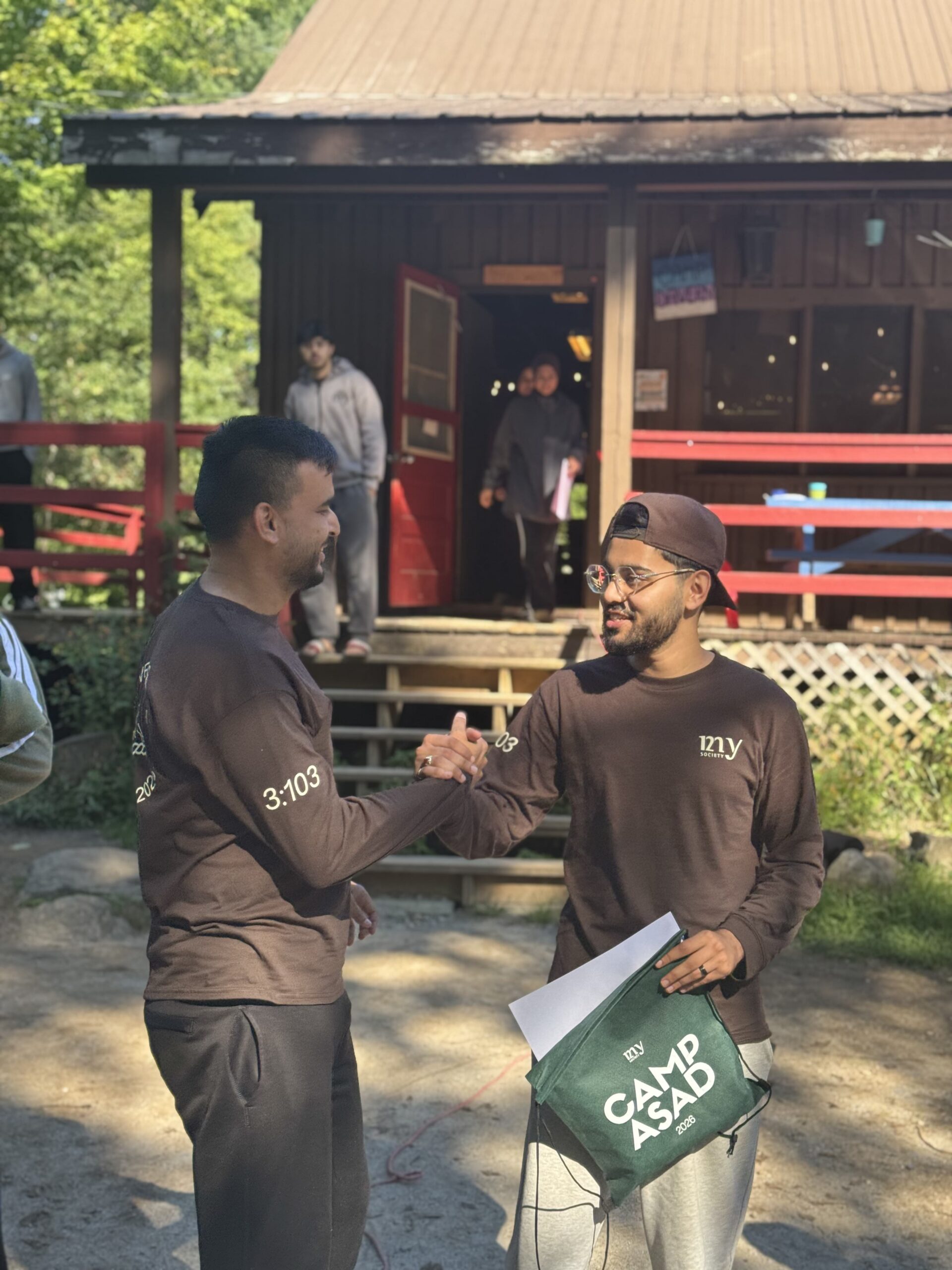
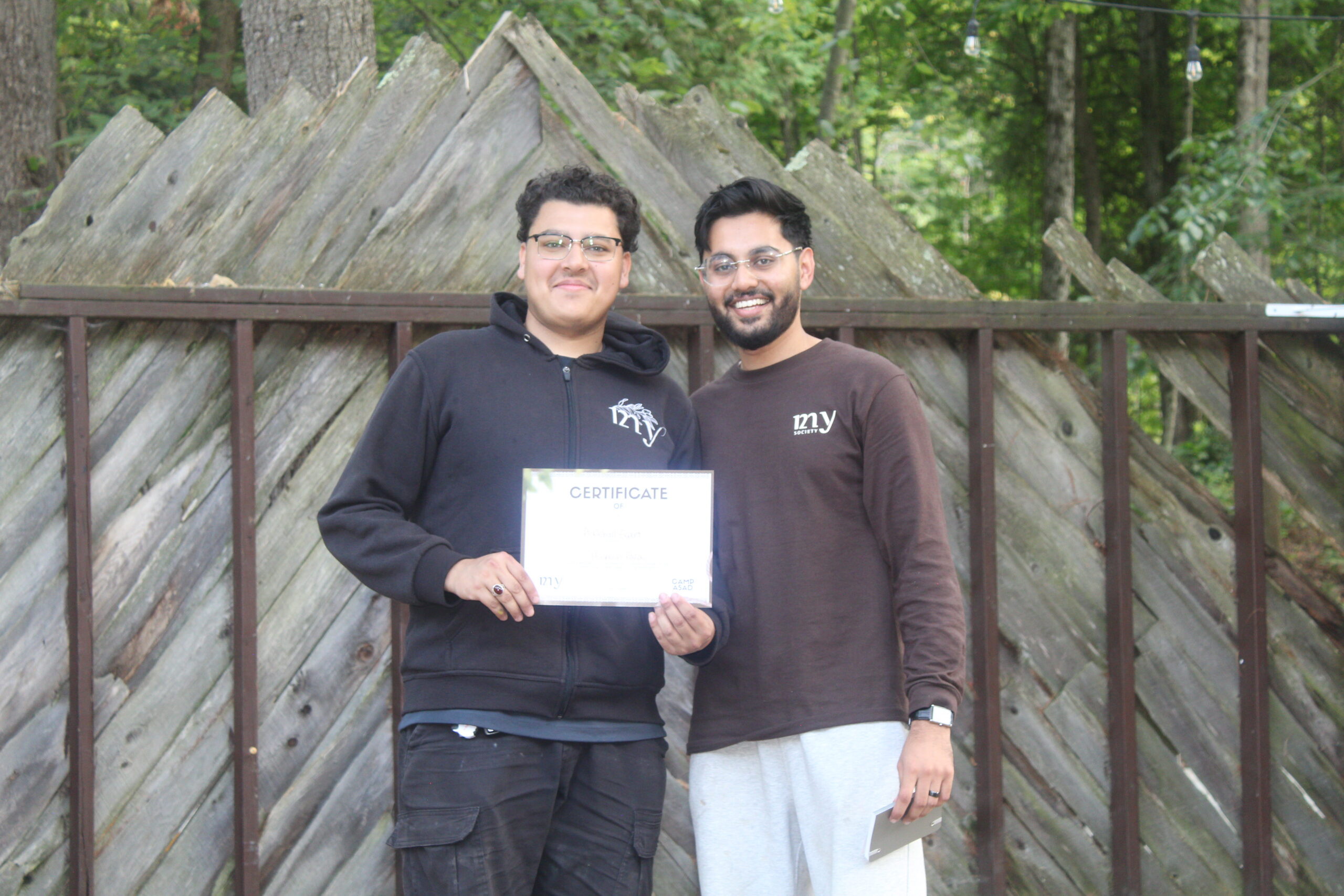
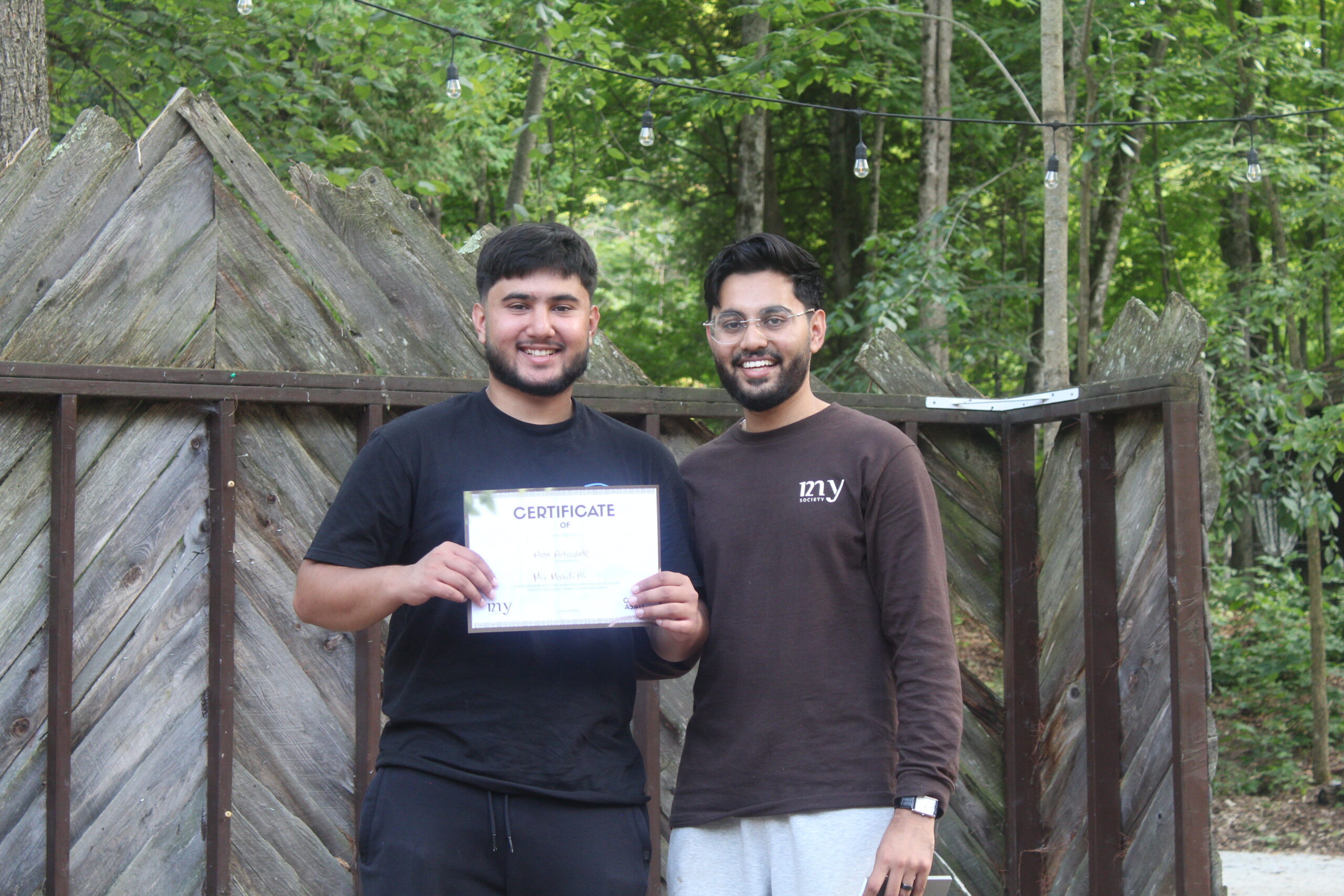
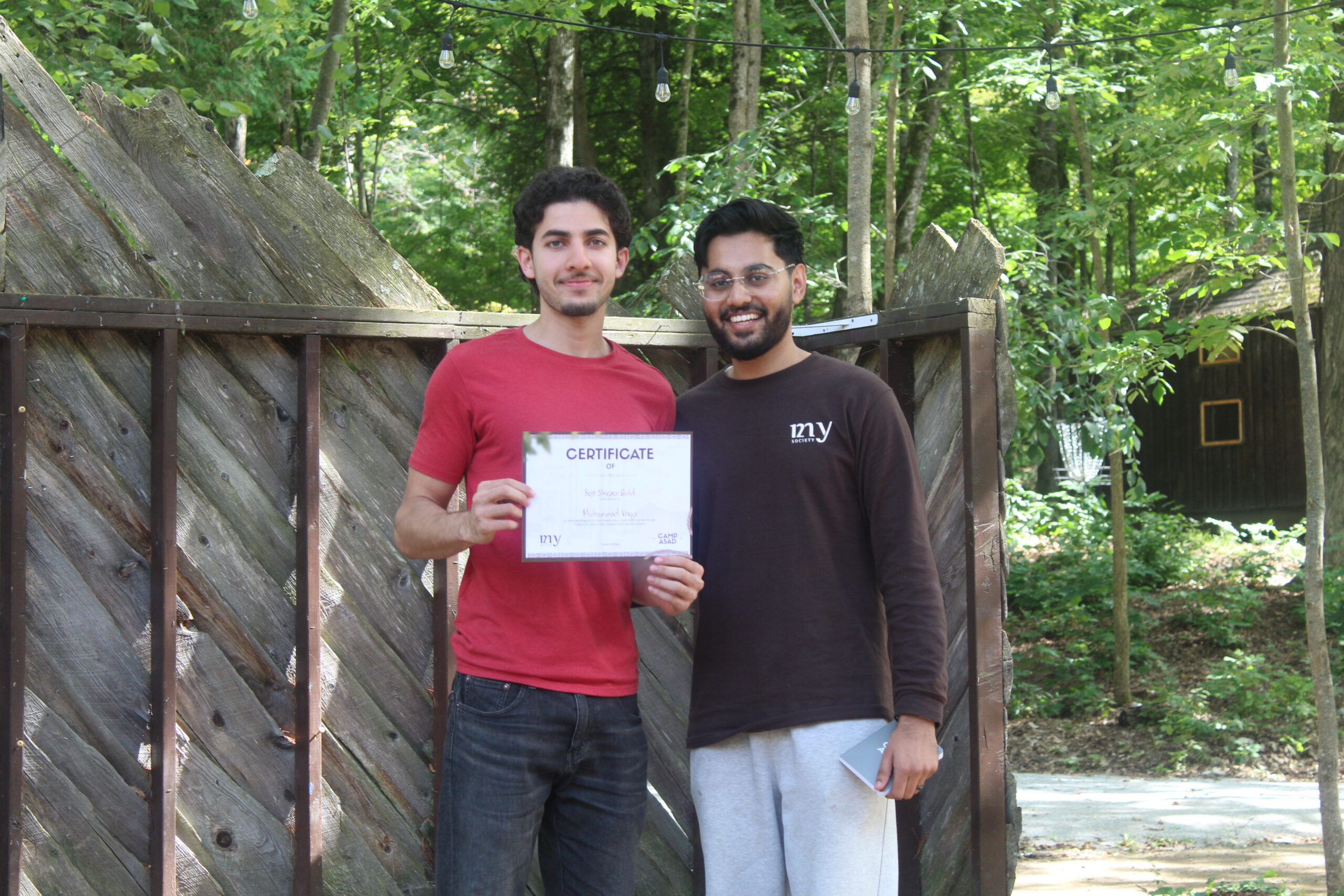
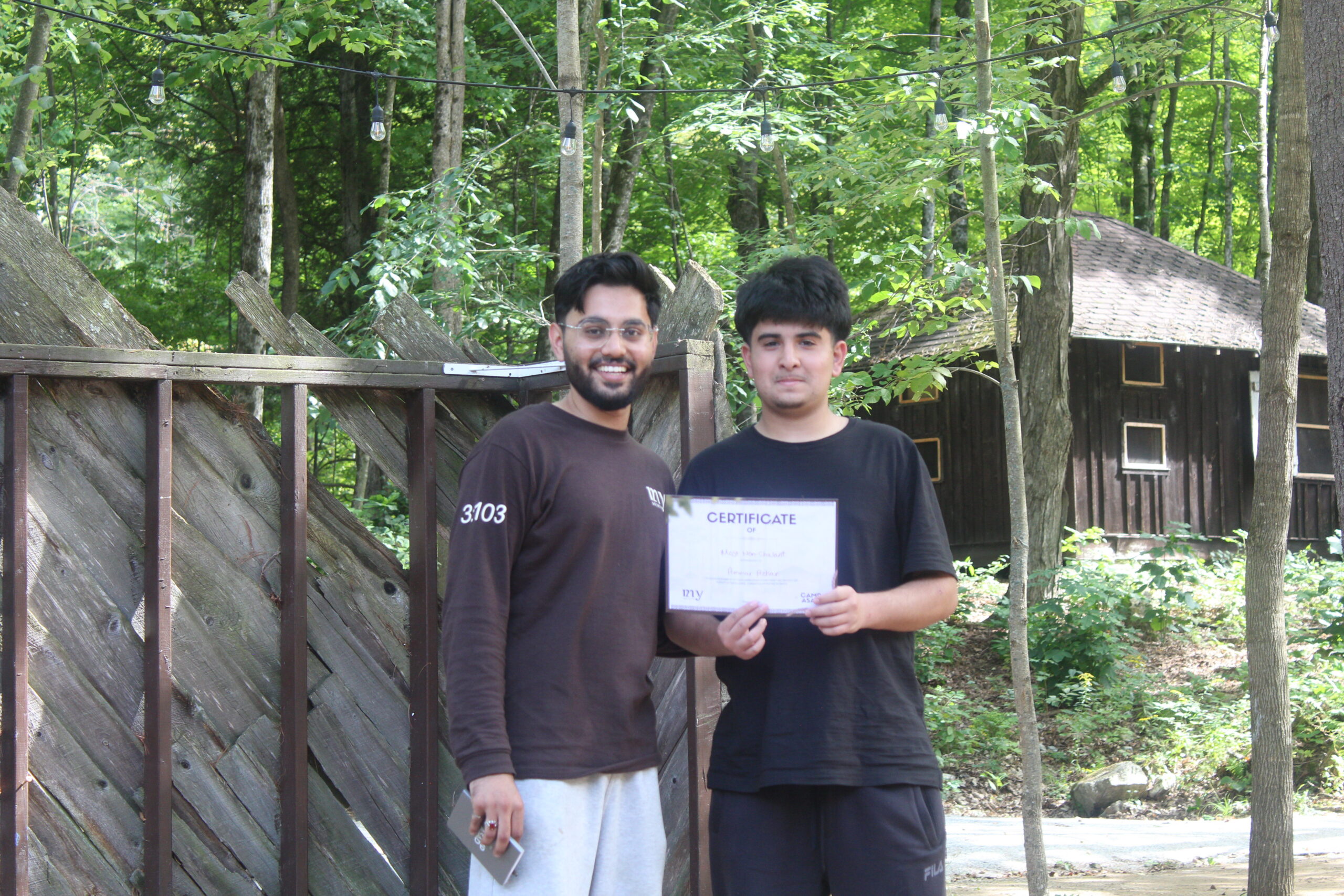
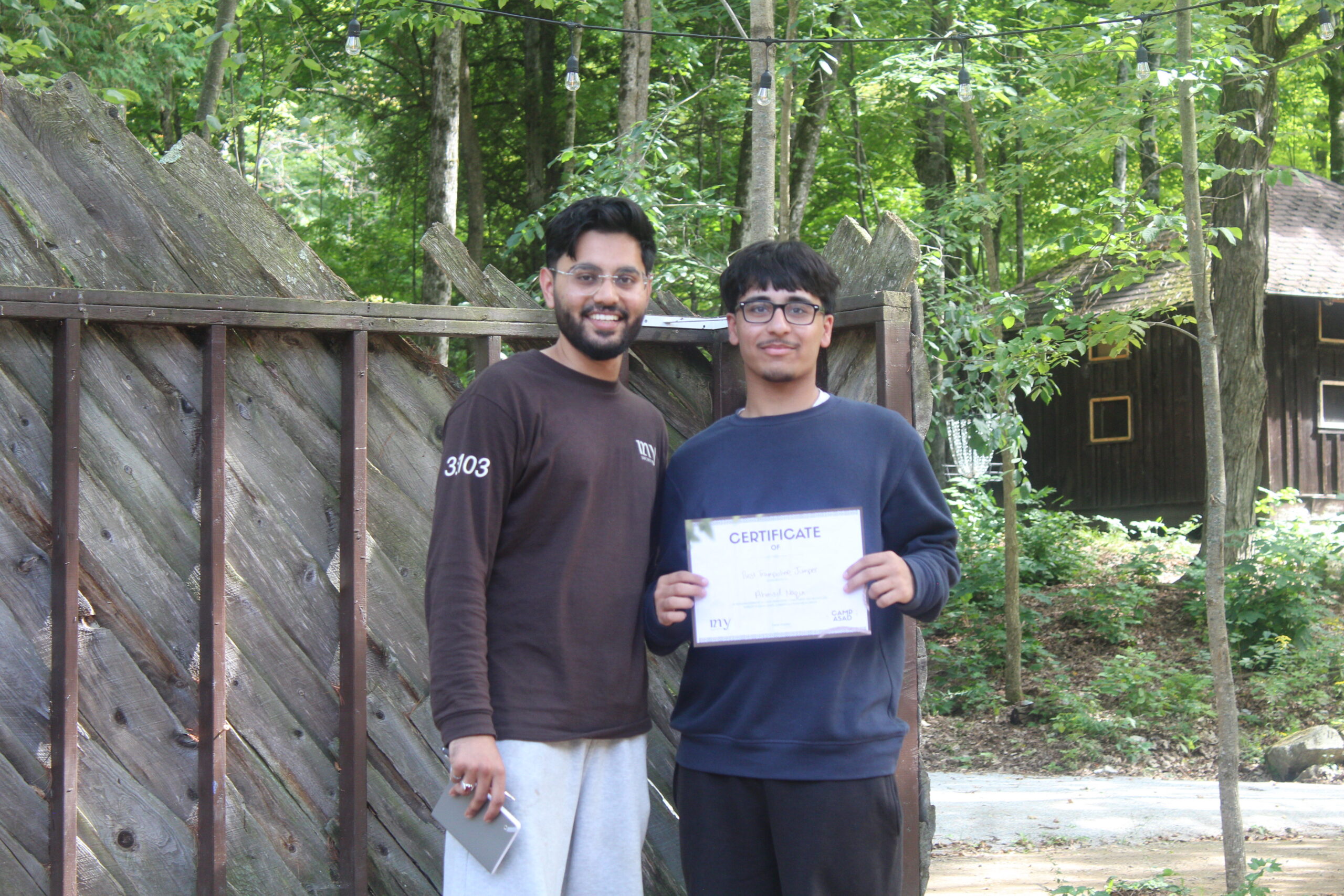
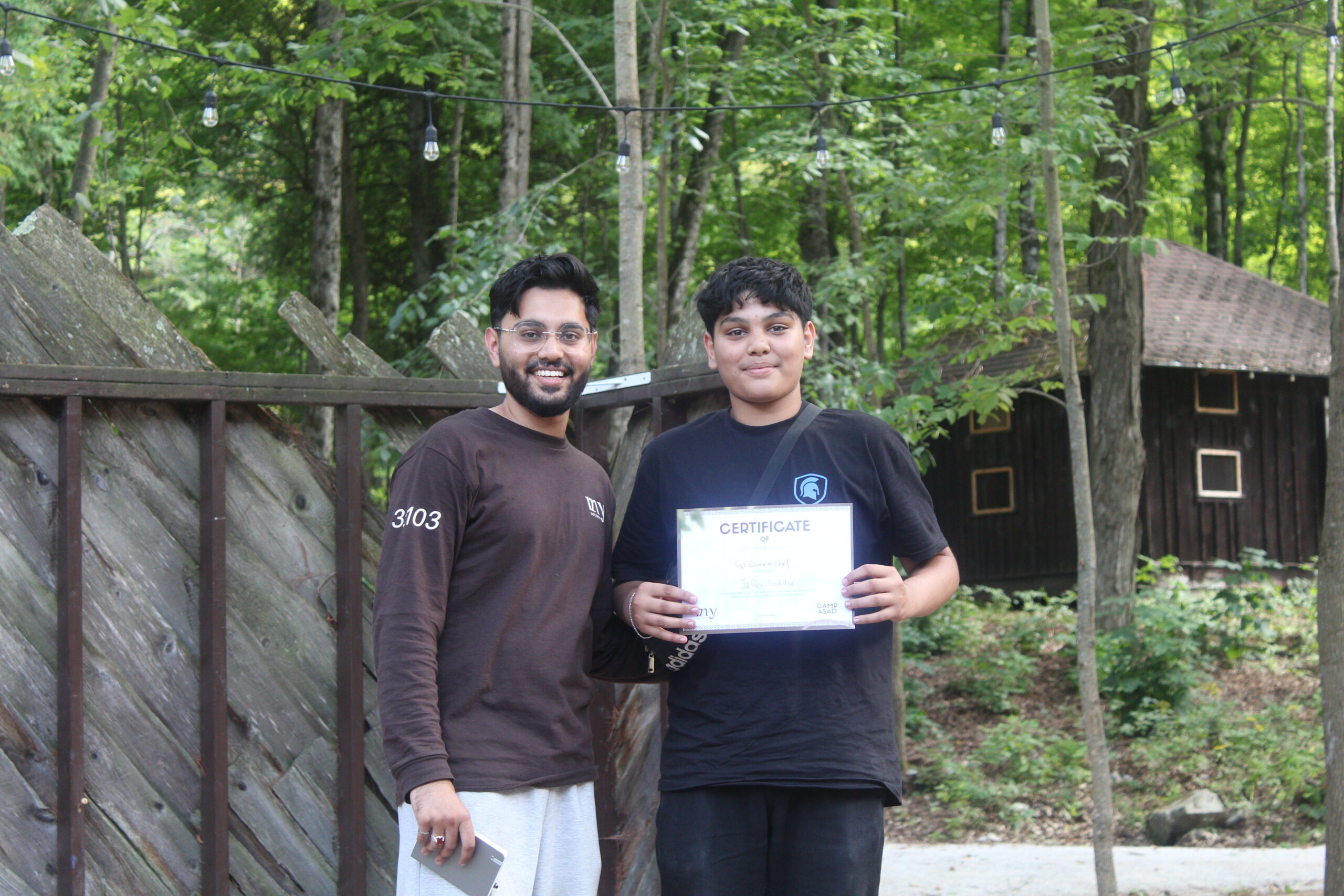
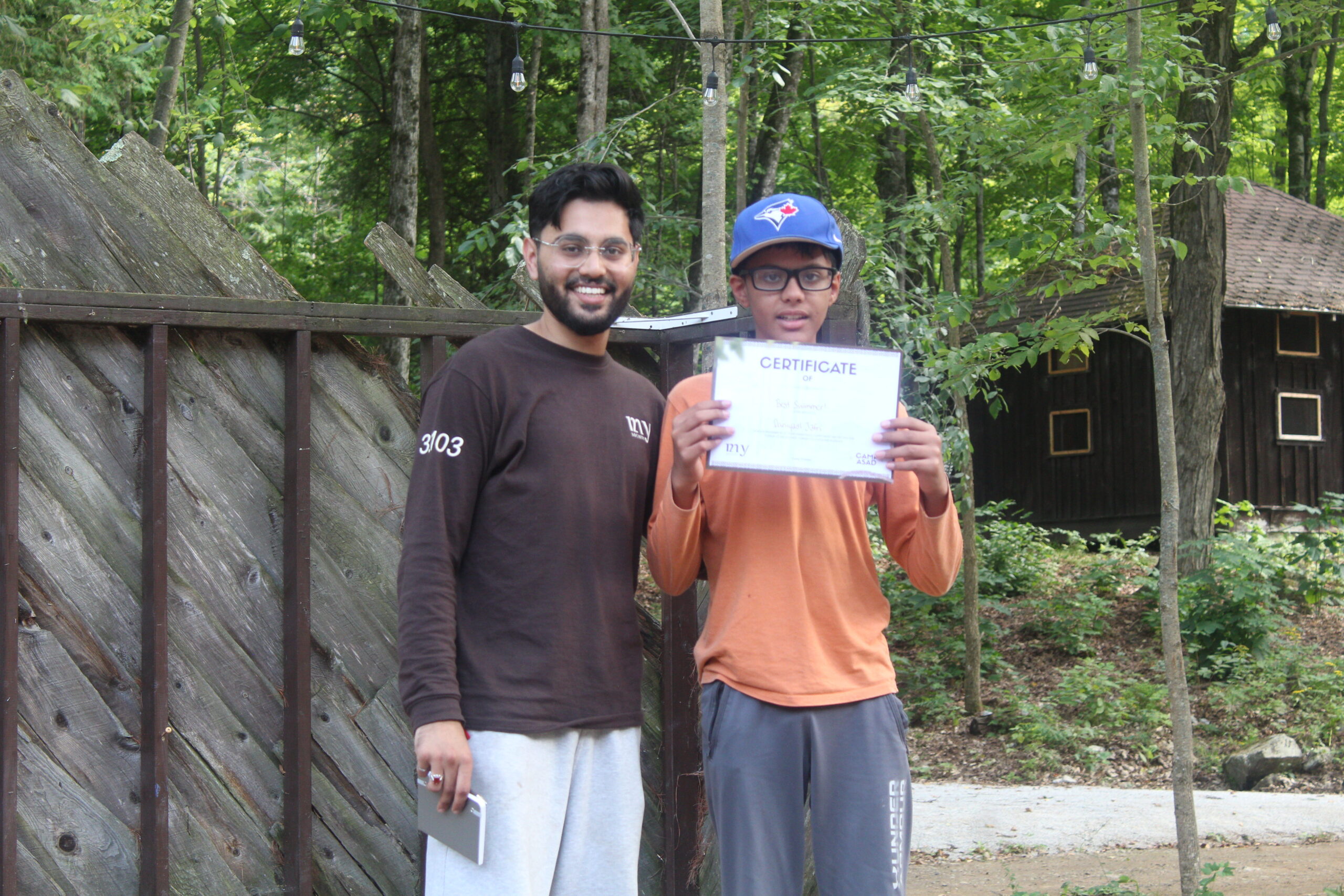
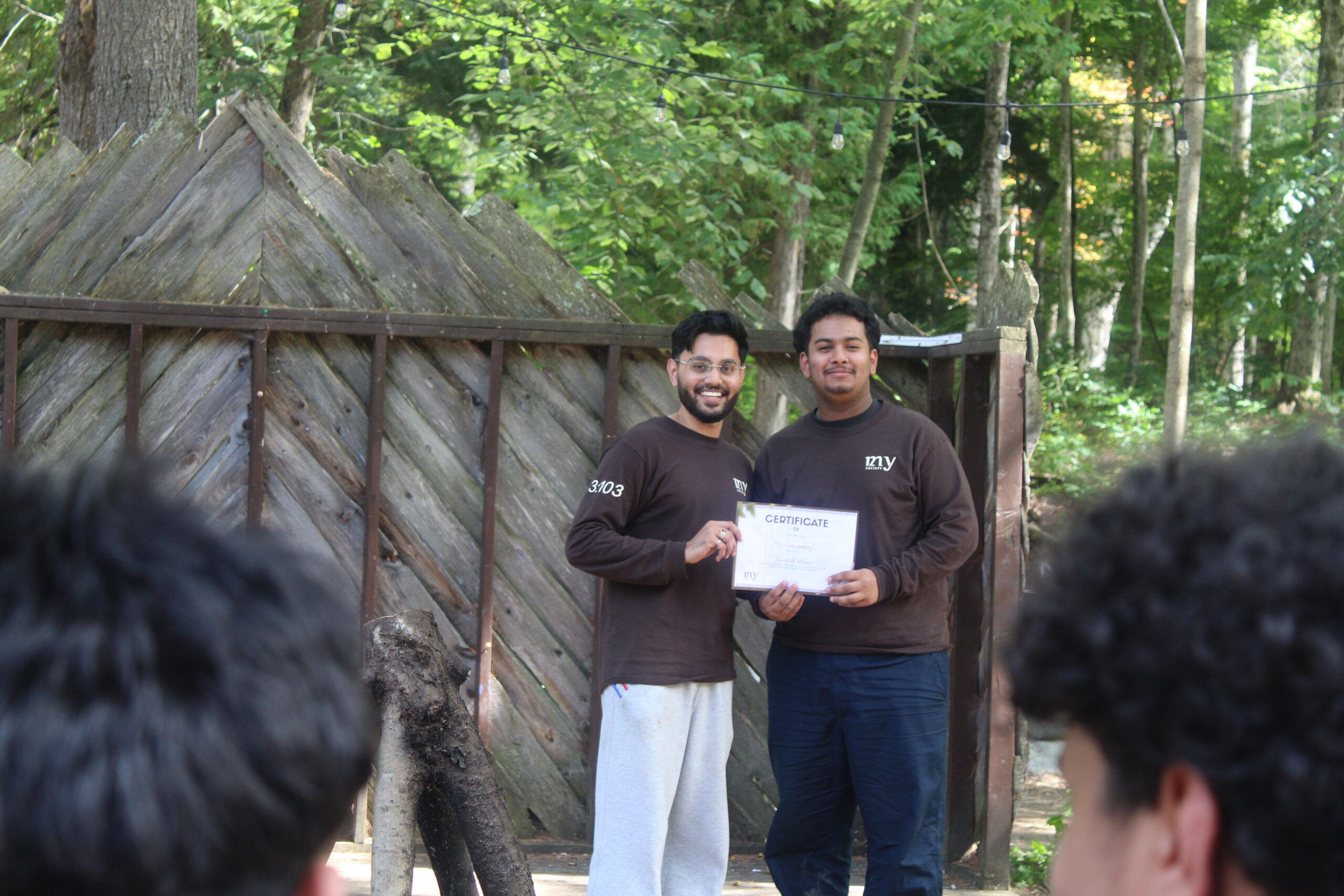
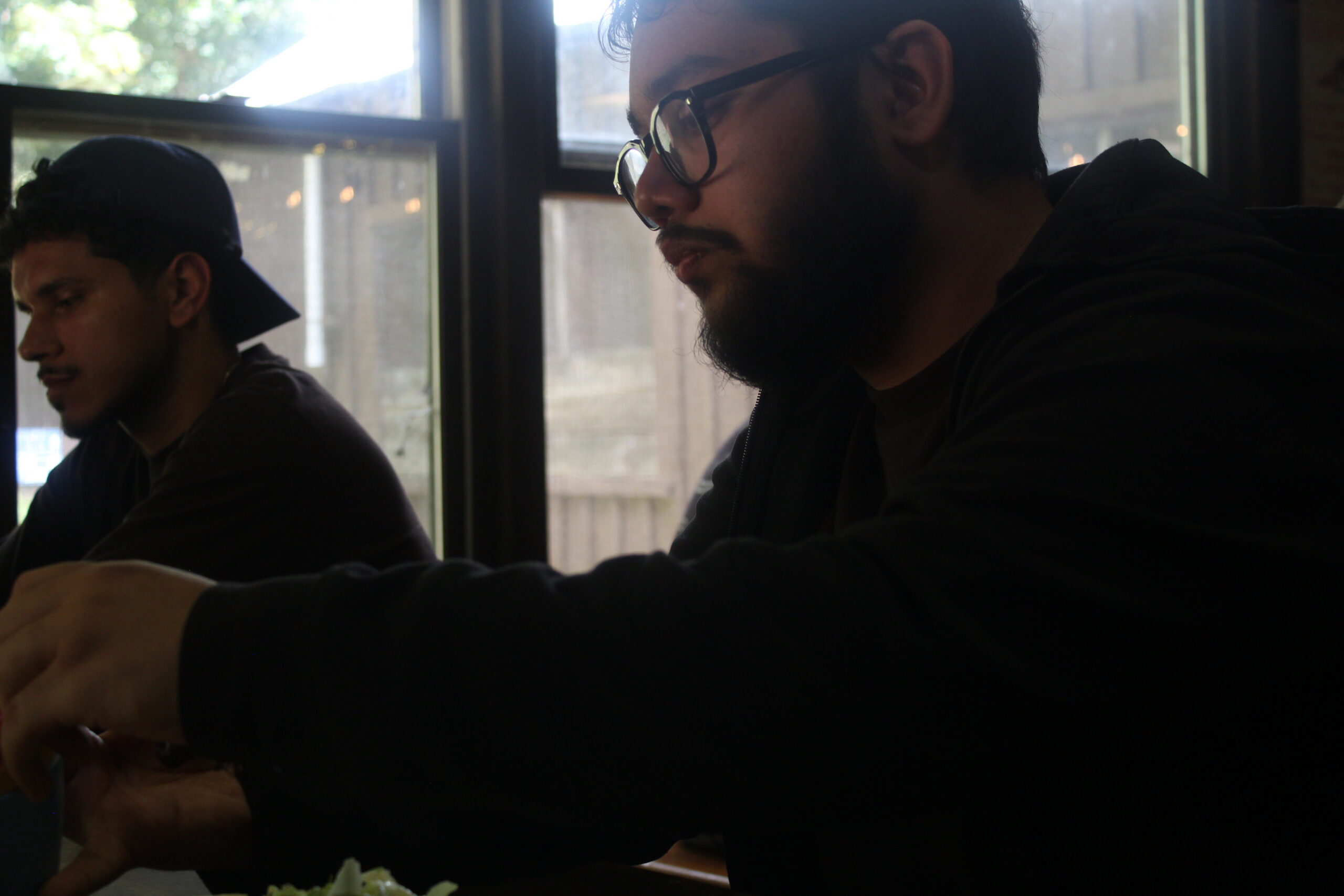
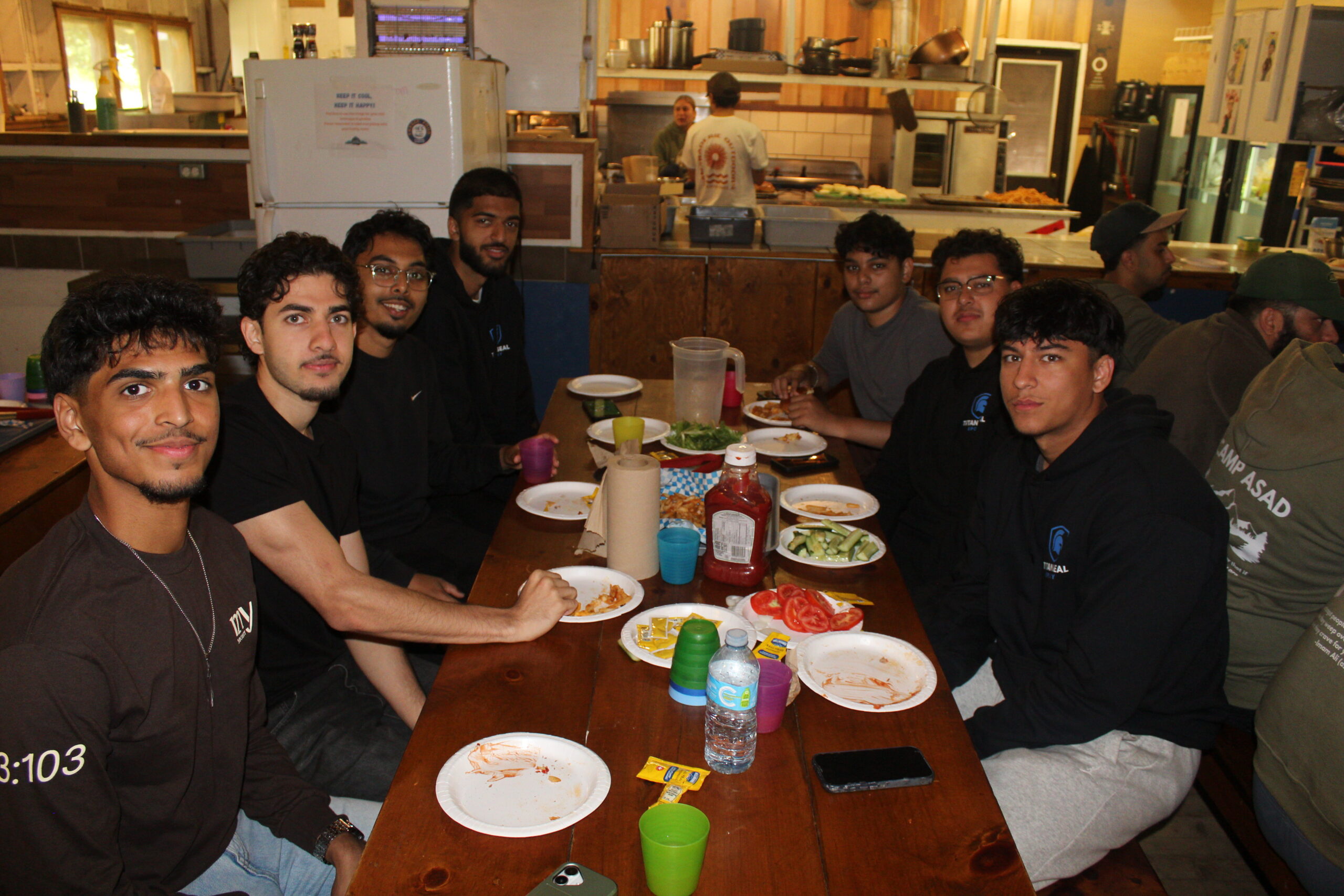
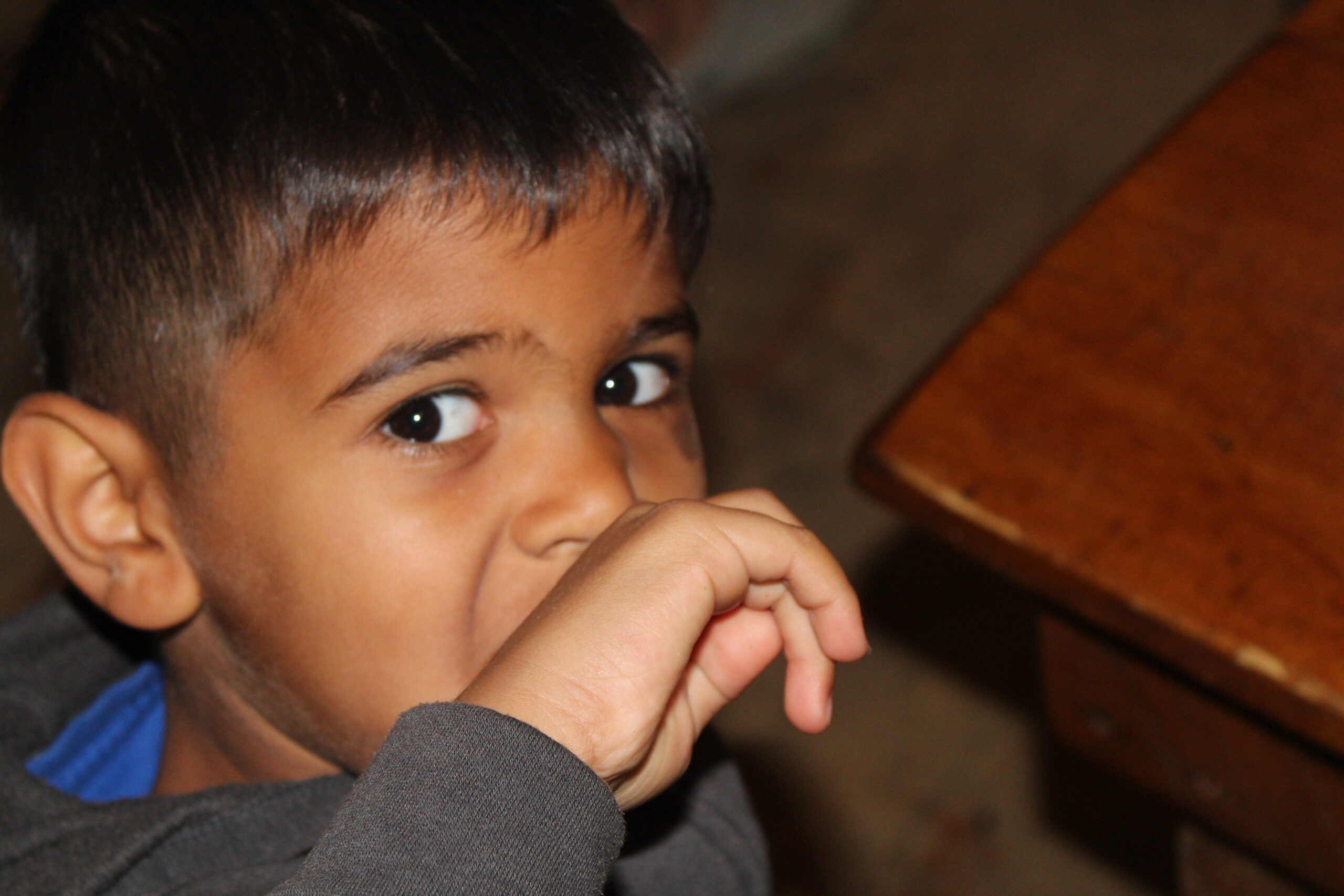
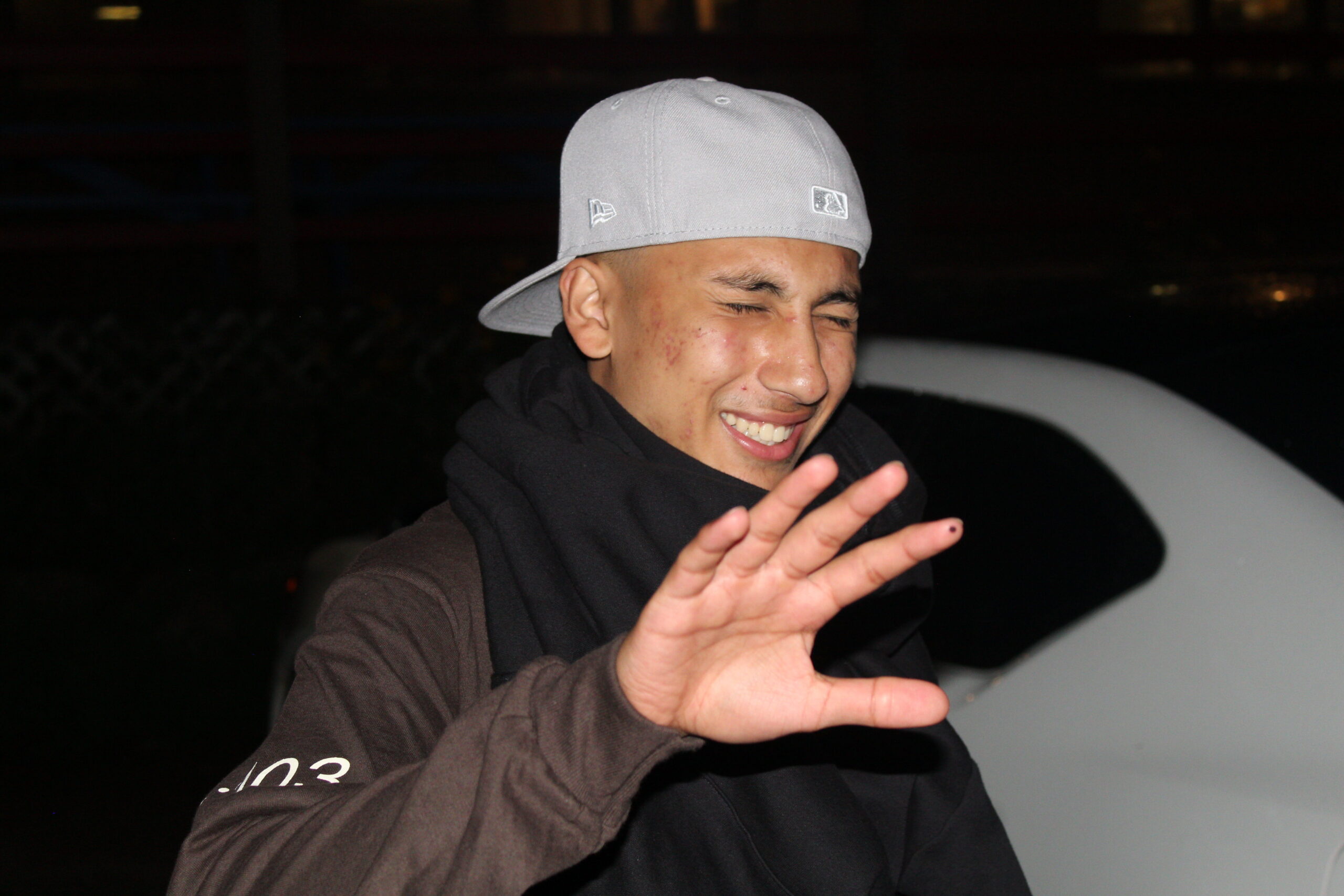
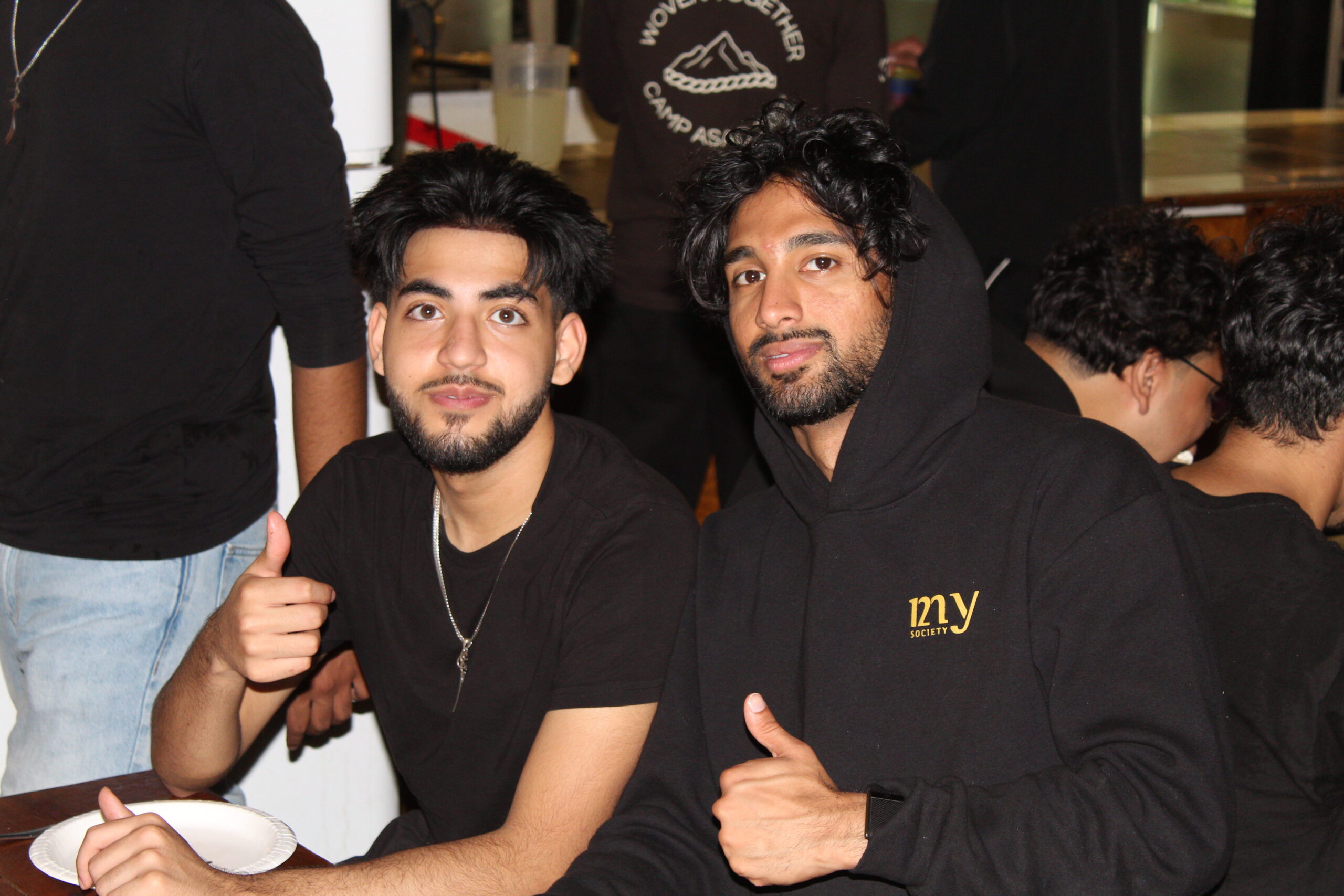
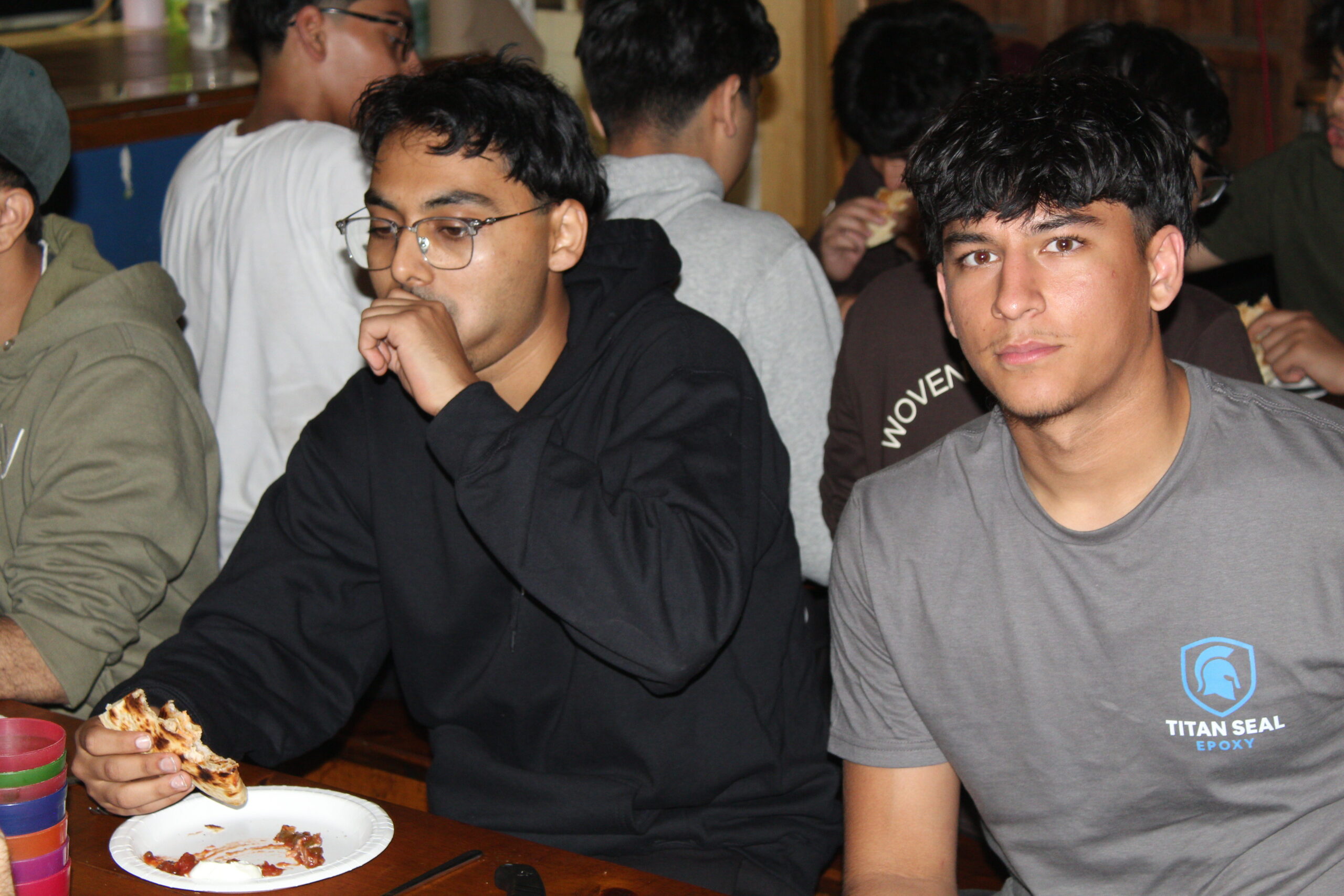
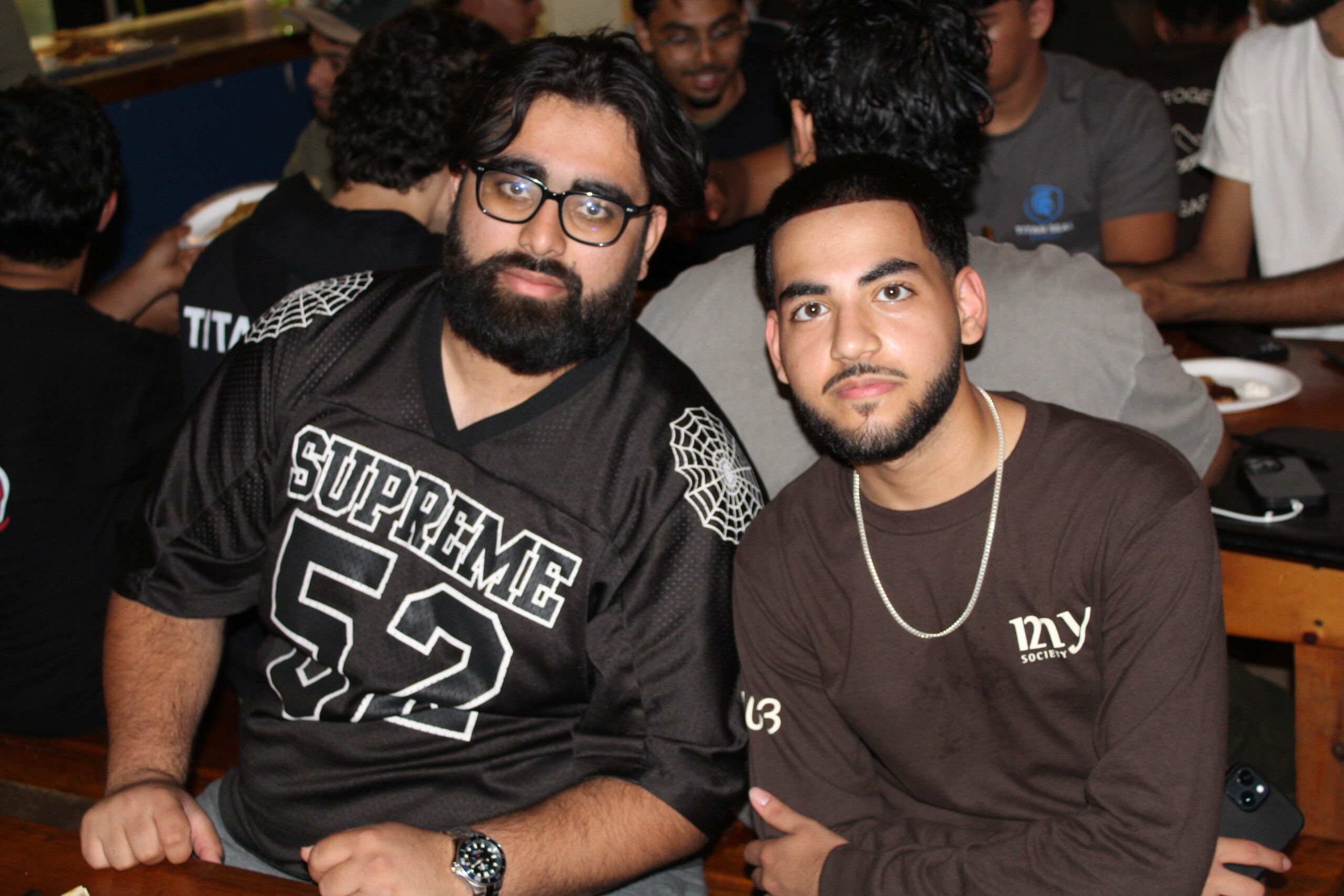
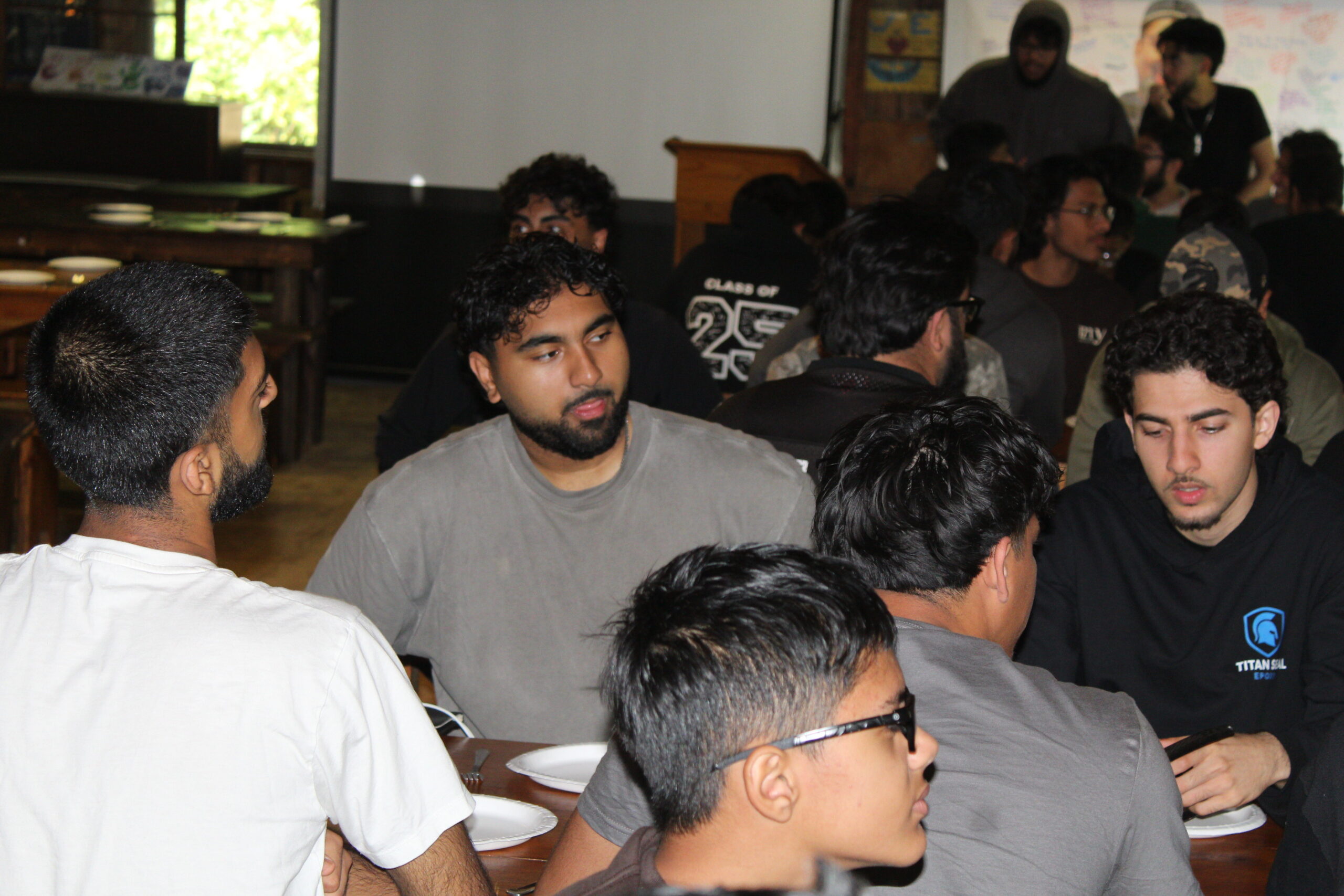
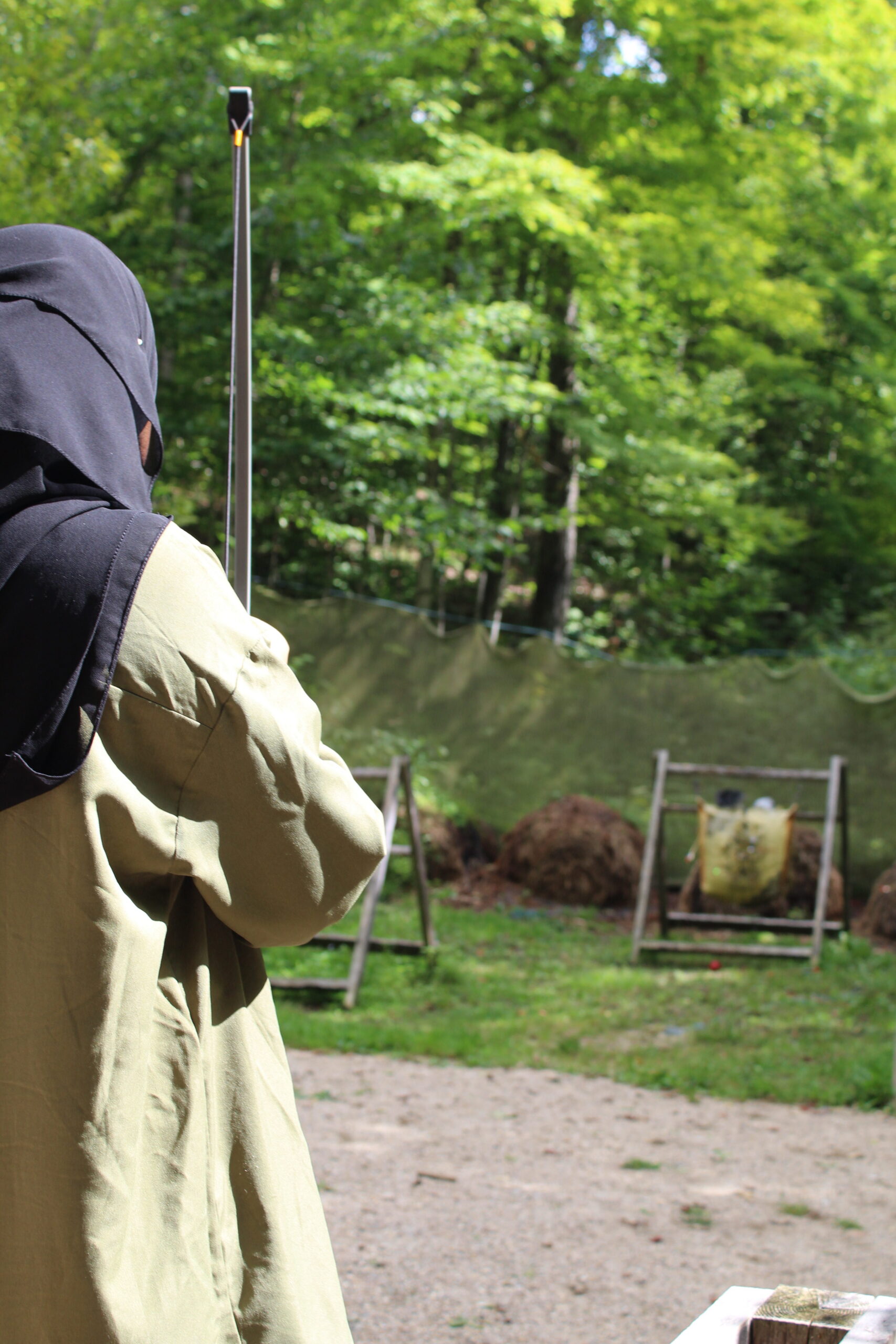
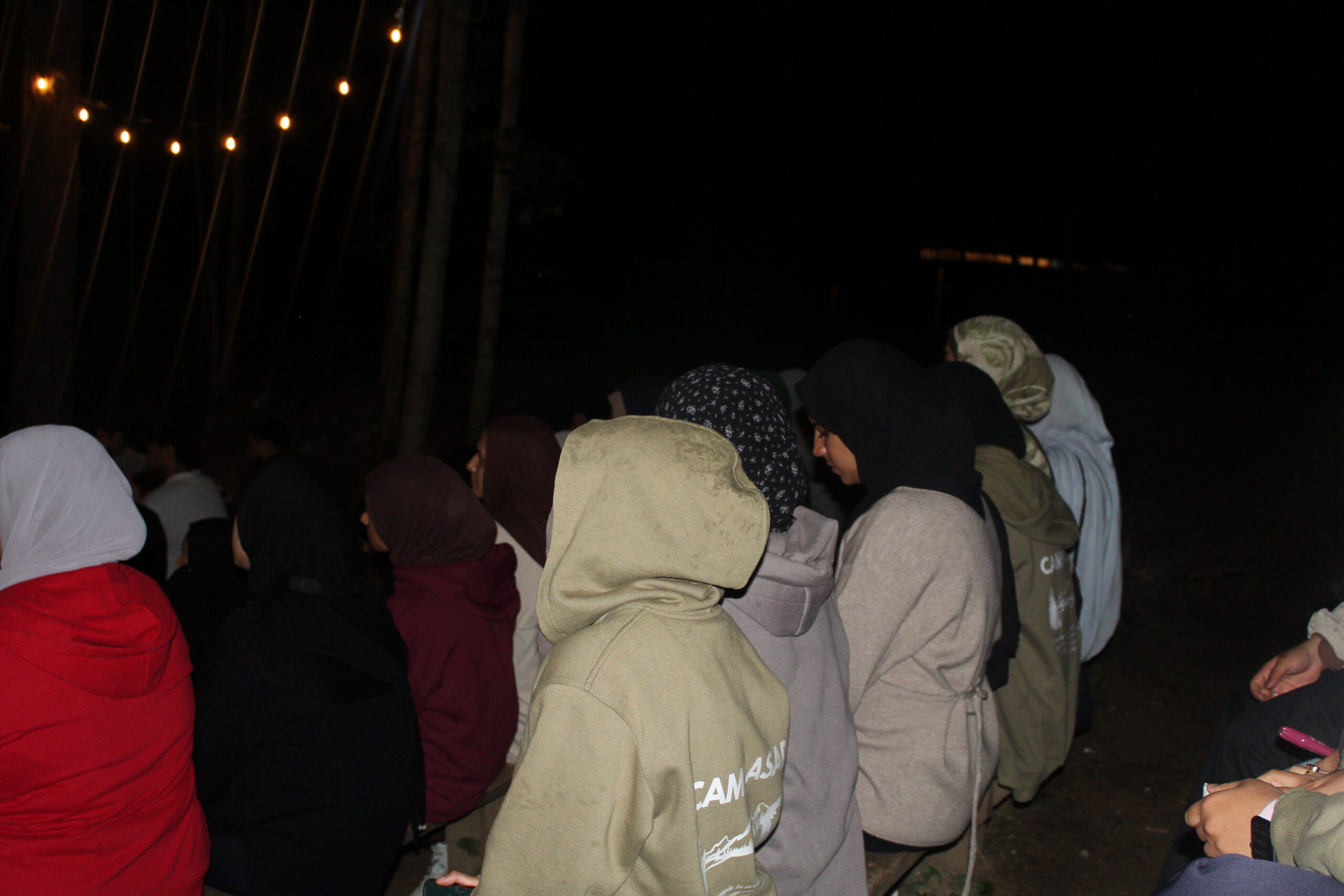
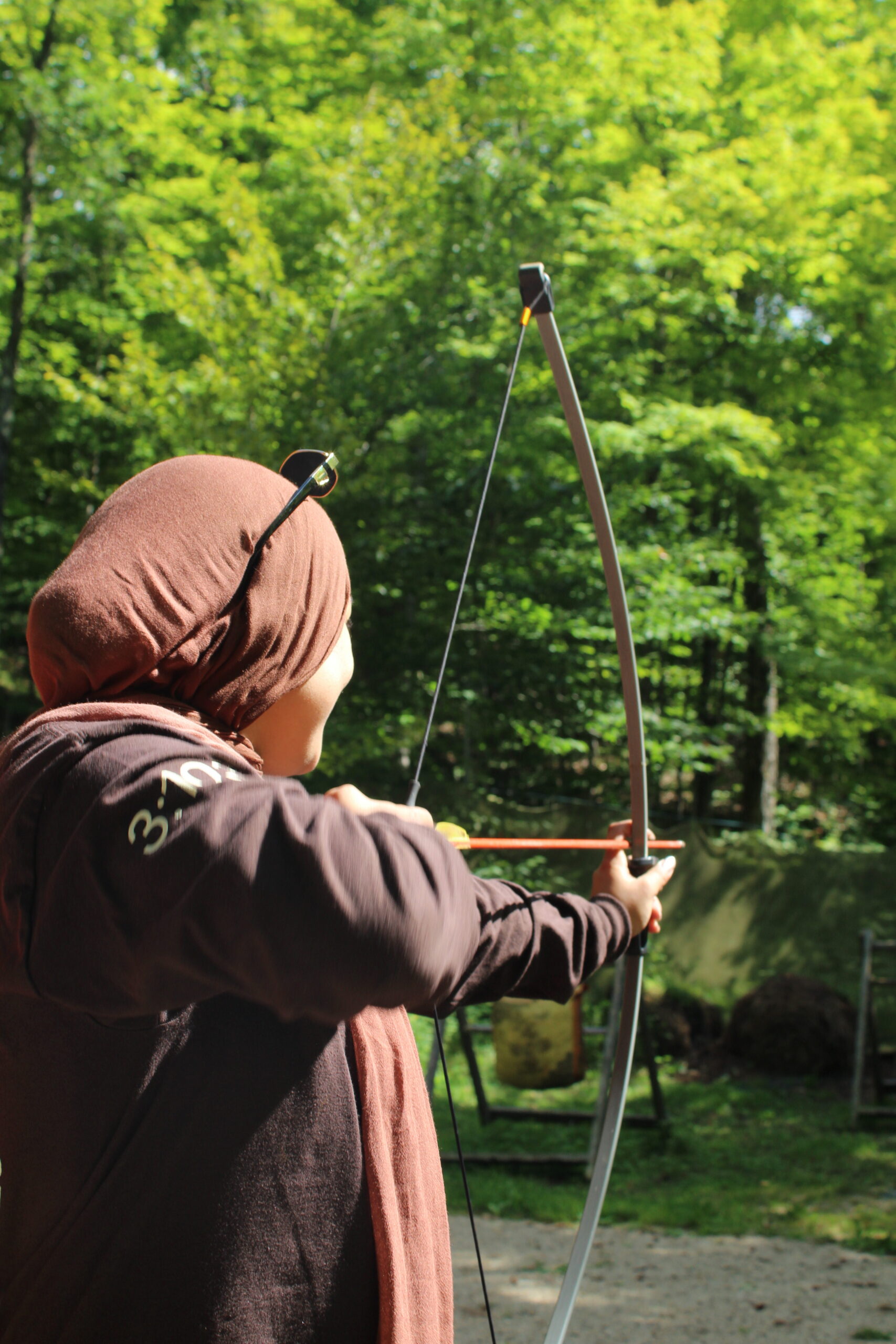
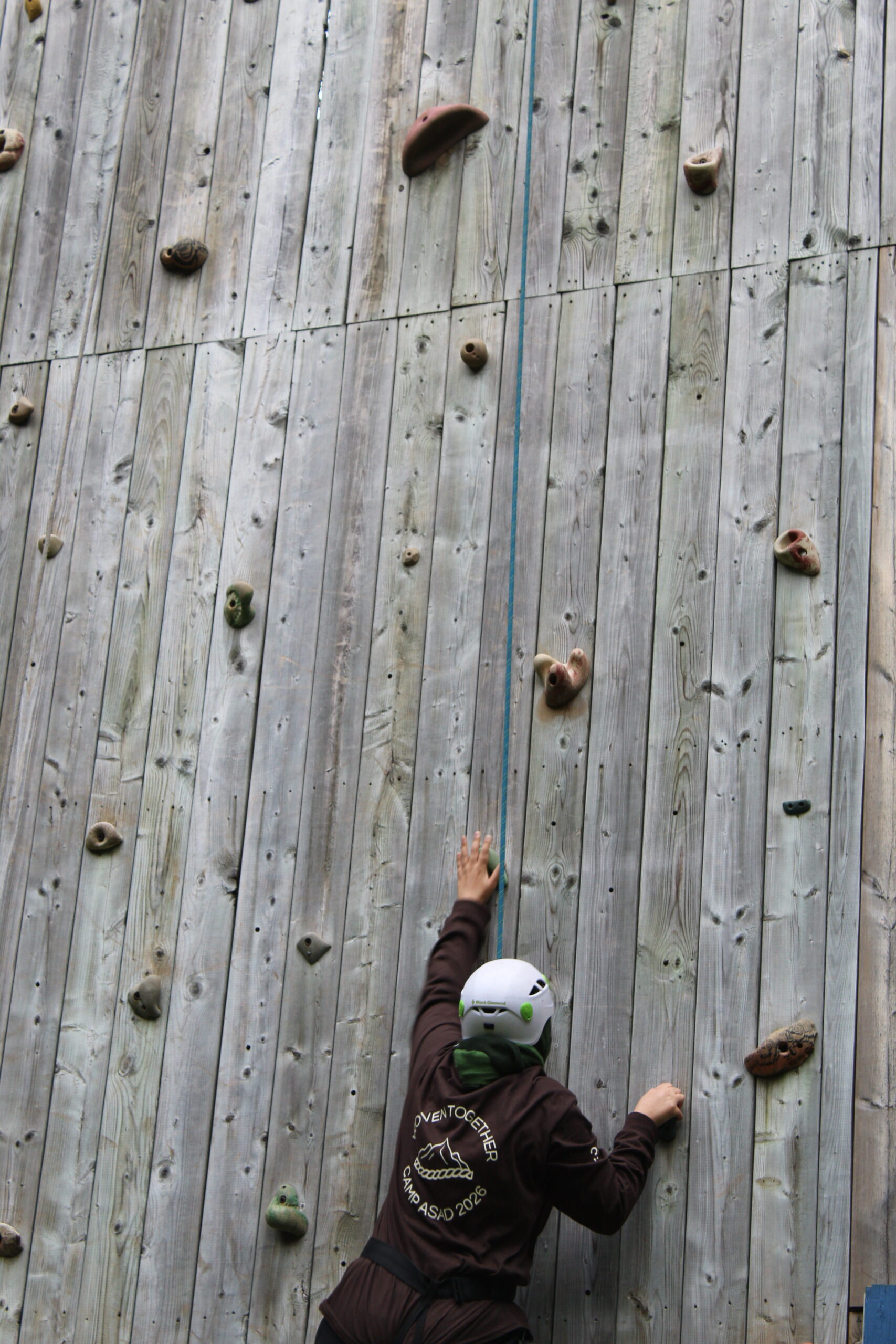
Camp Asad 2026 in Photos

Salaam Alaikum,

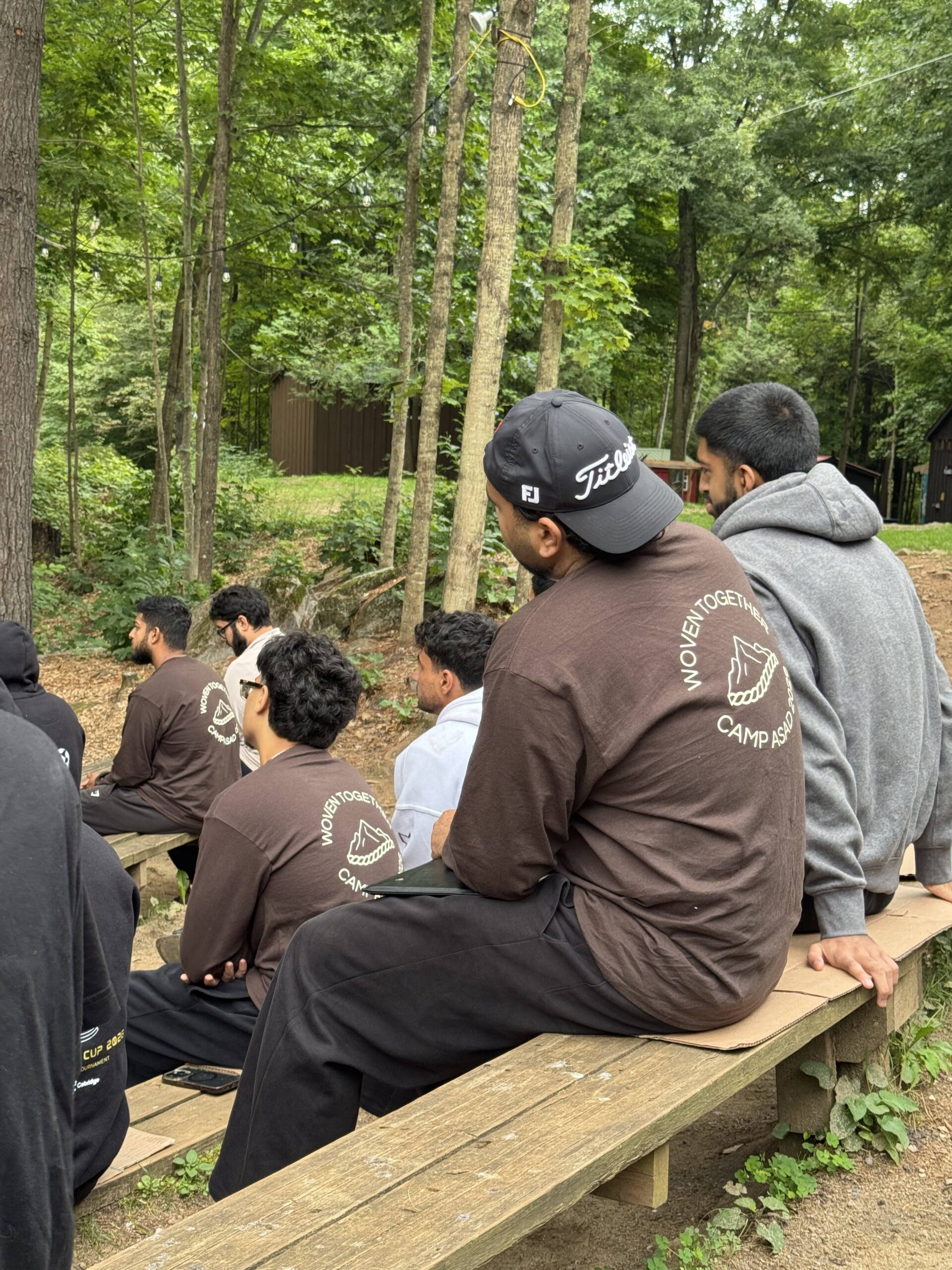
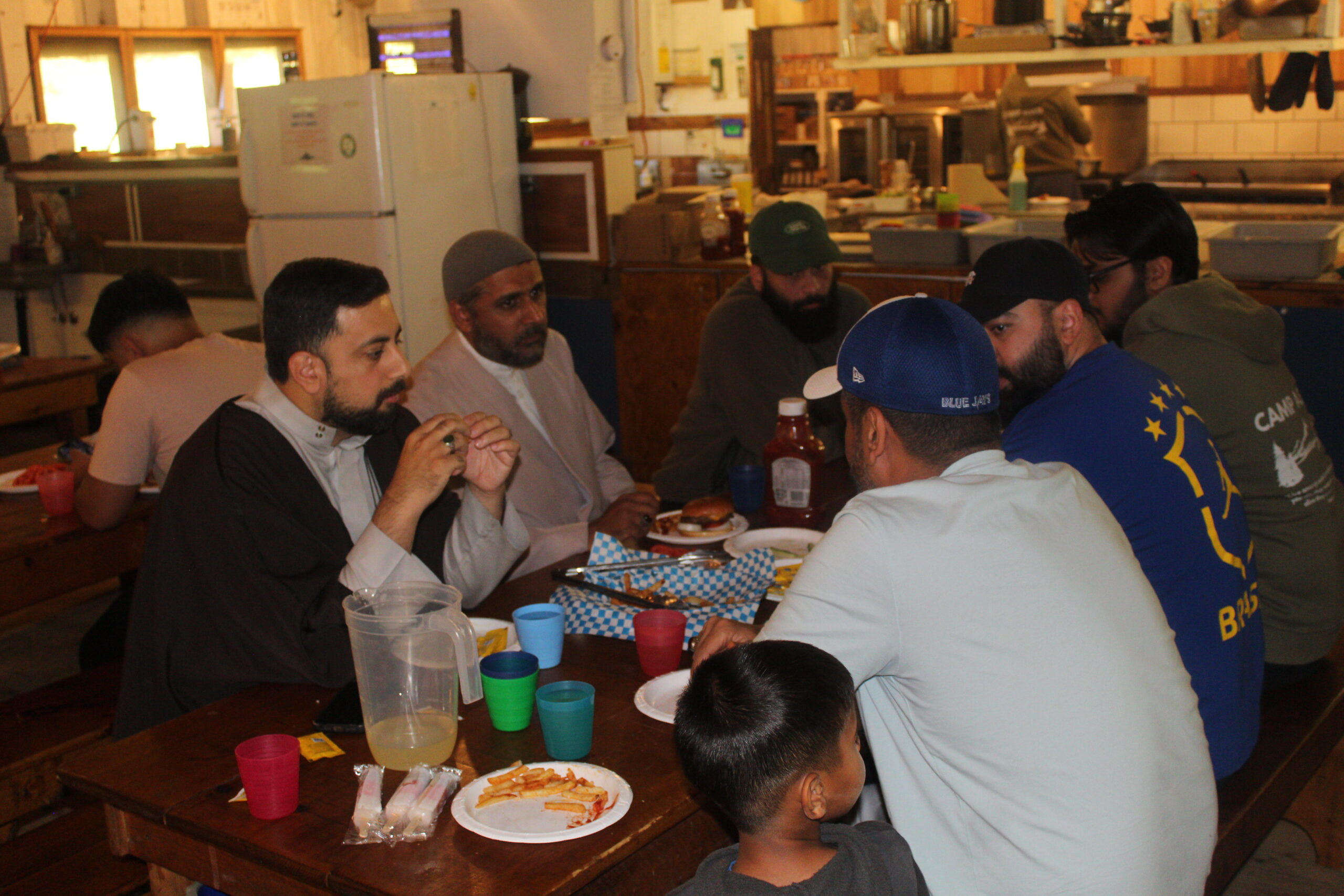
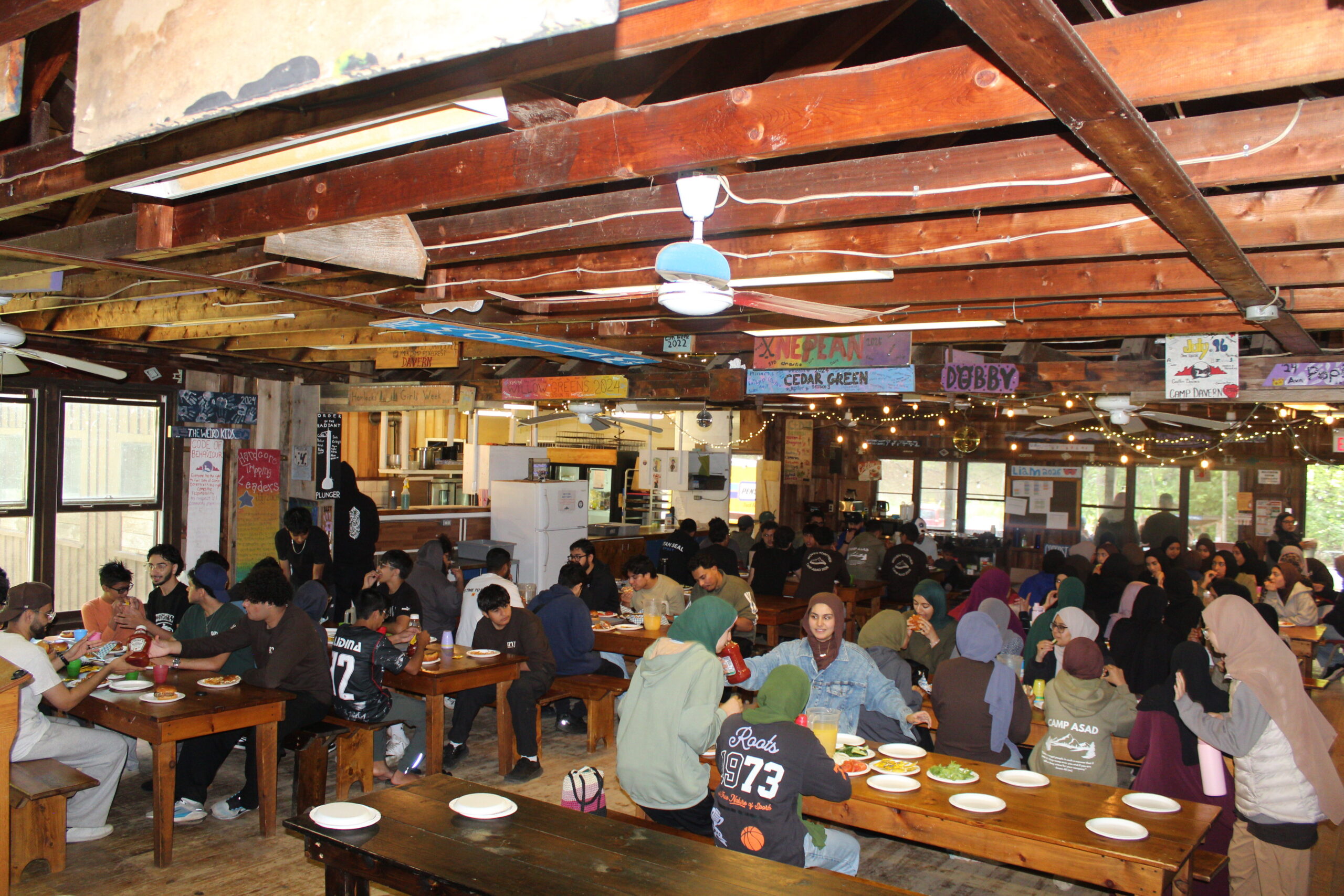
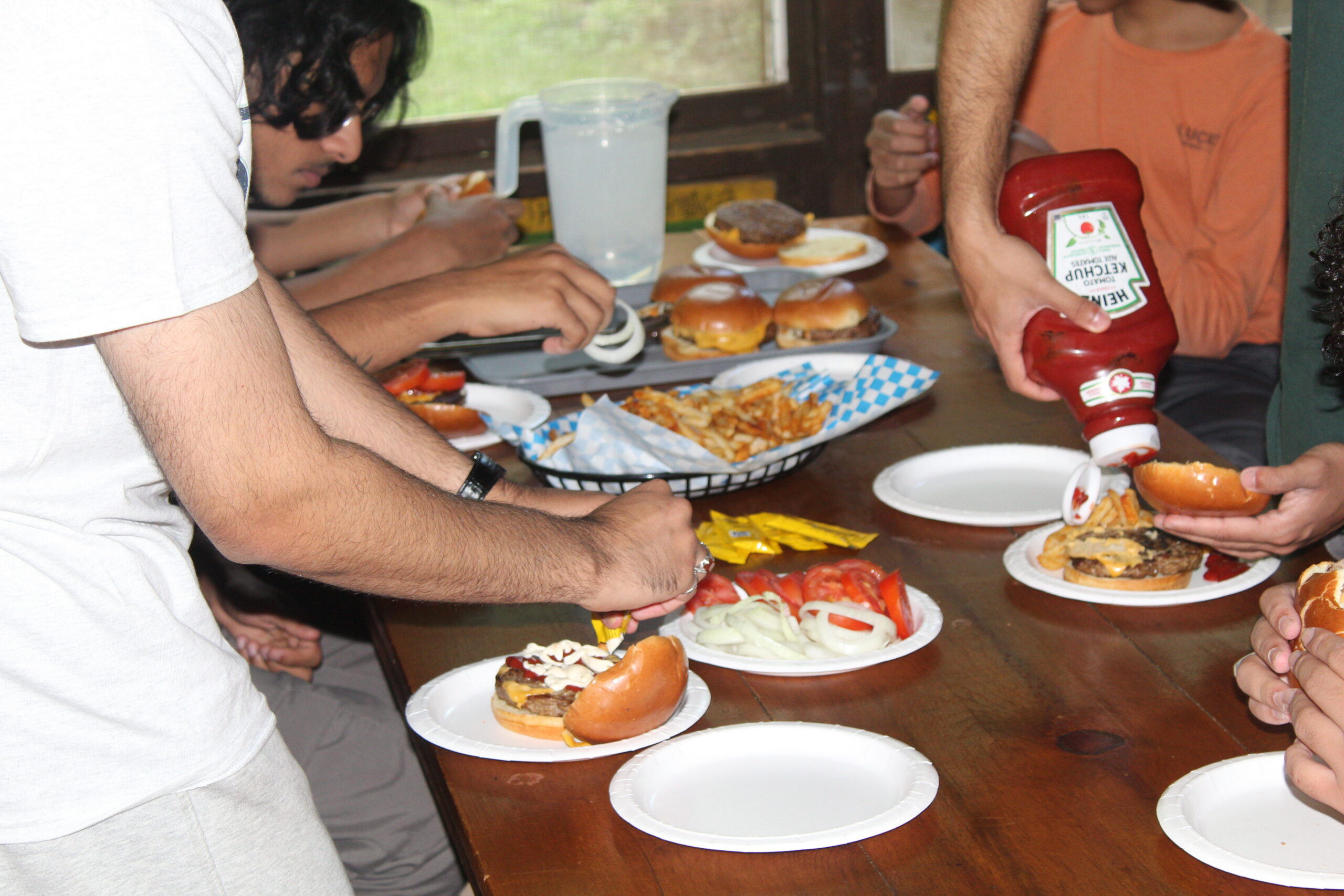
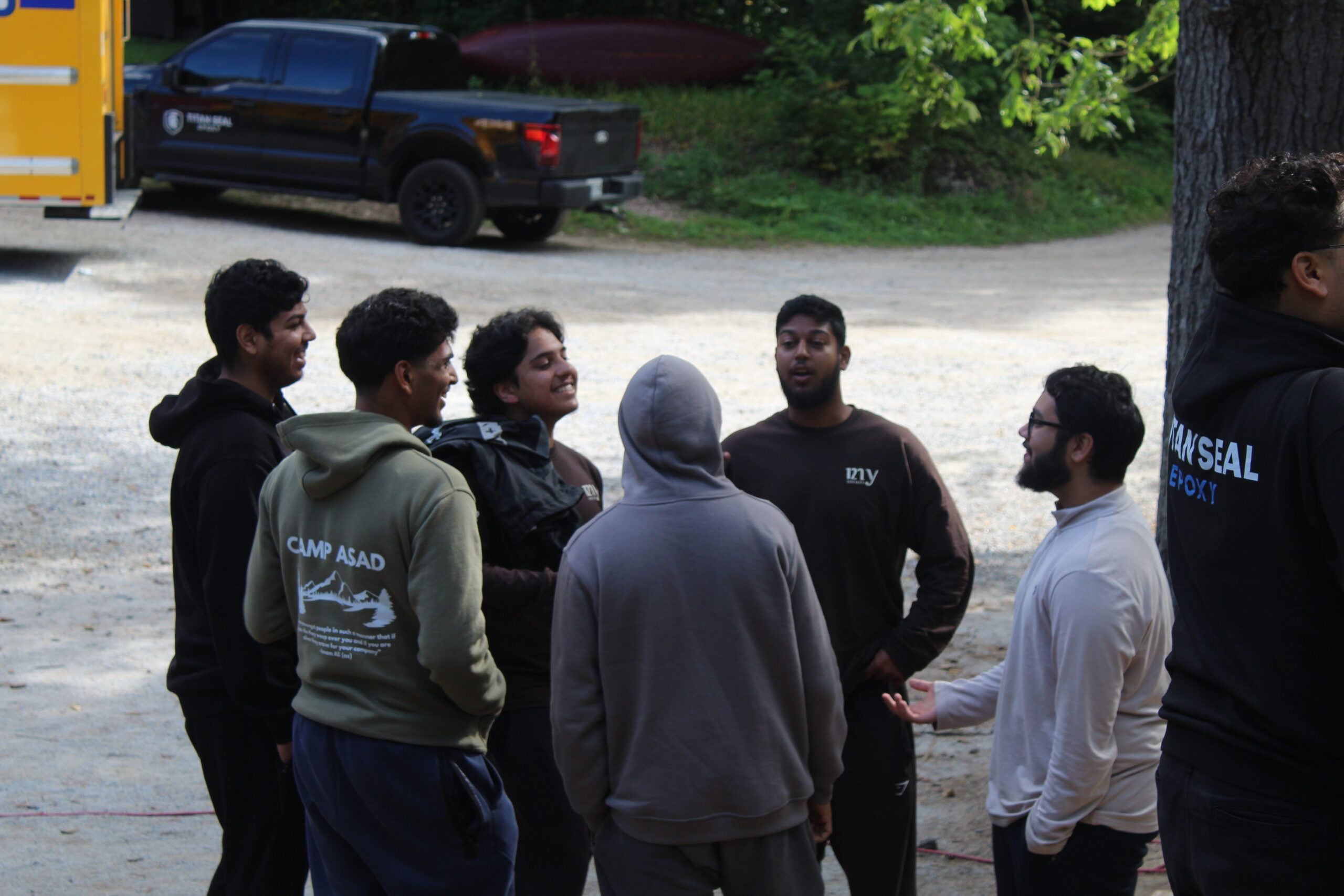
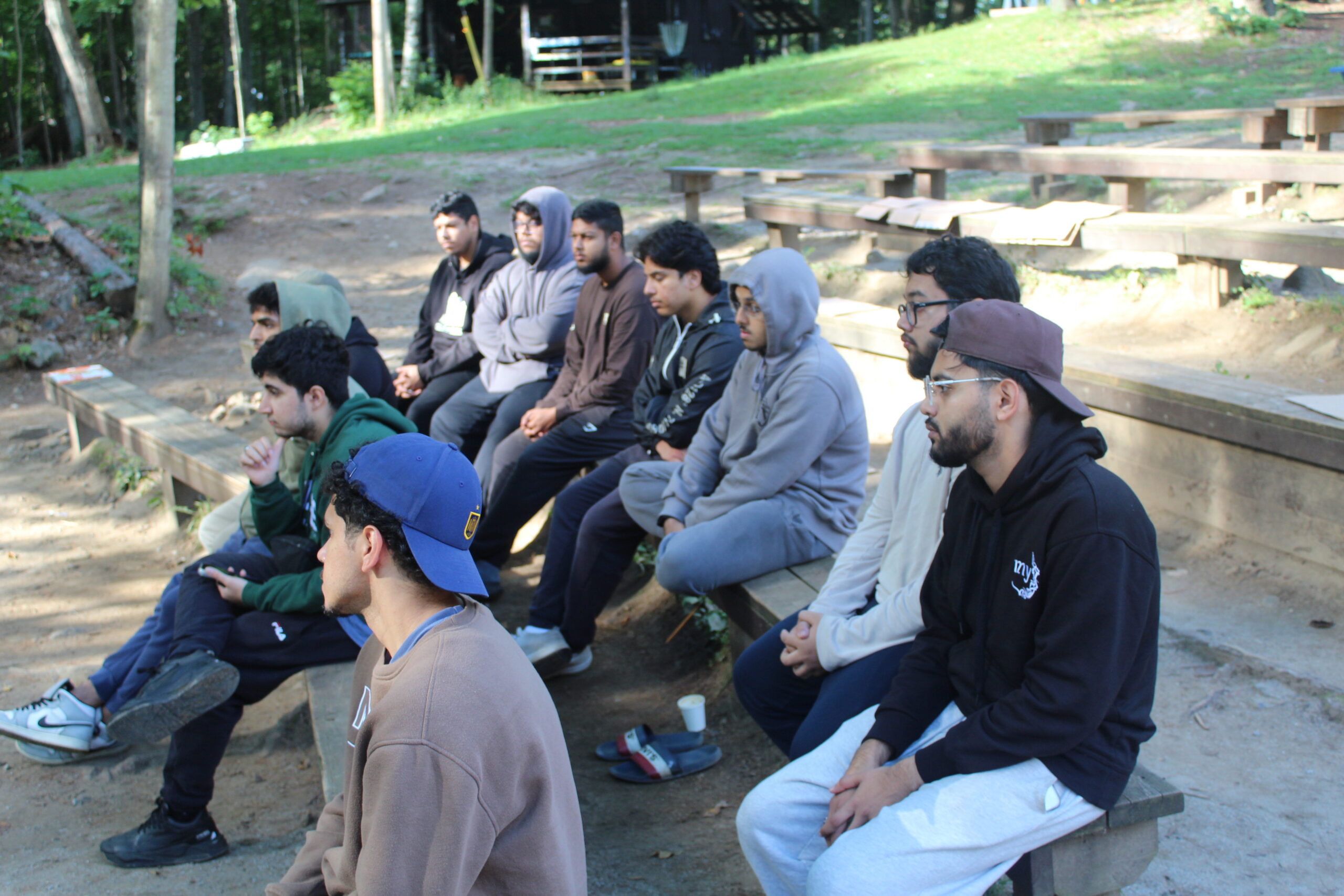
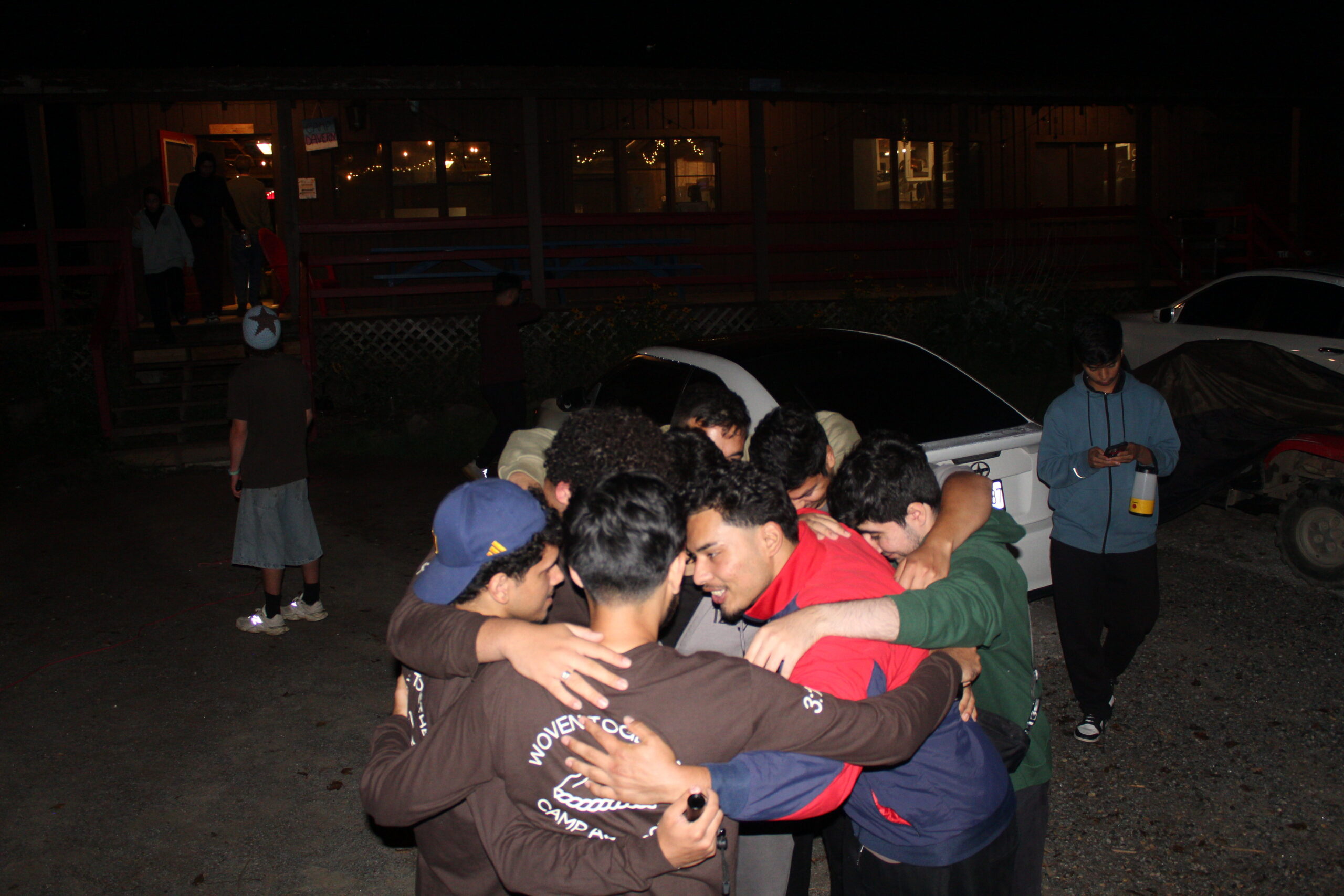
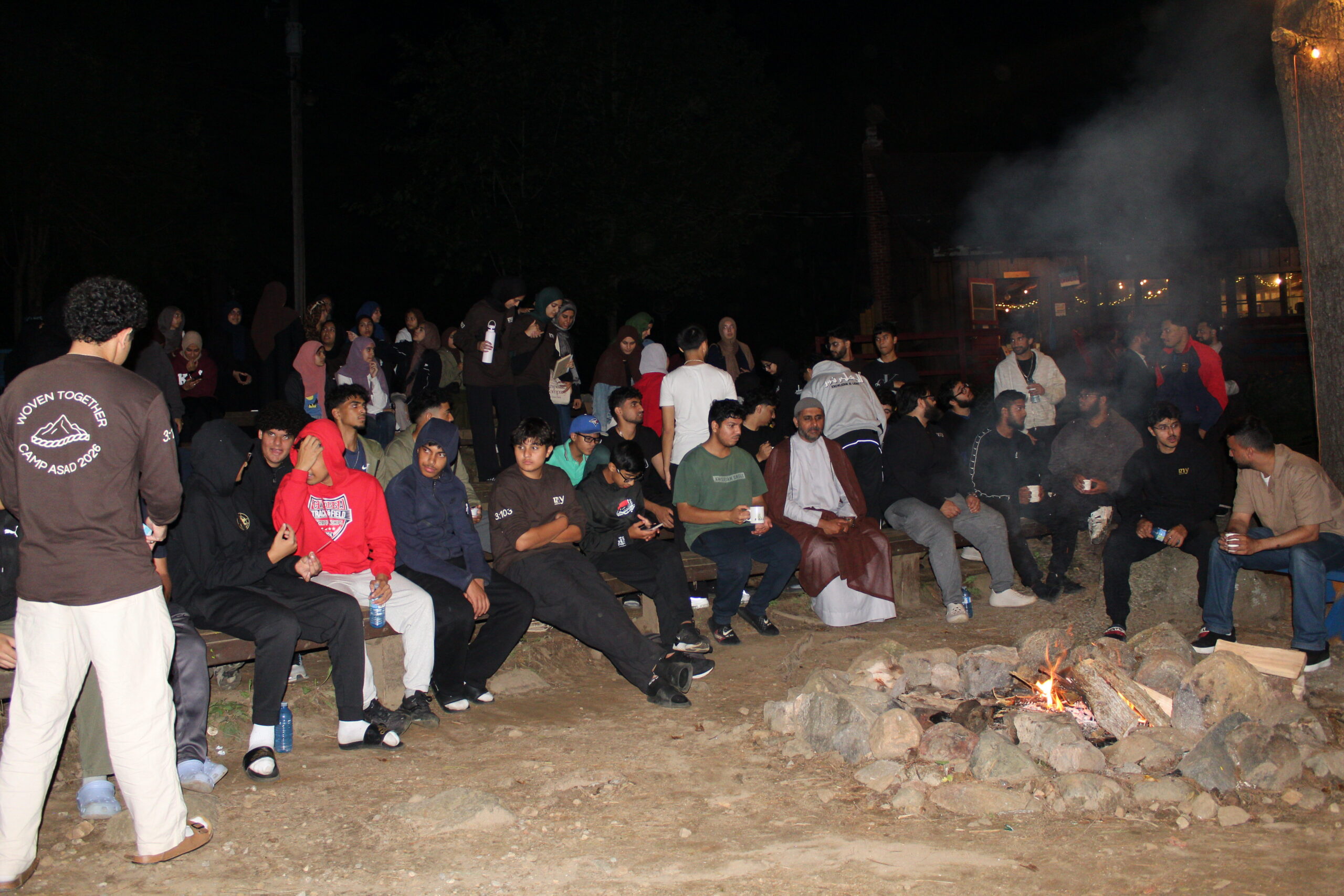
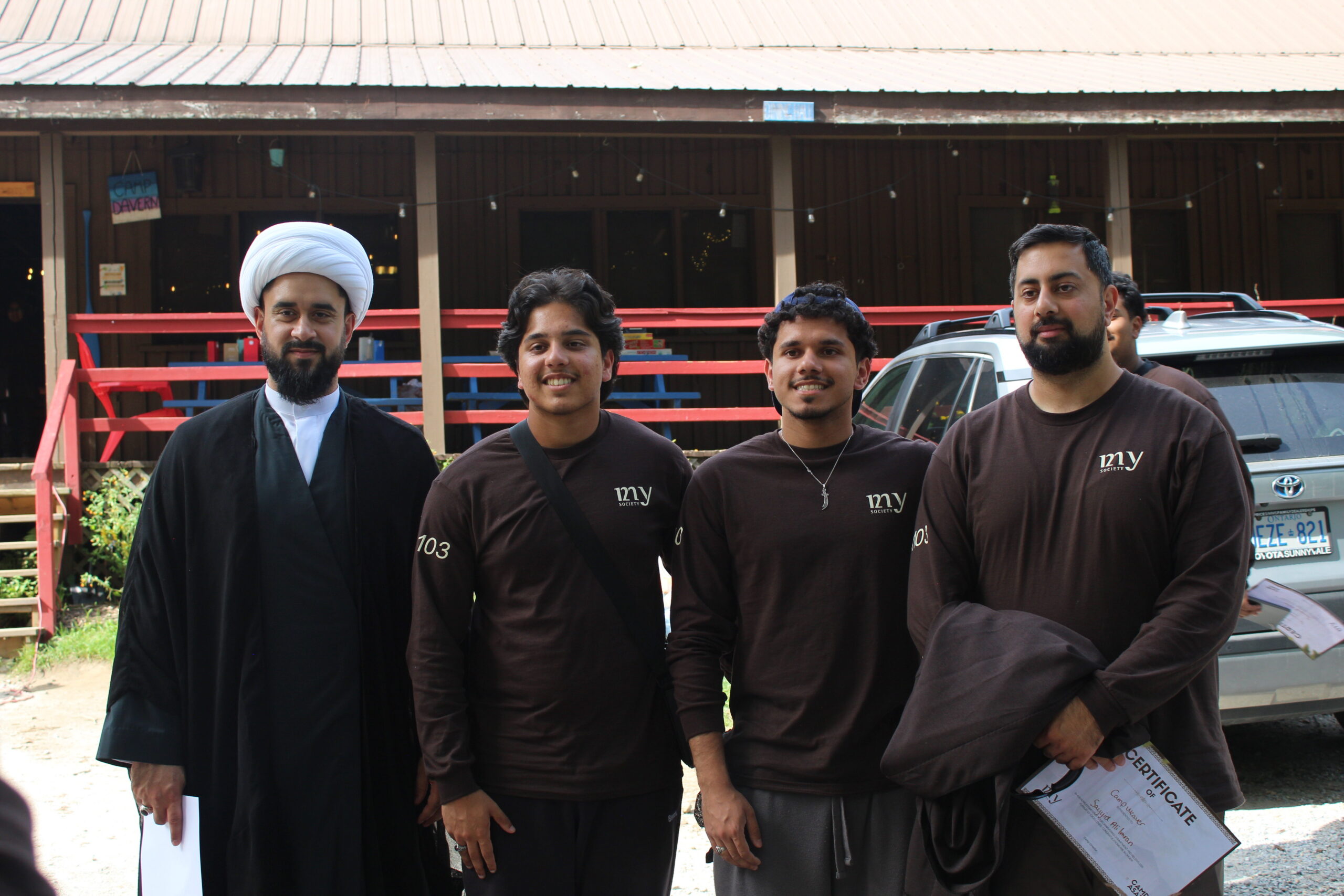
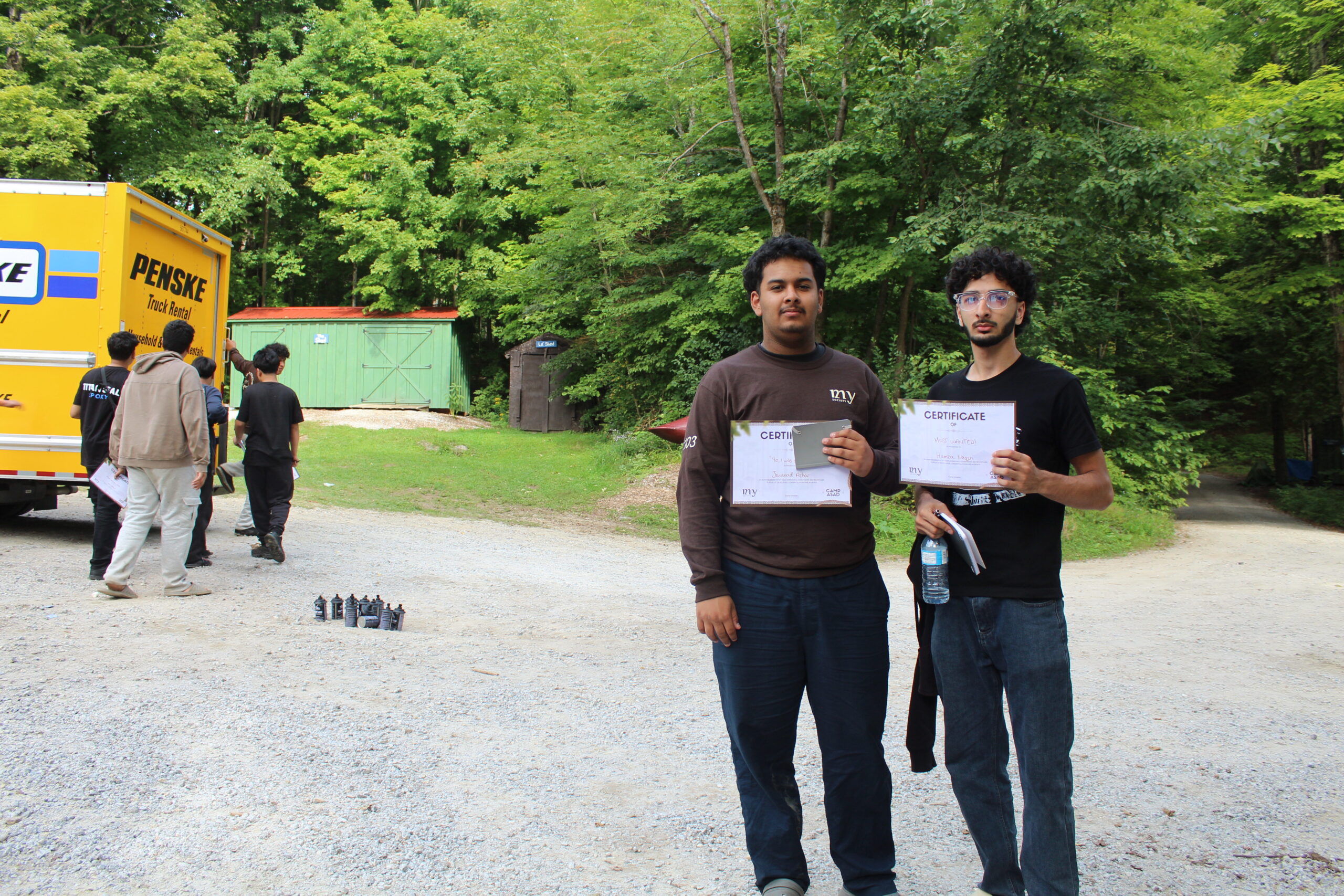
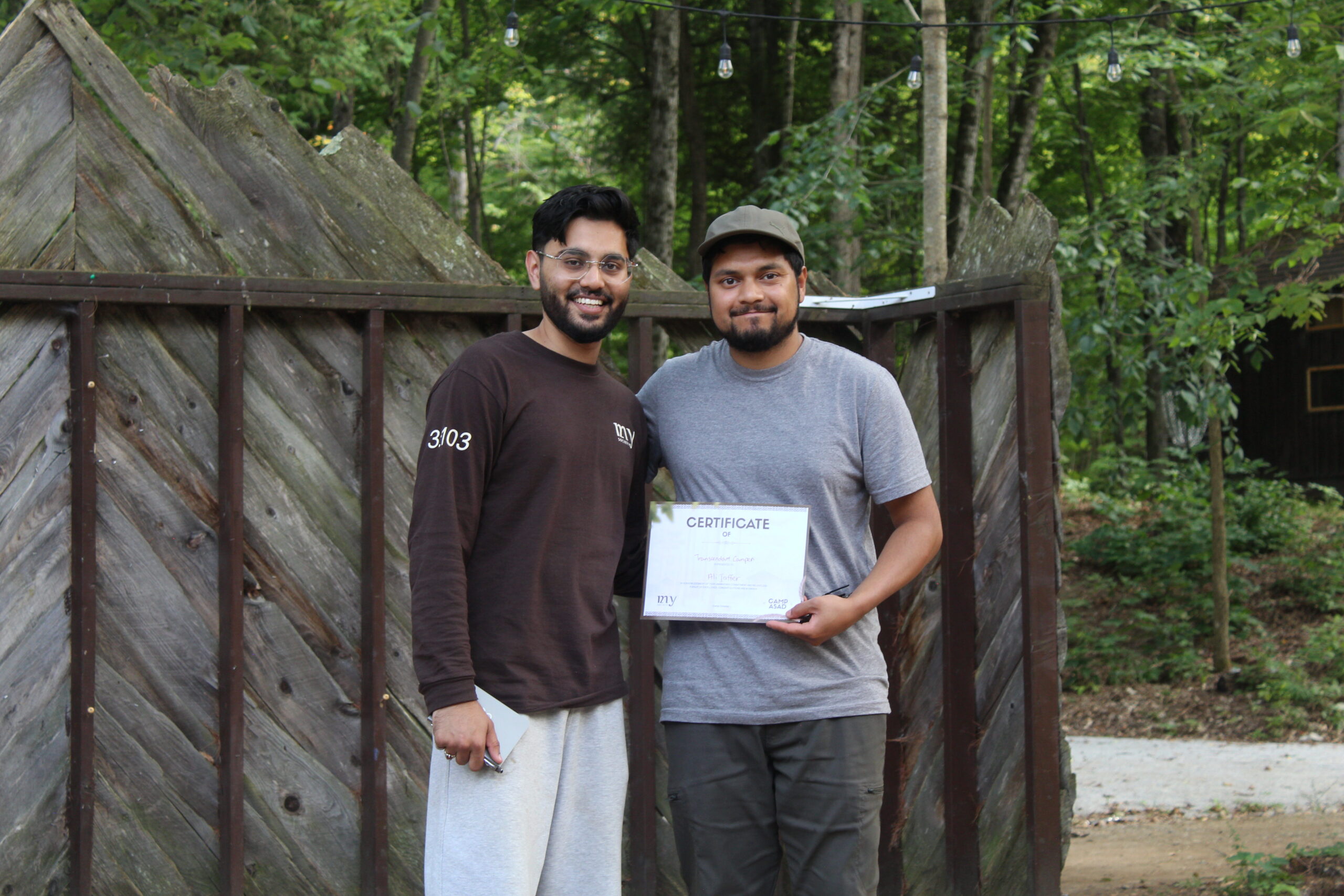
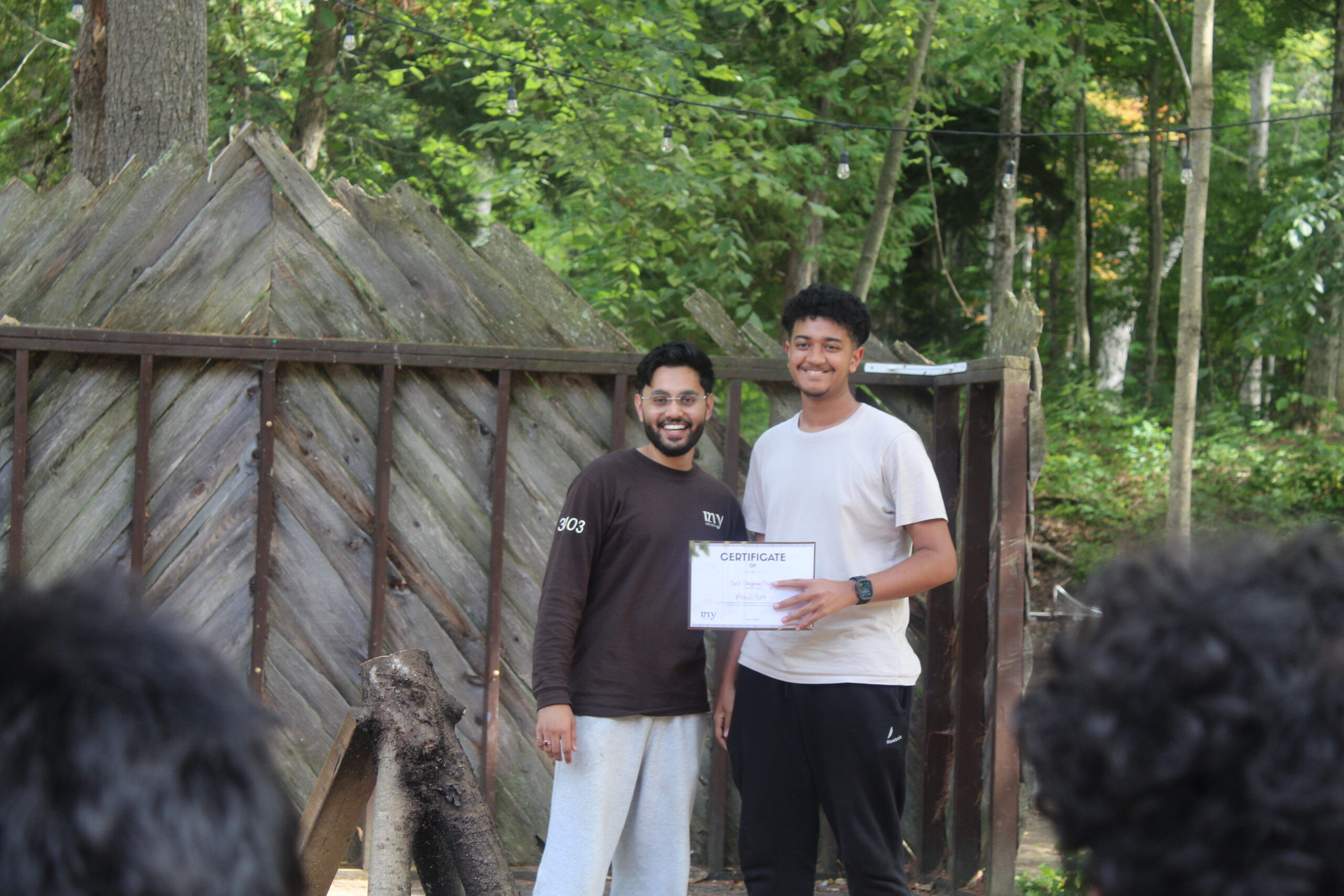
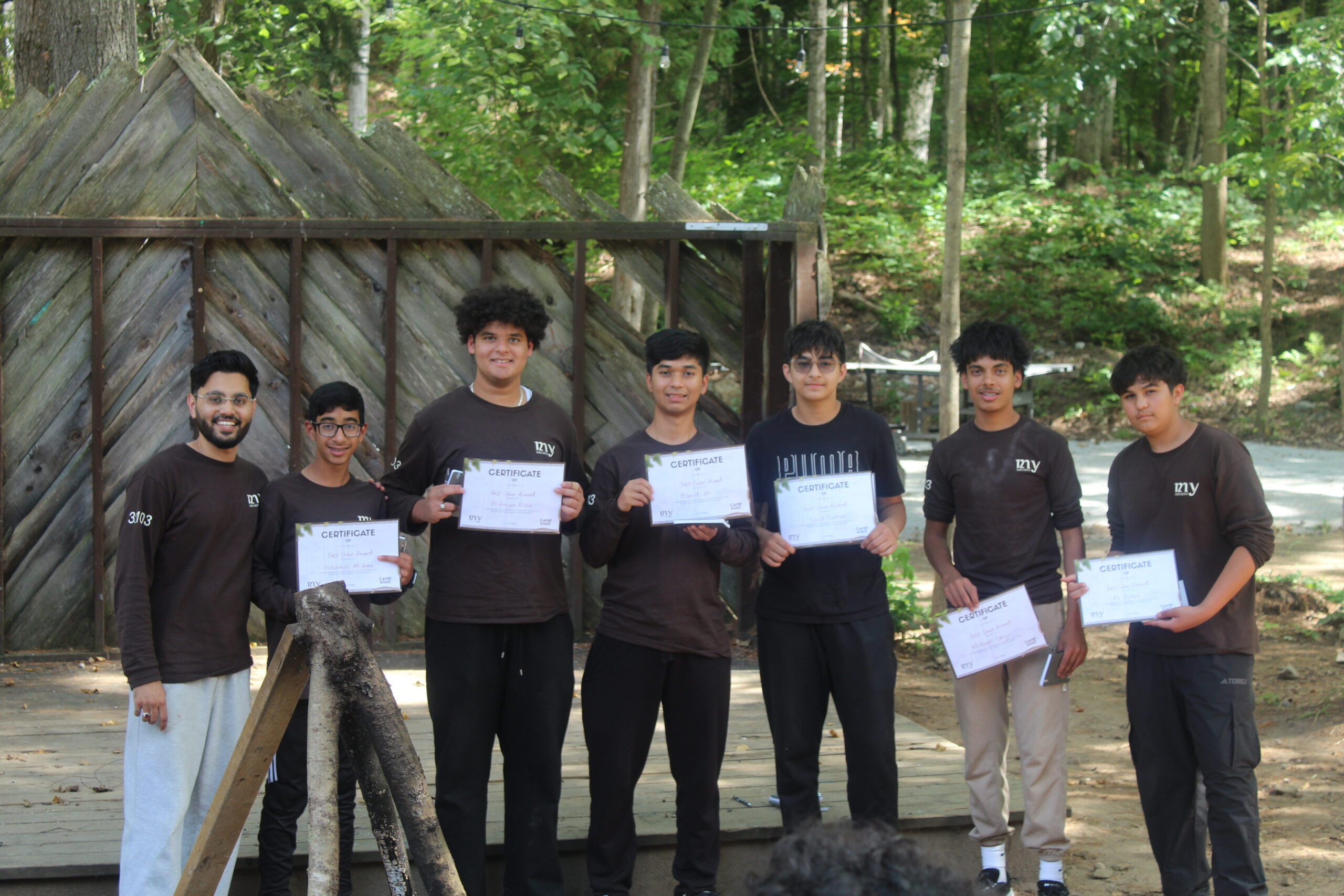
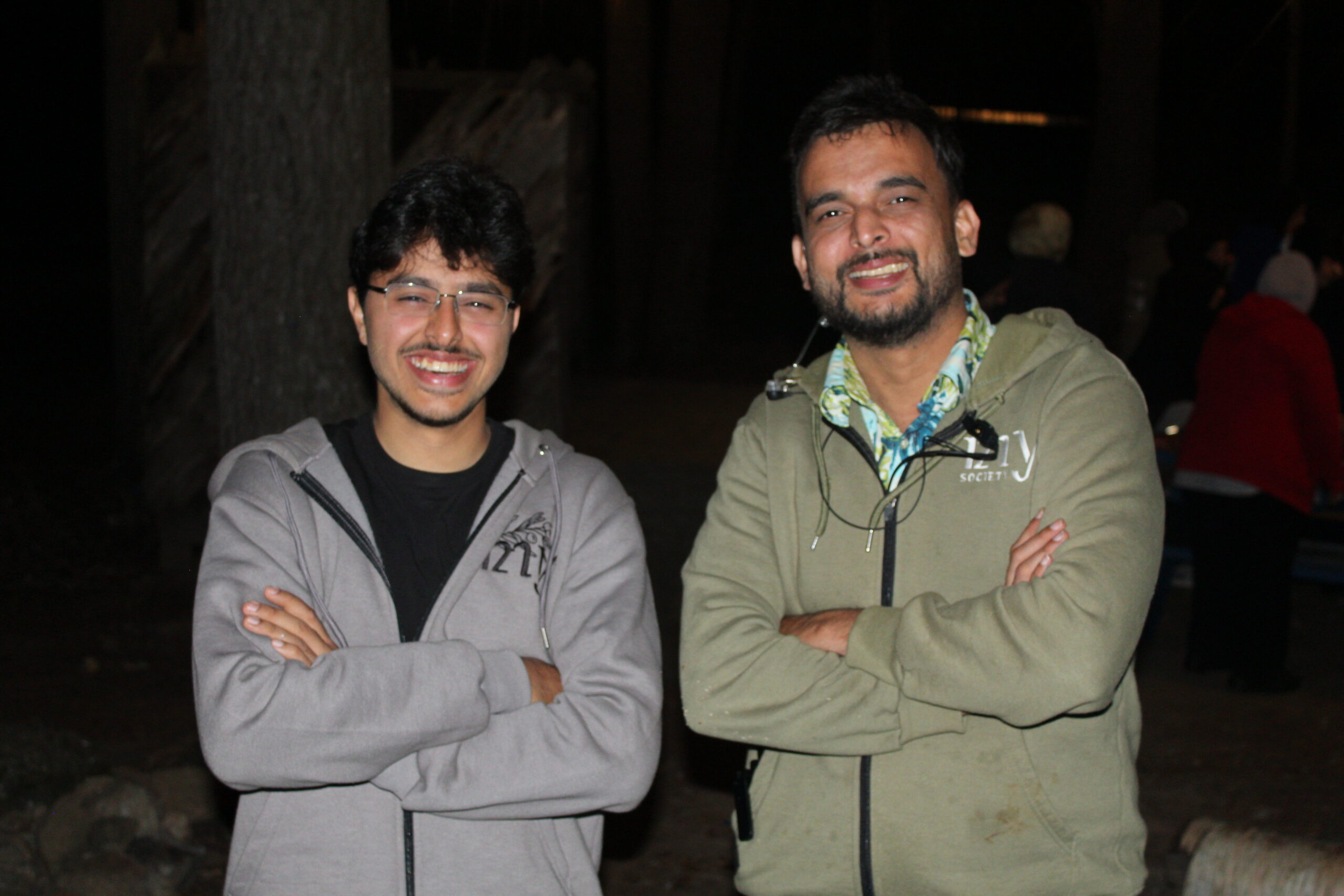
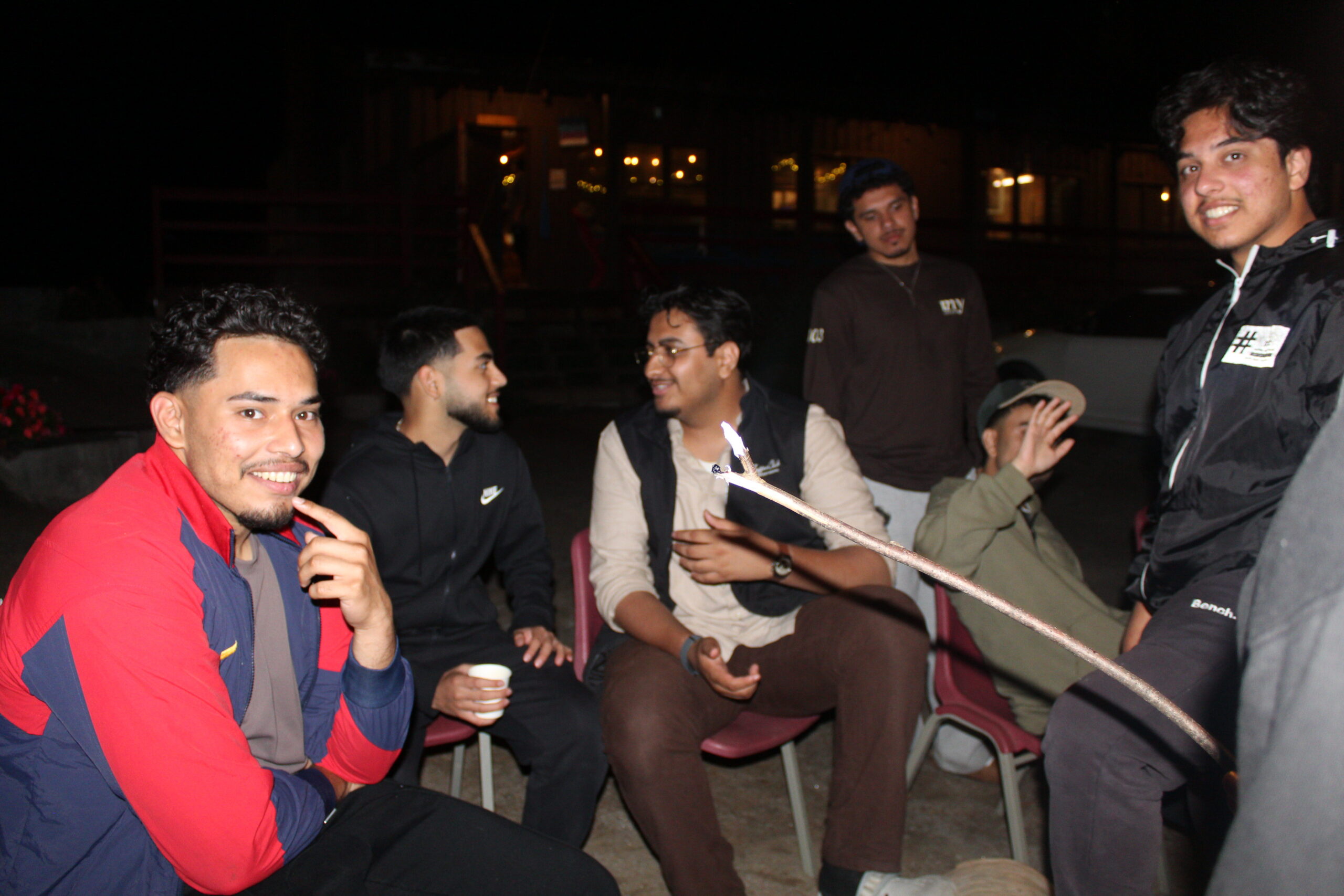
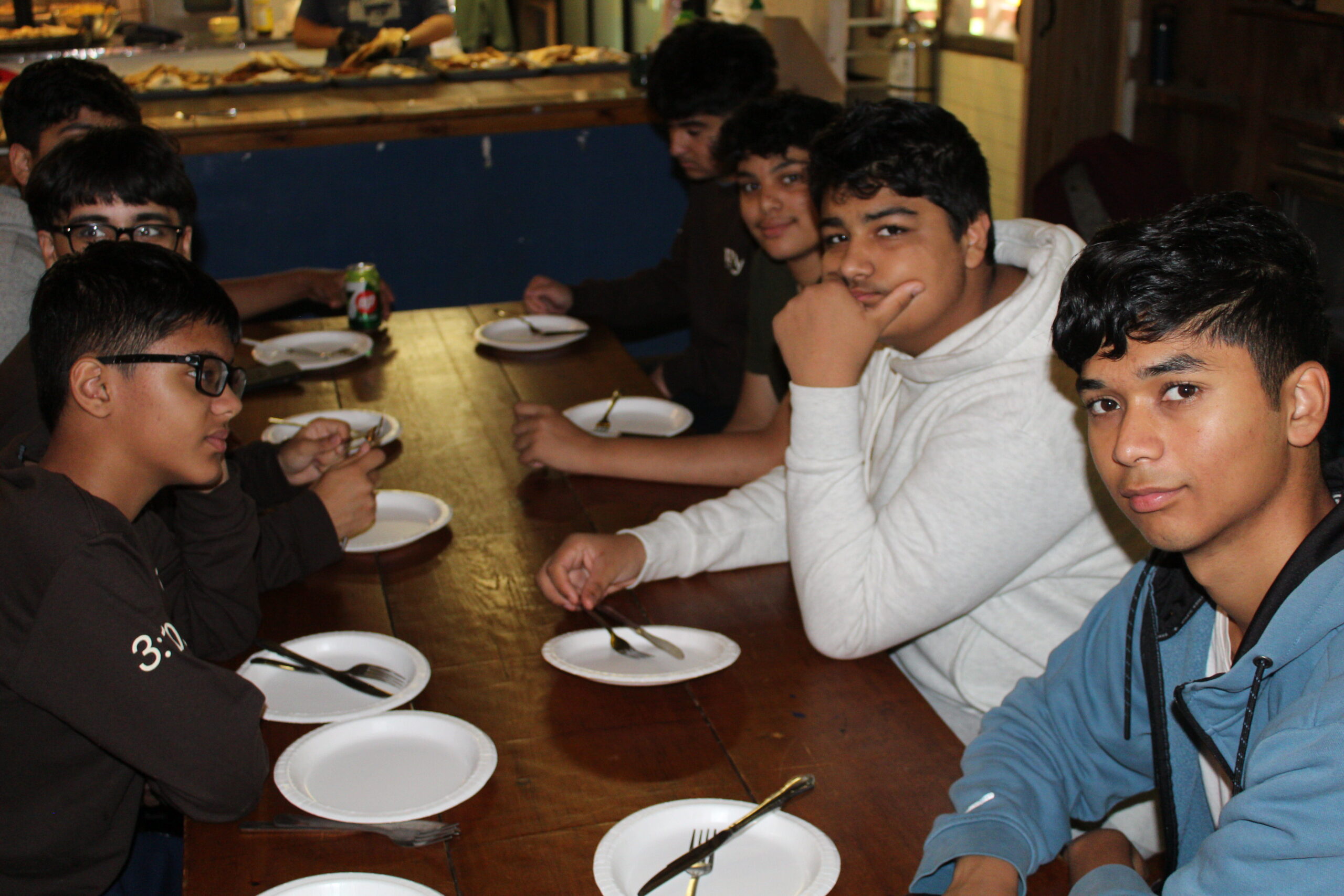
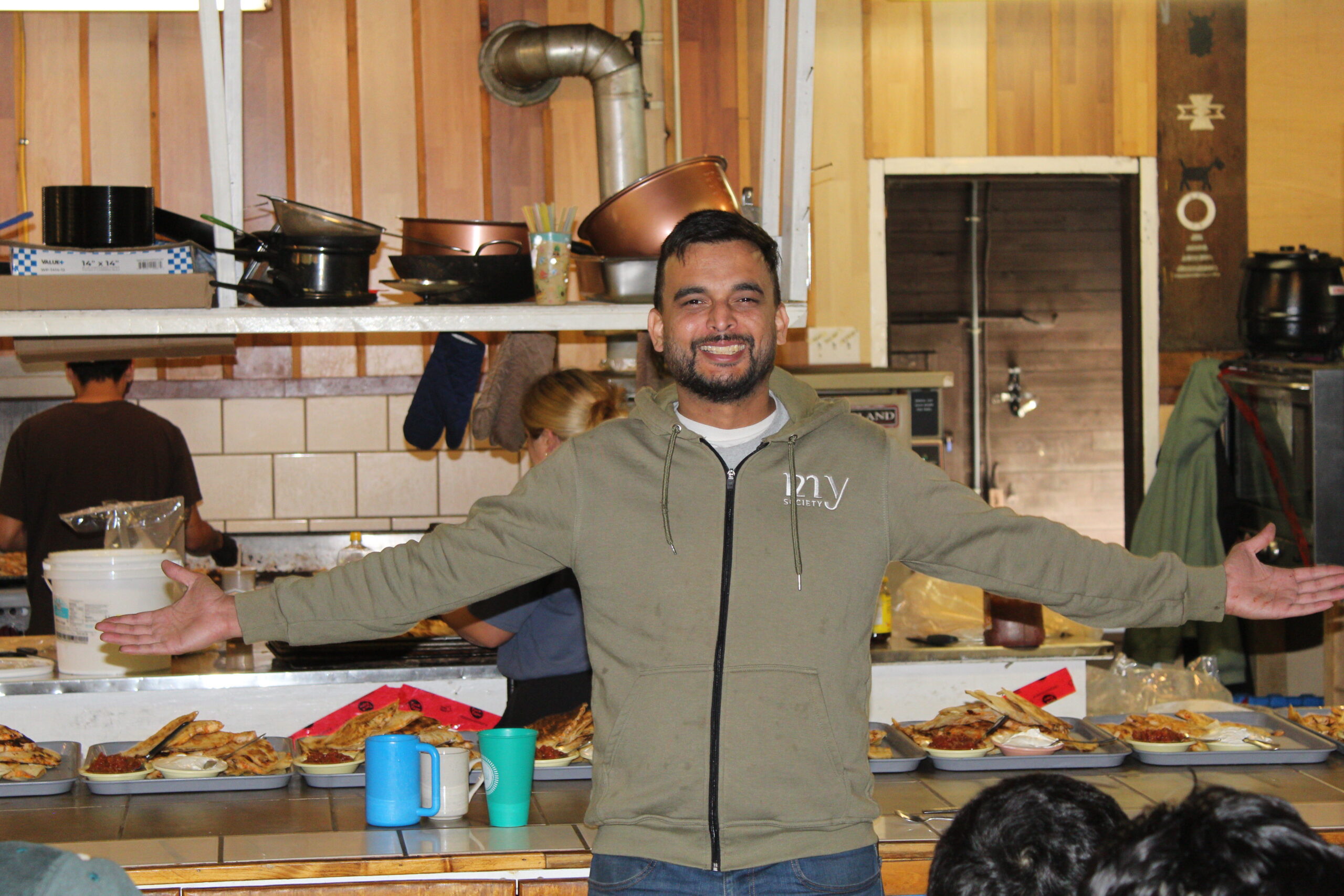
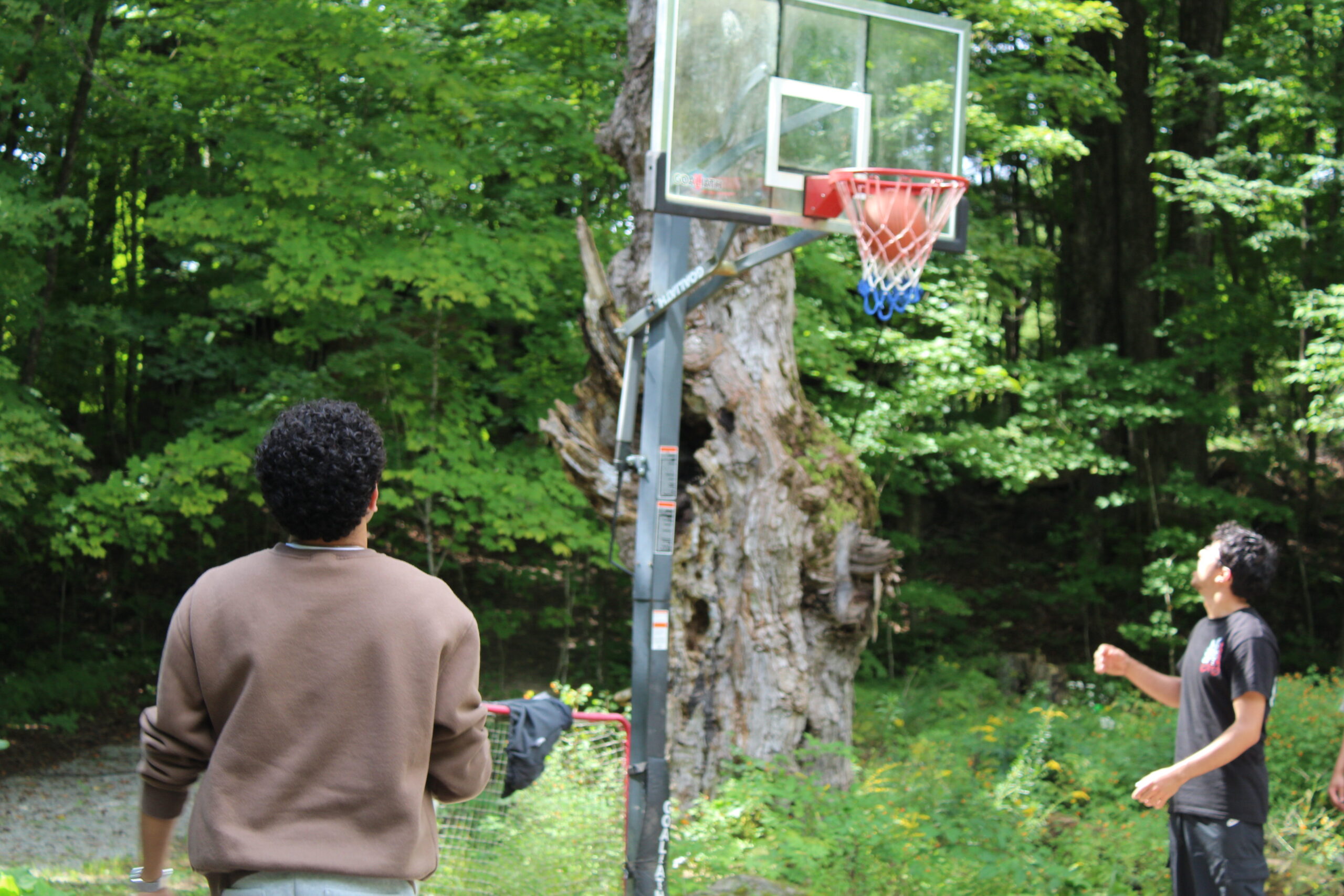
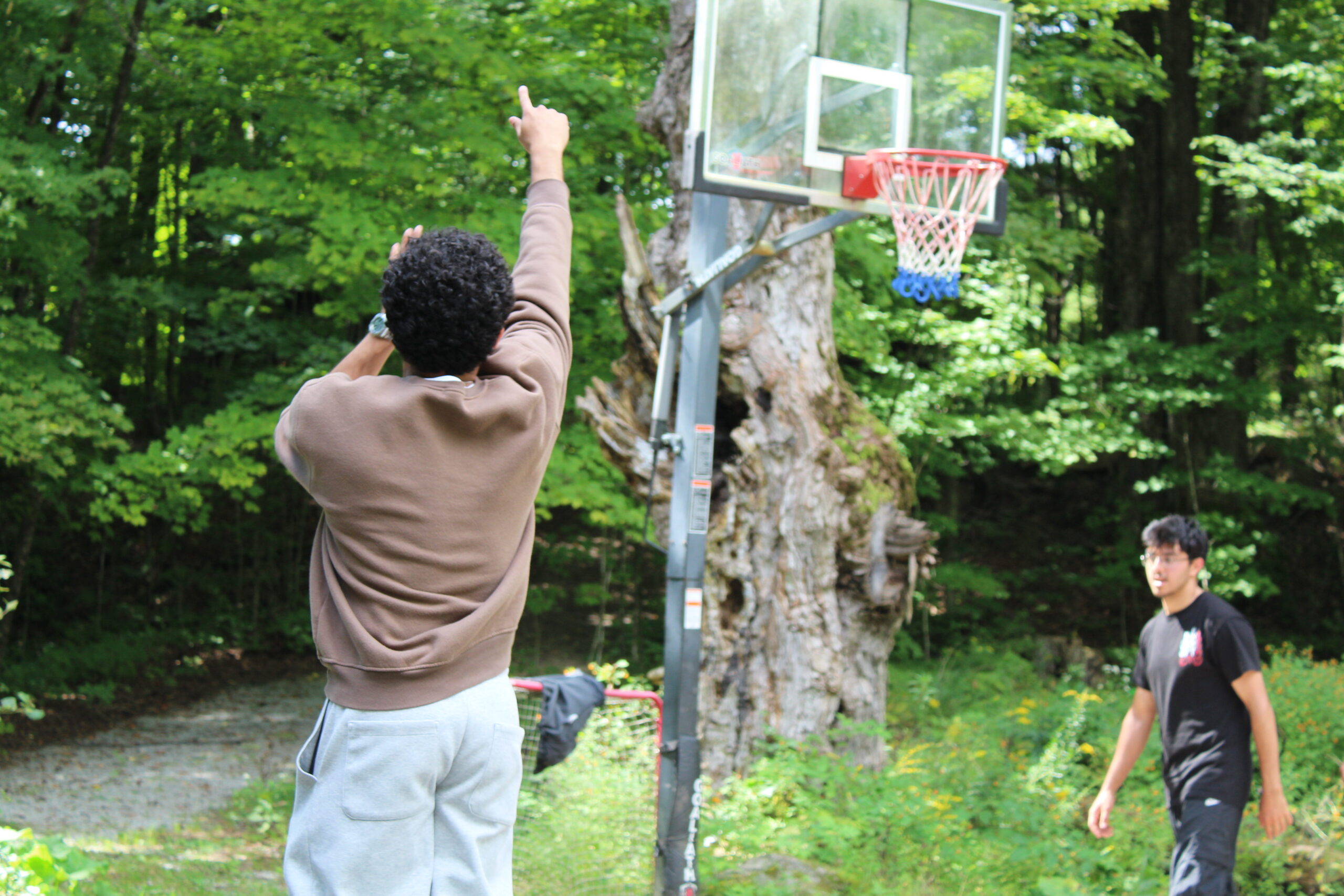
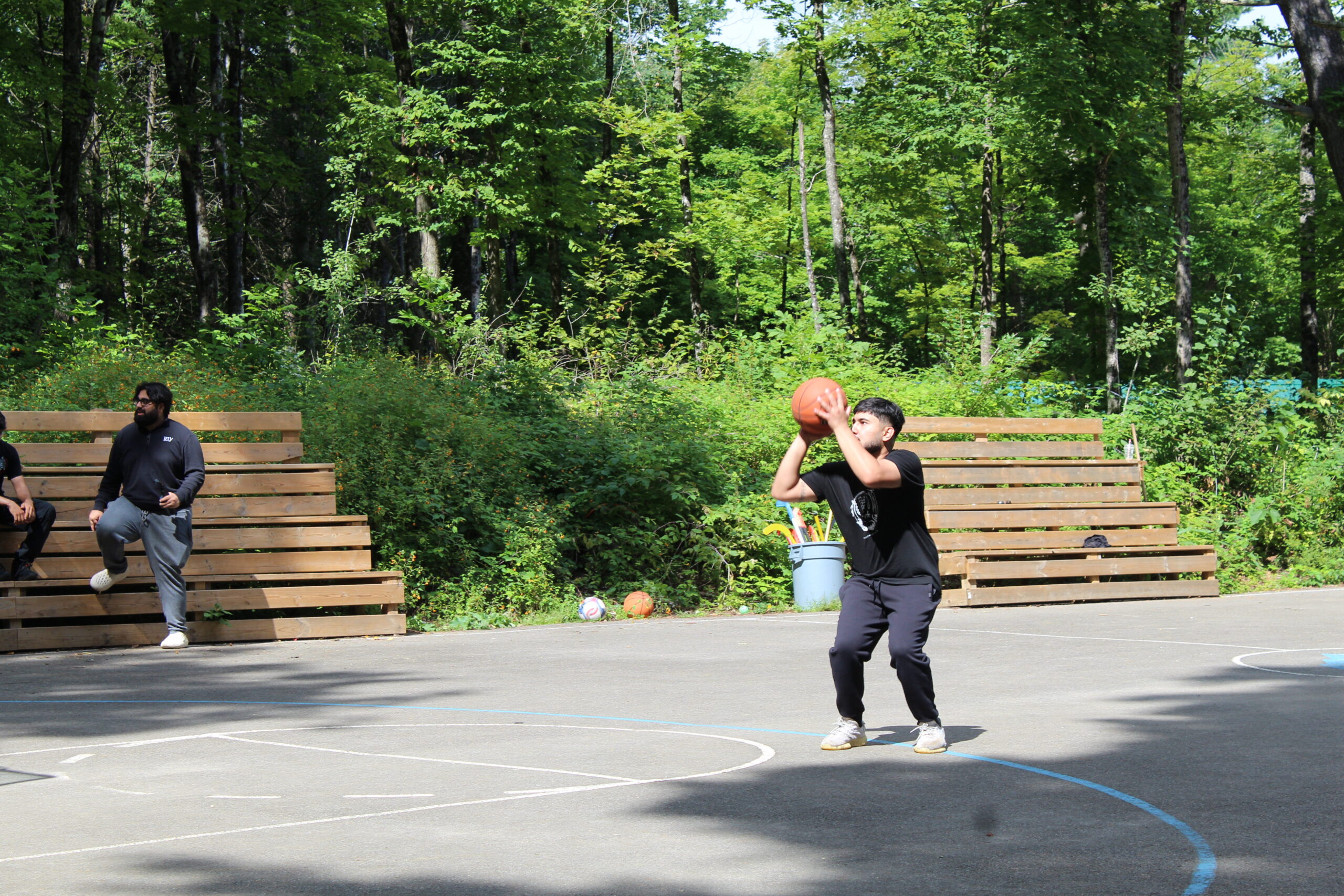
Alhamdulillah, this years Labour Day weekend was filled with faith, brotherhood, sisterhood, personal growth, sports, meaningful discussions, and friendships that will last beyond the weekend.

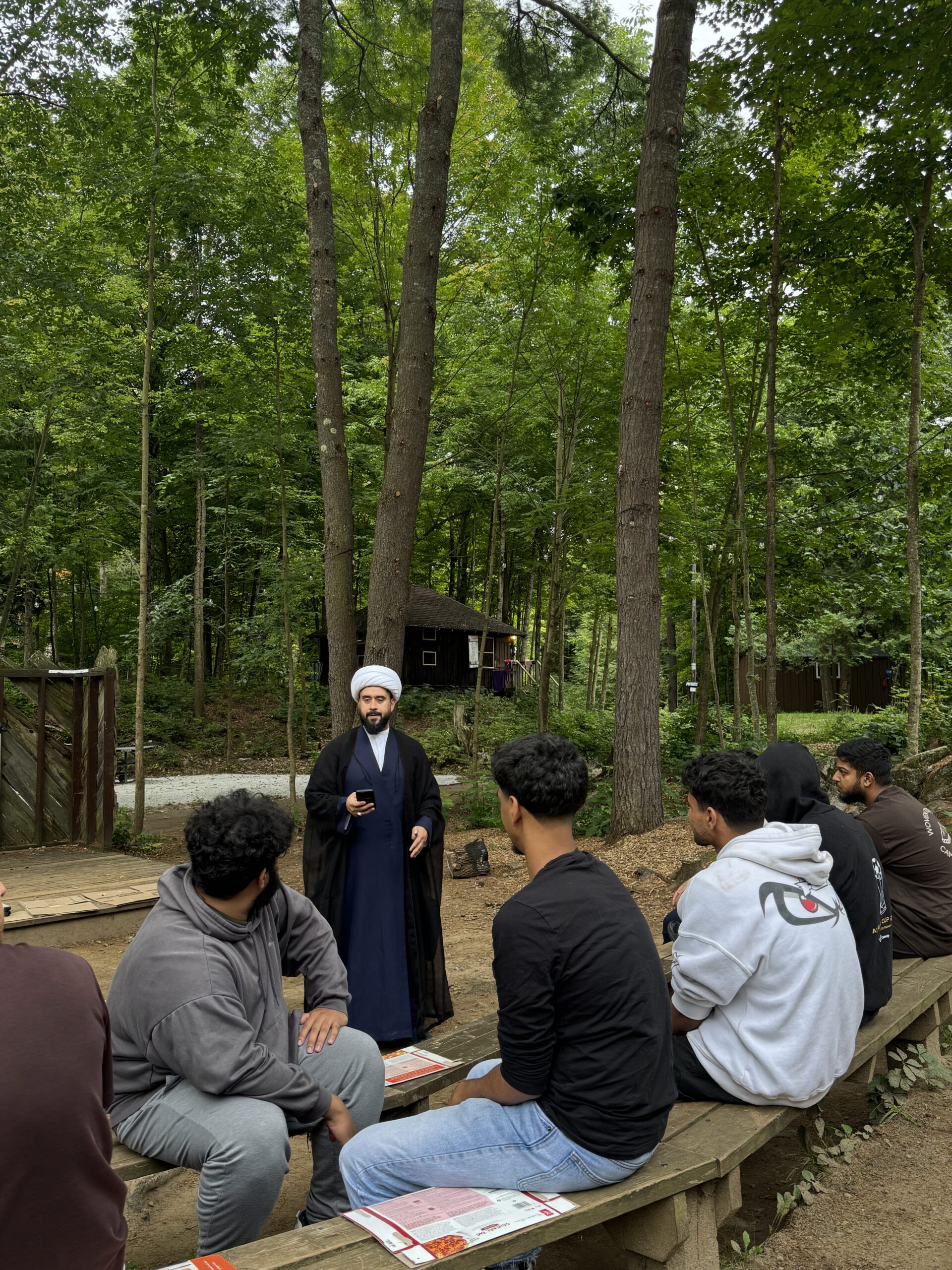
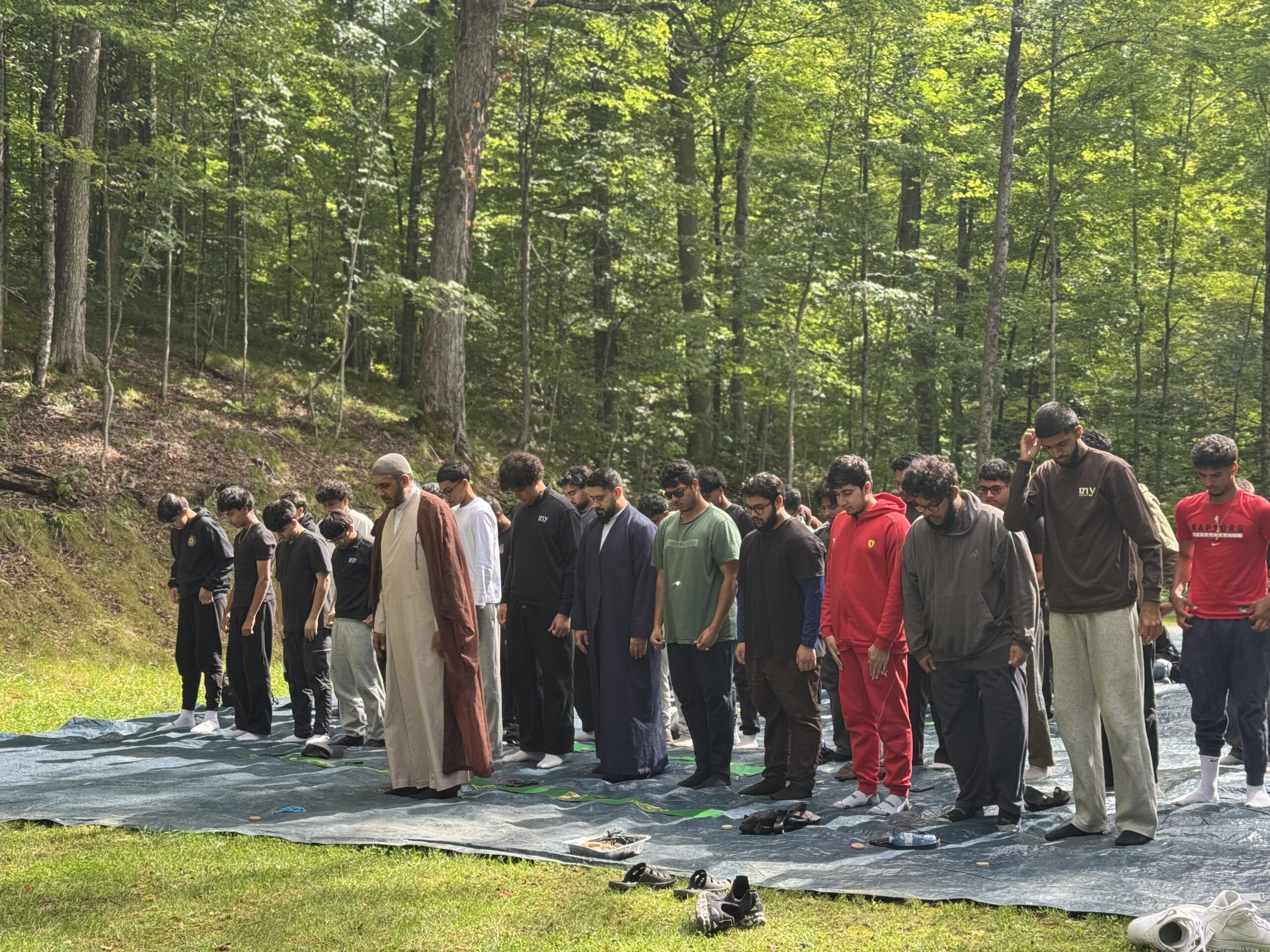
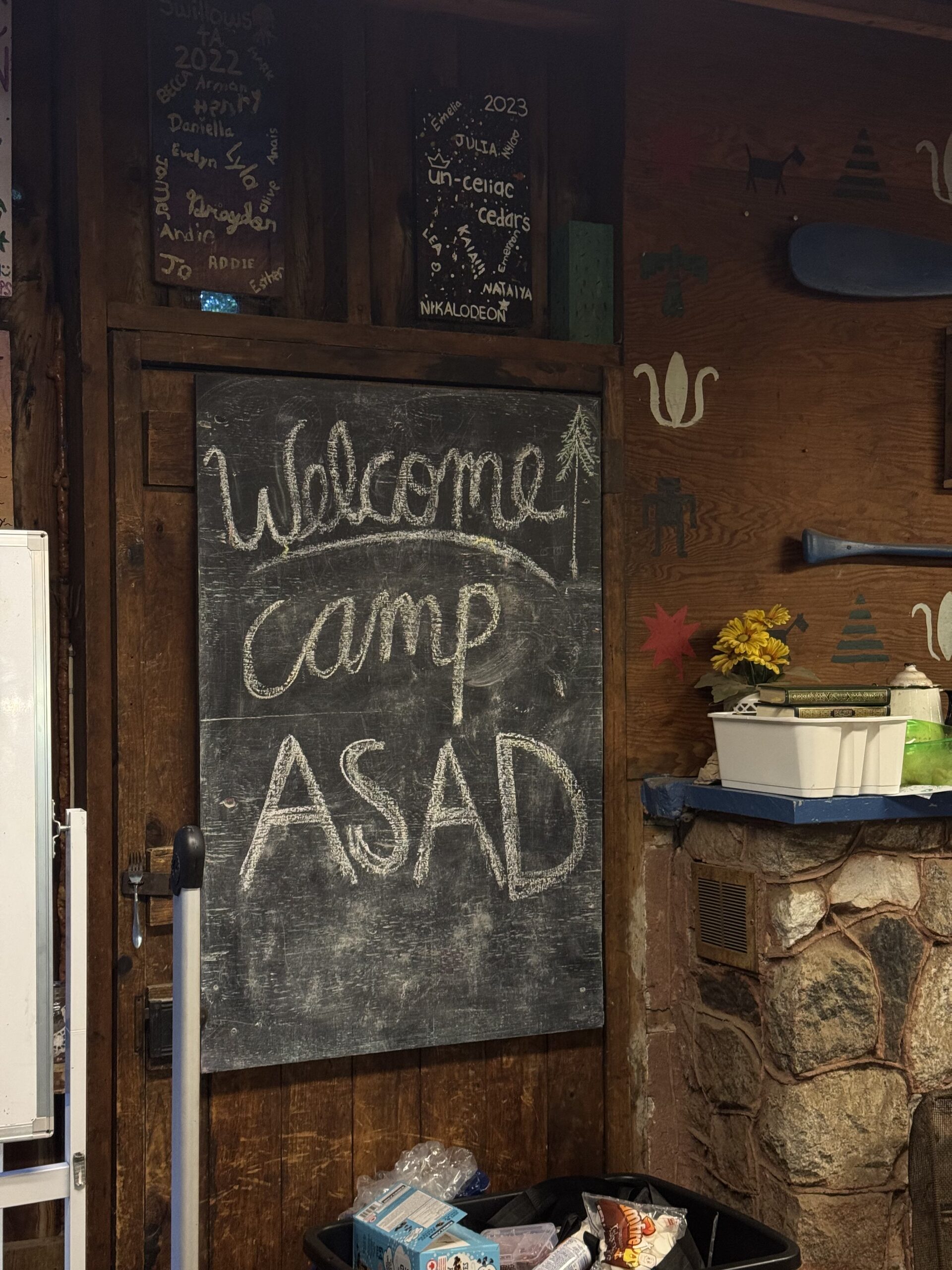
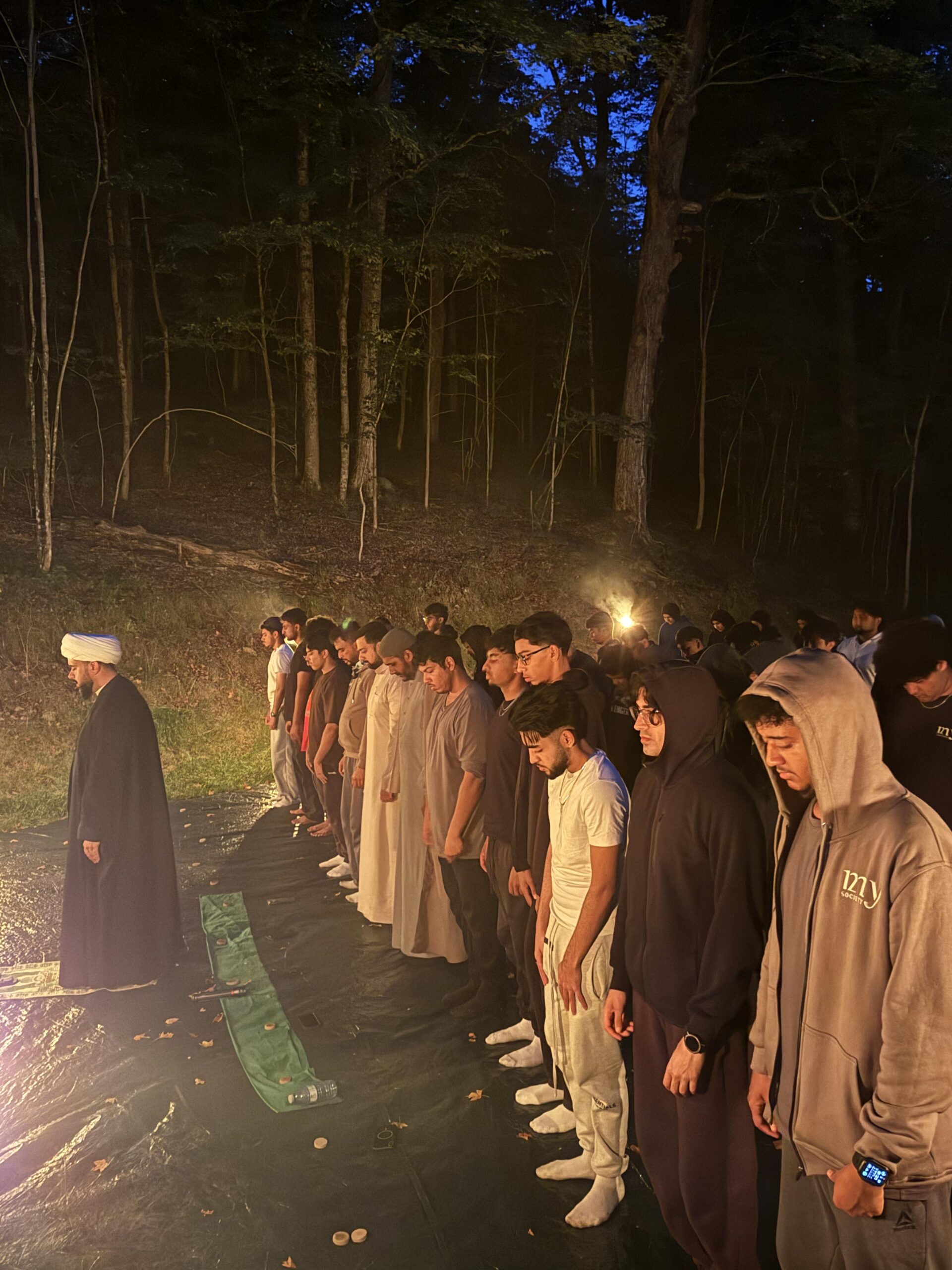
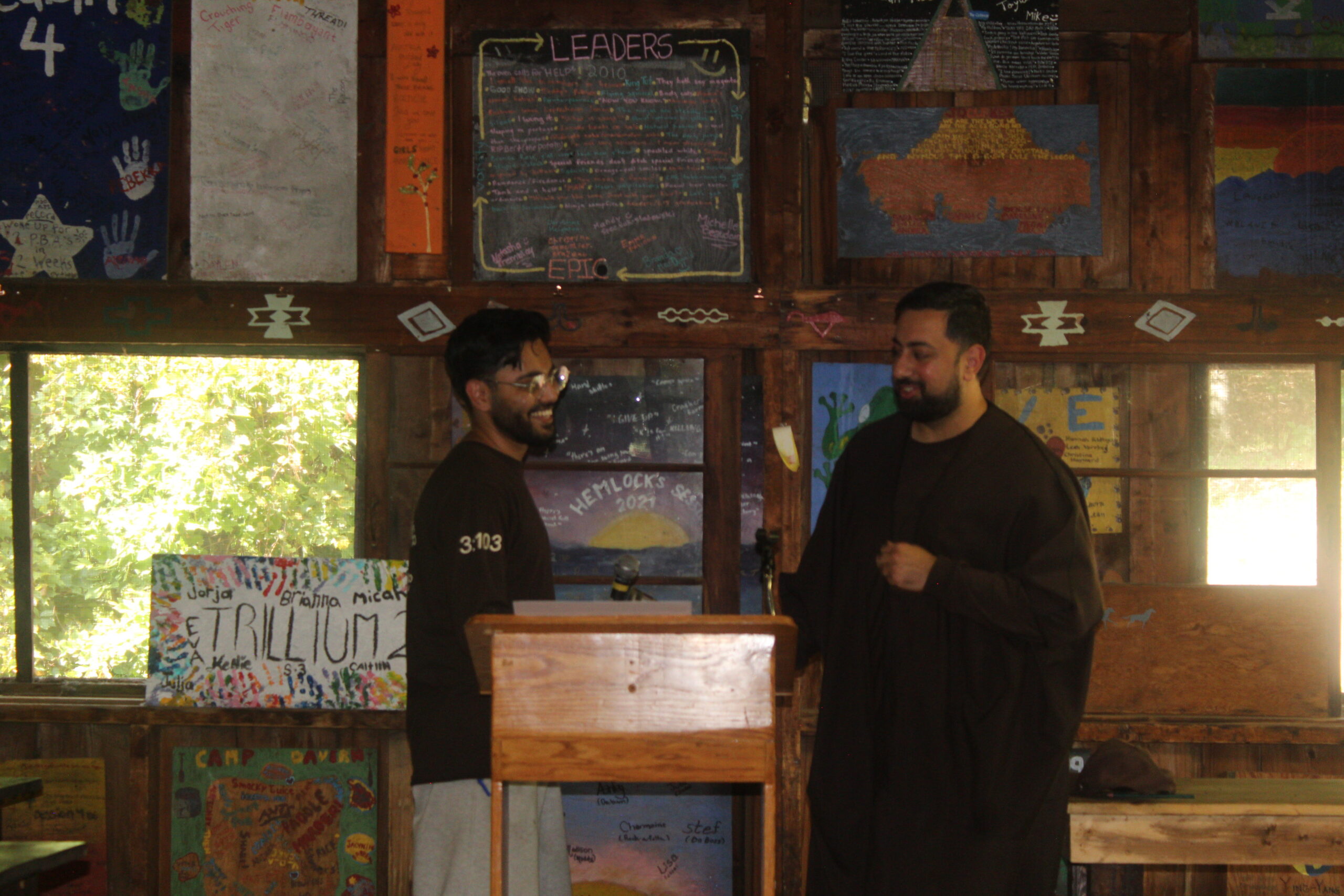
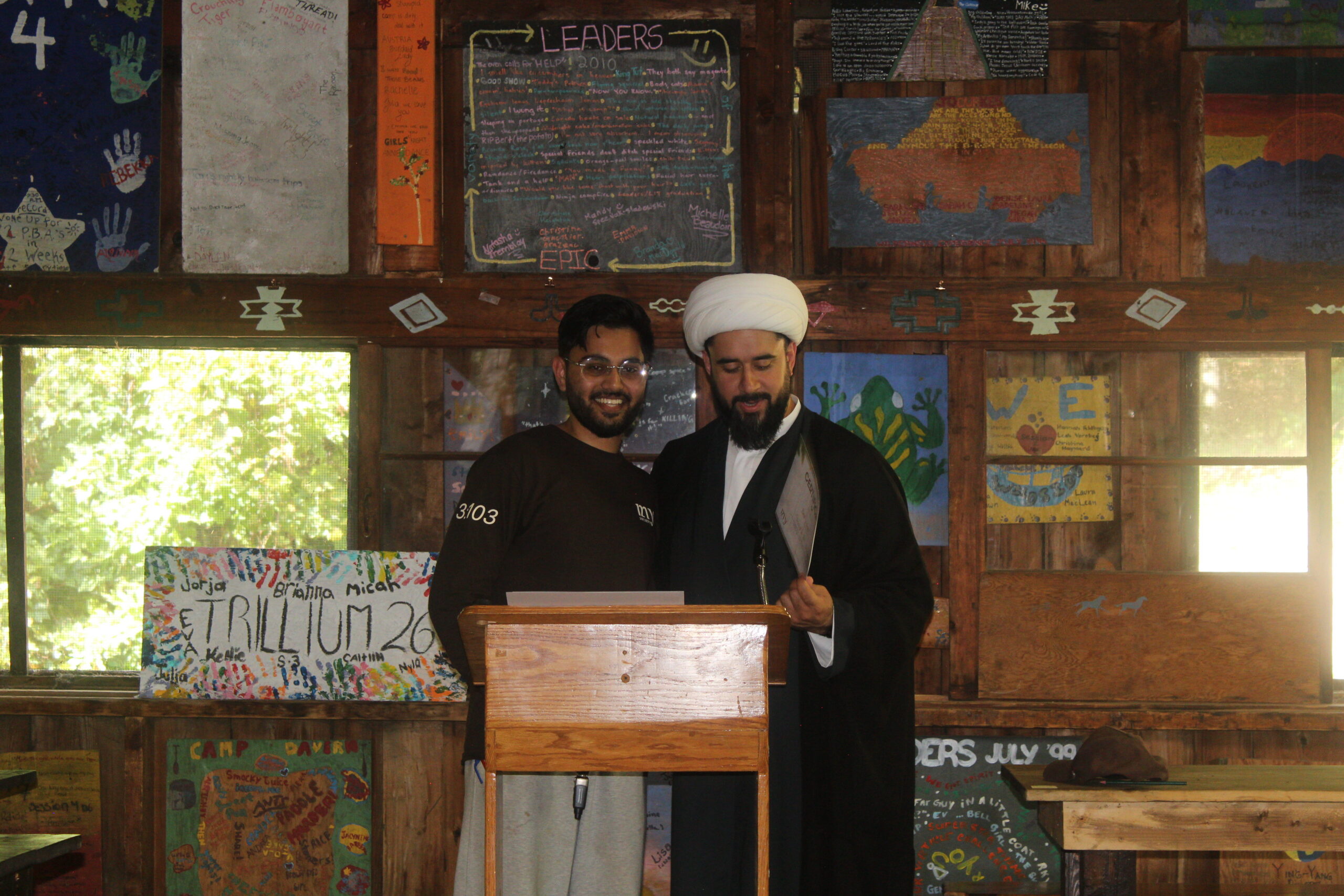
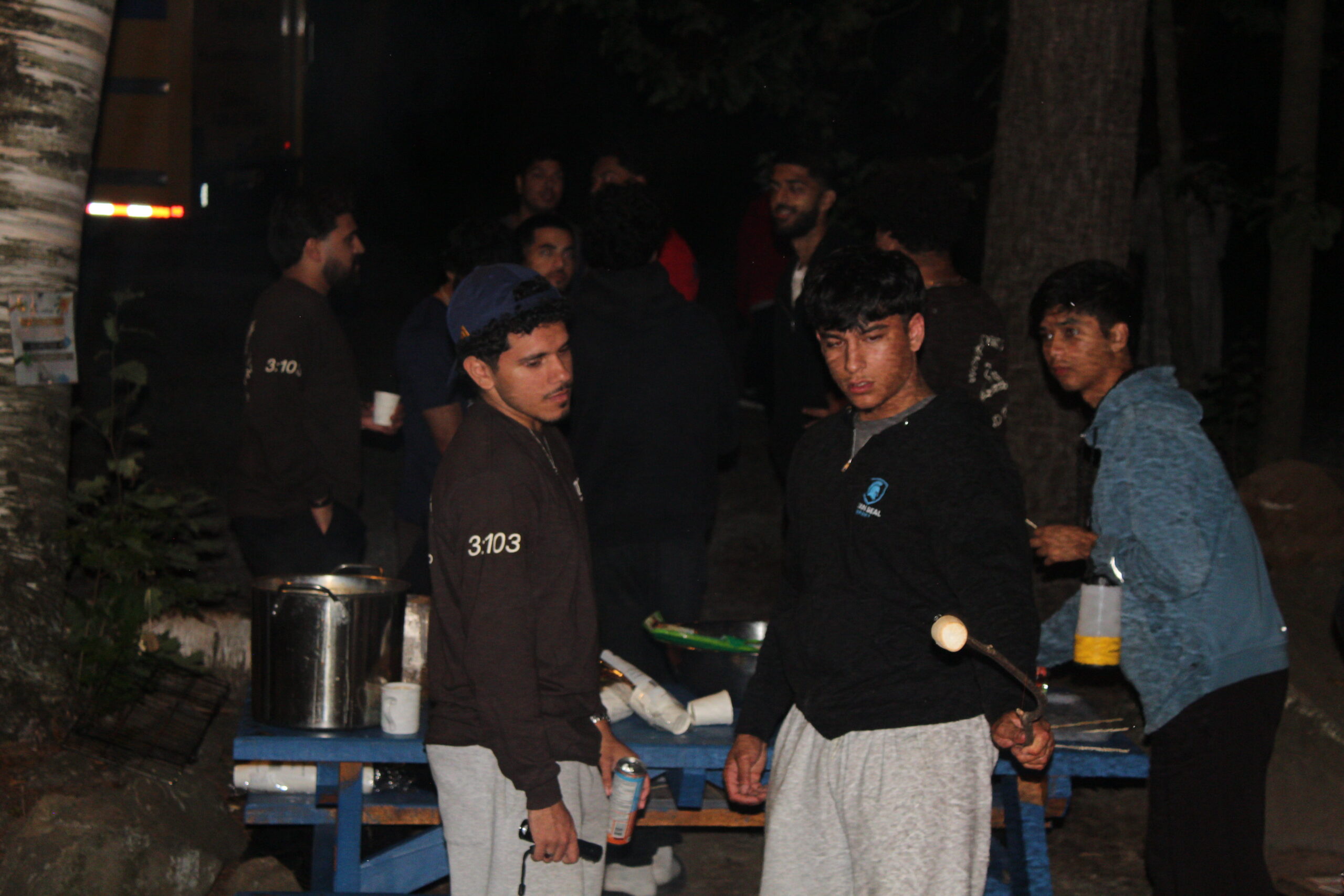
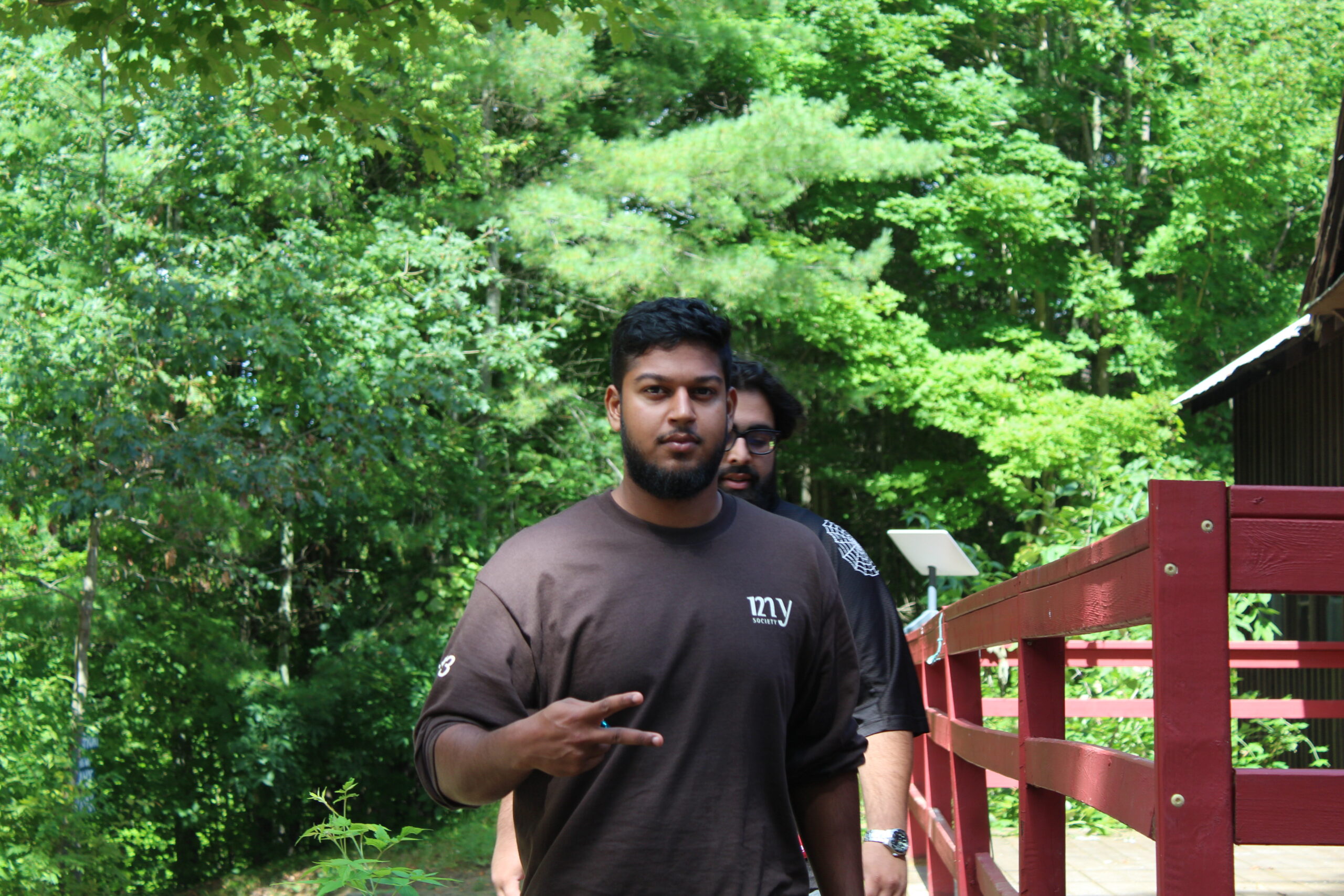
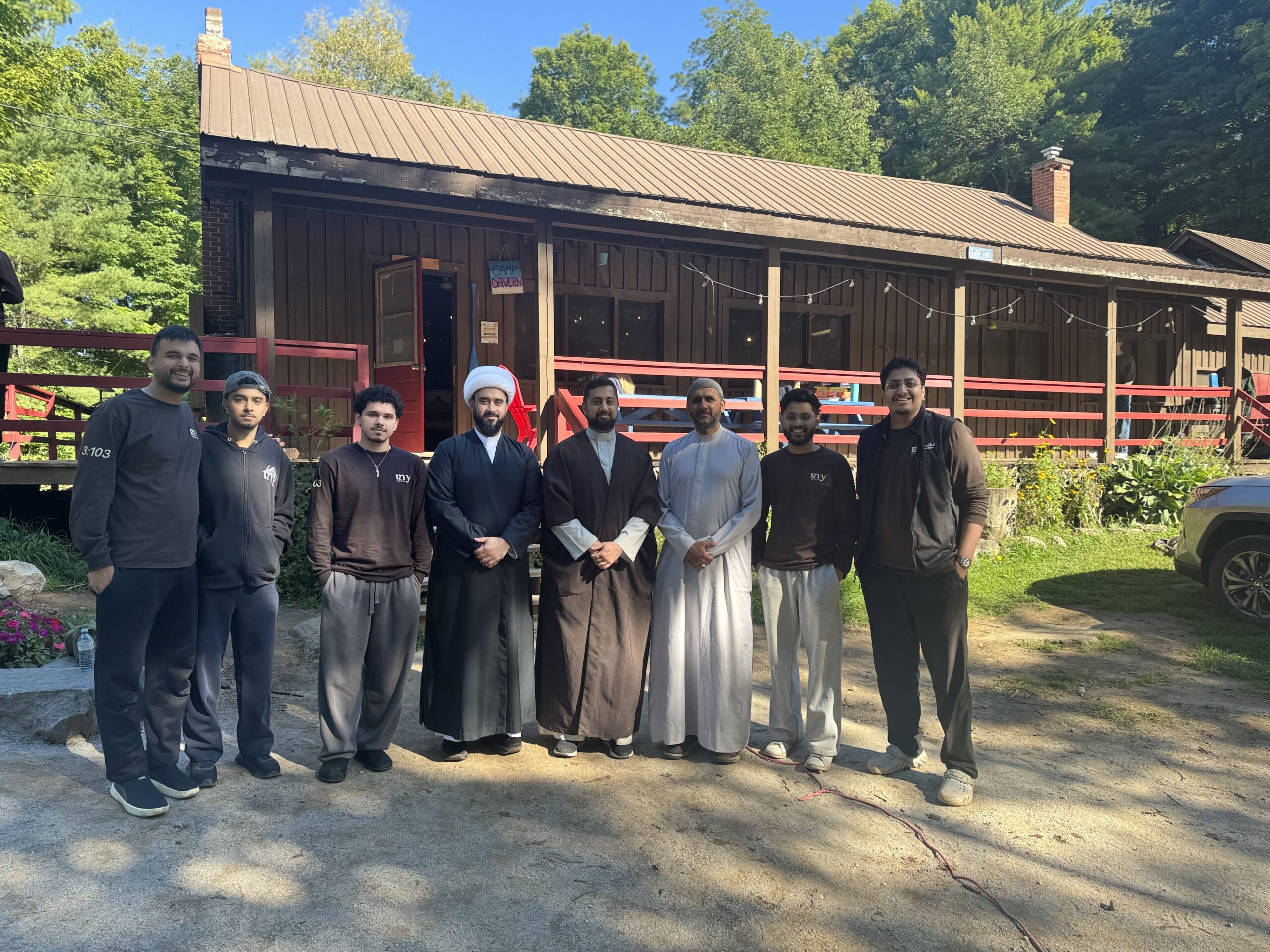
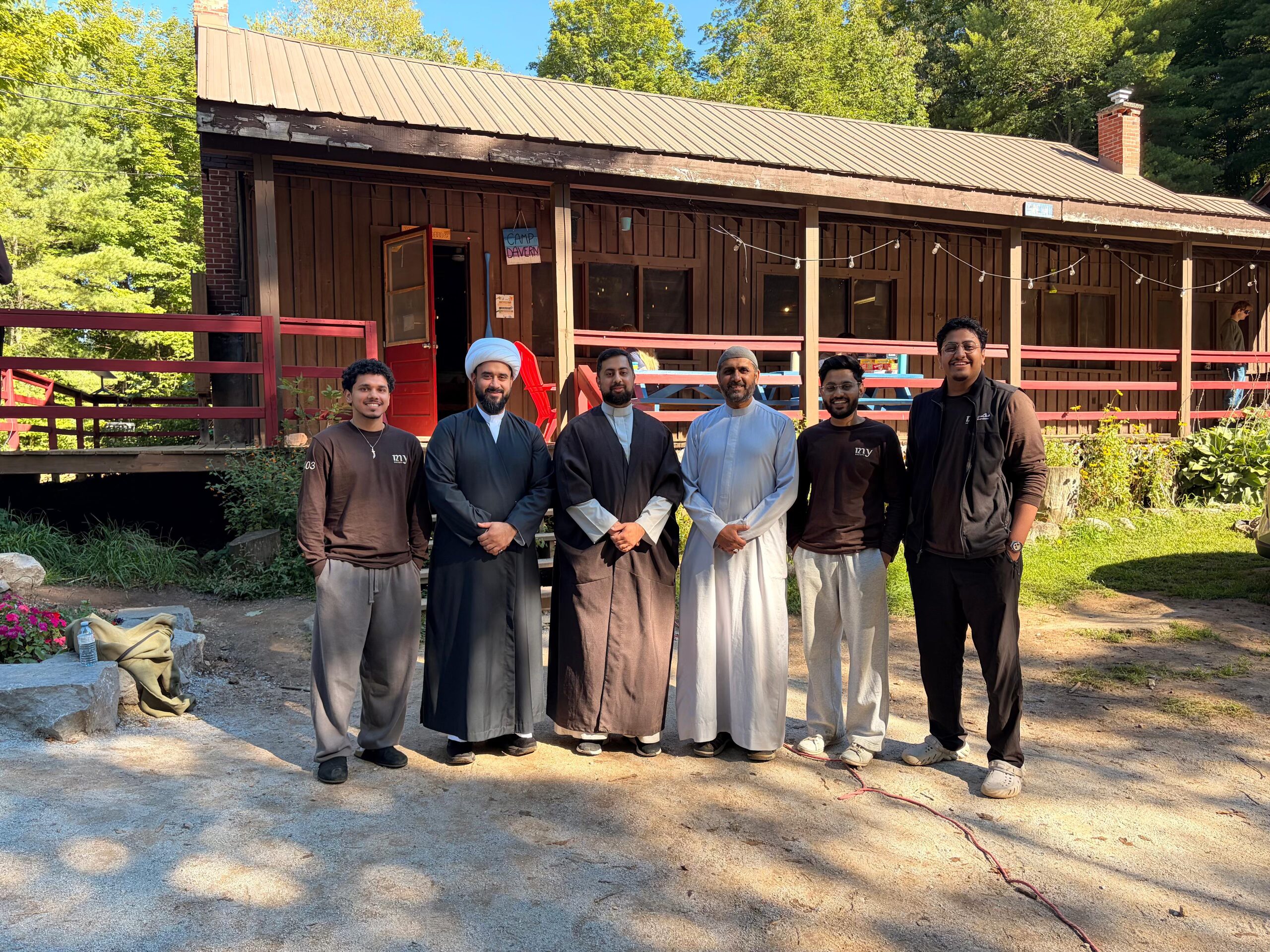
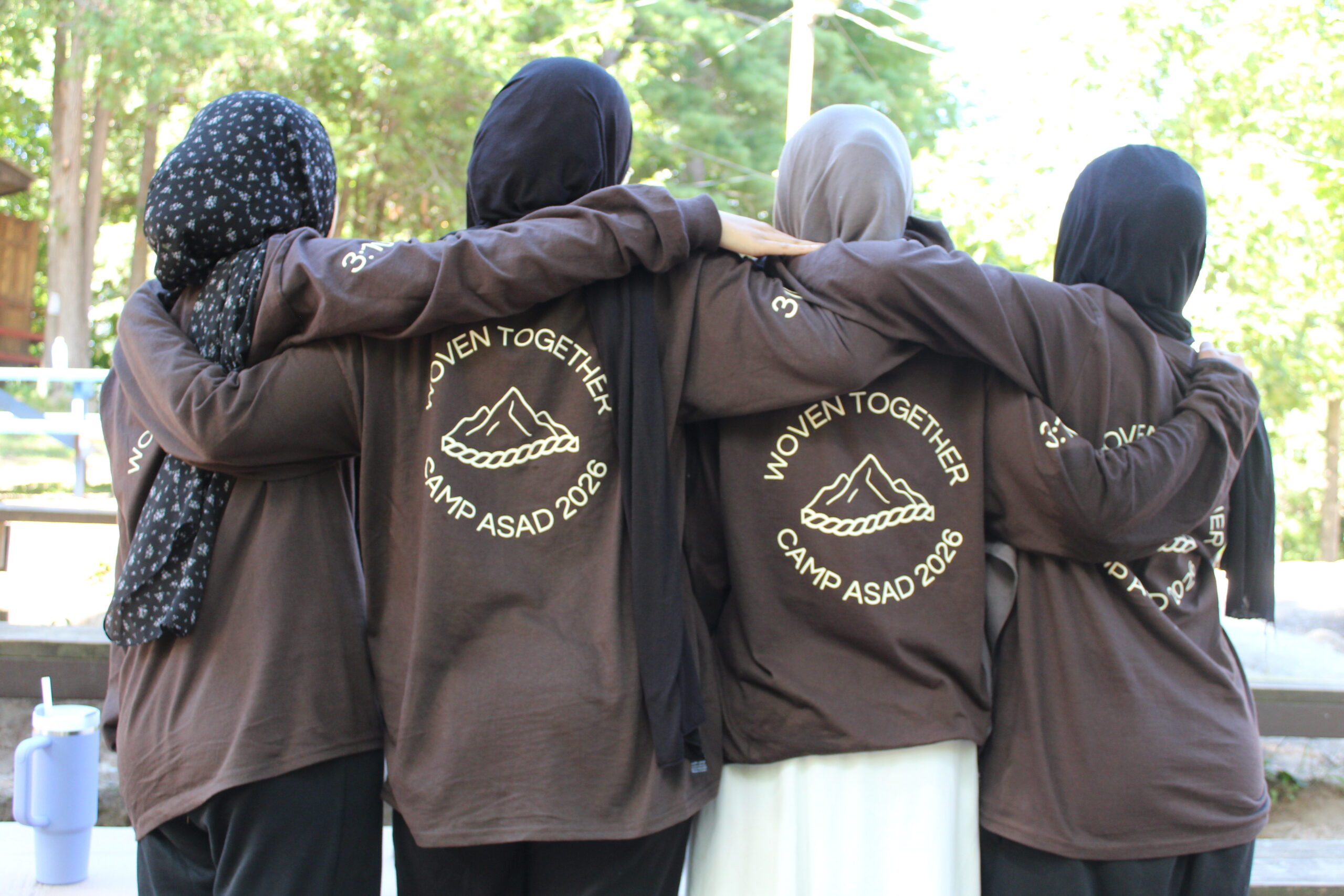
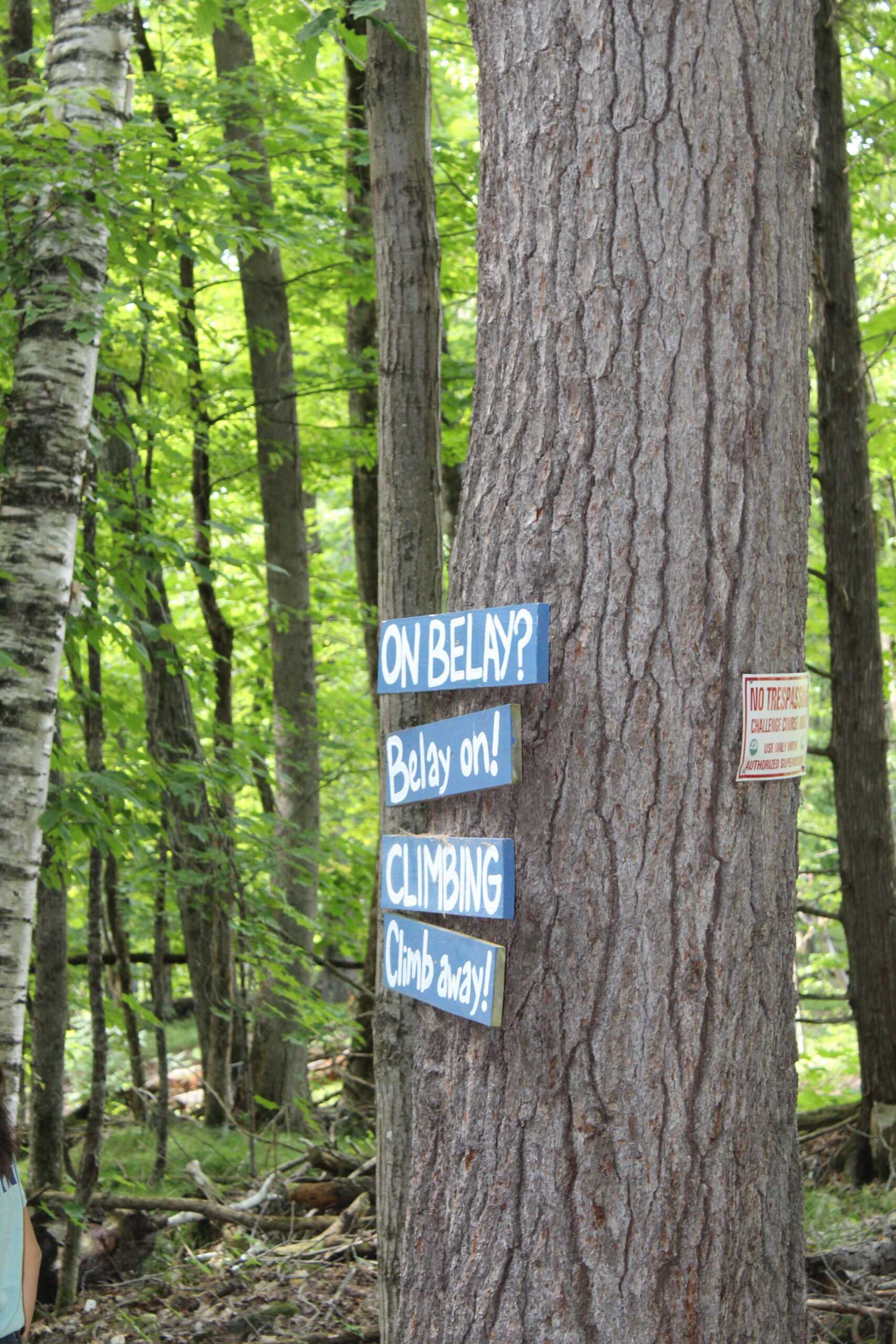
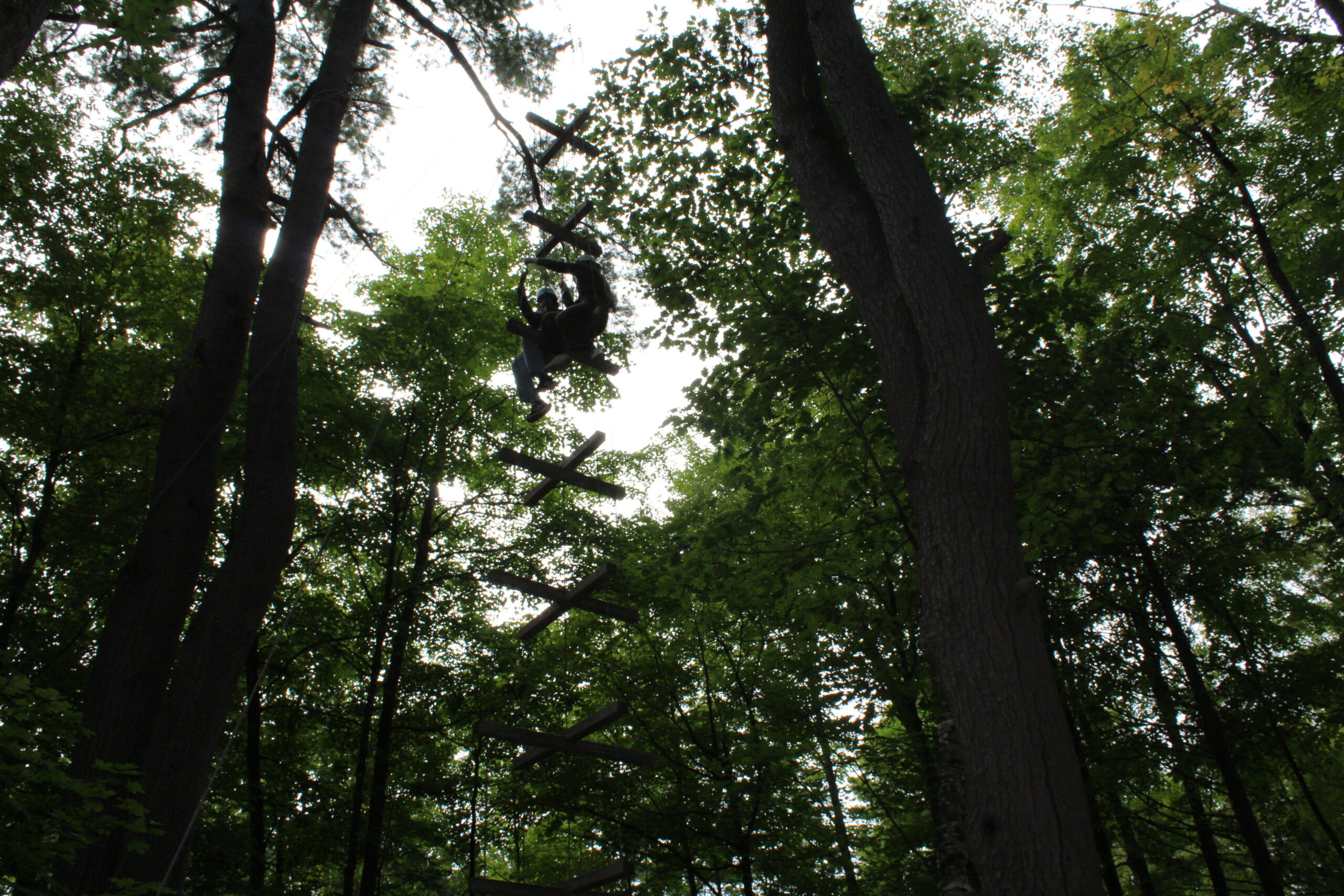
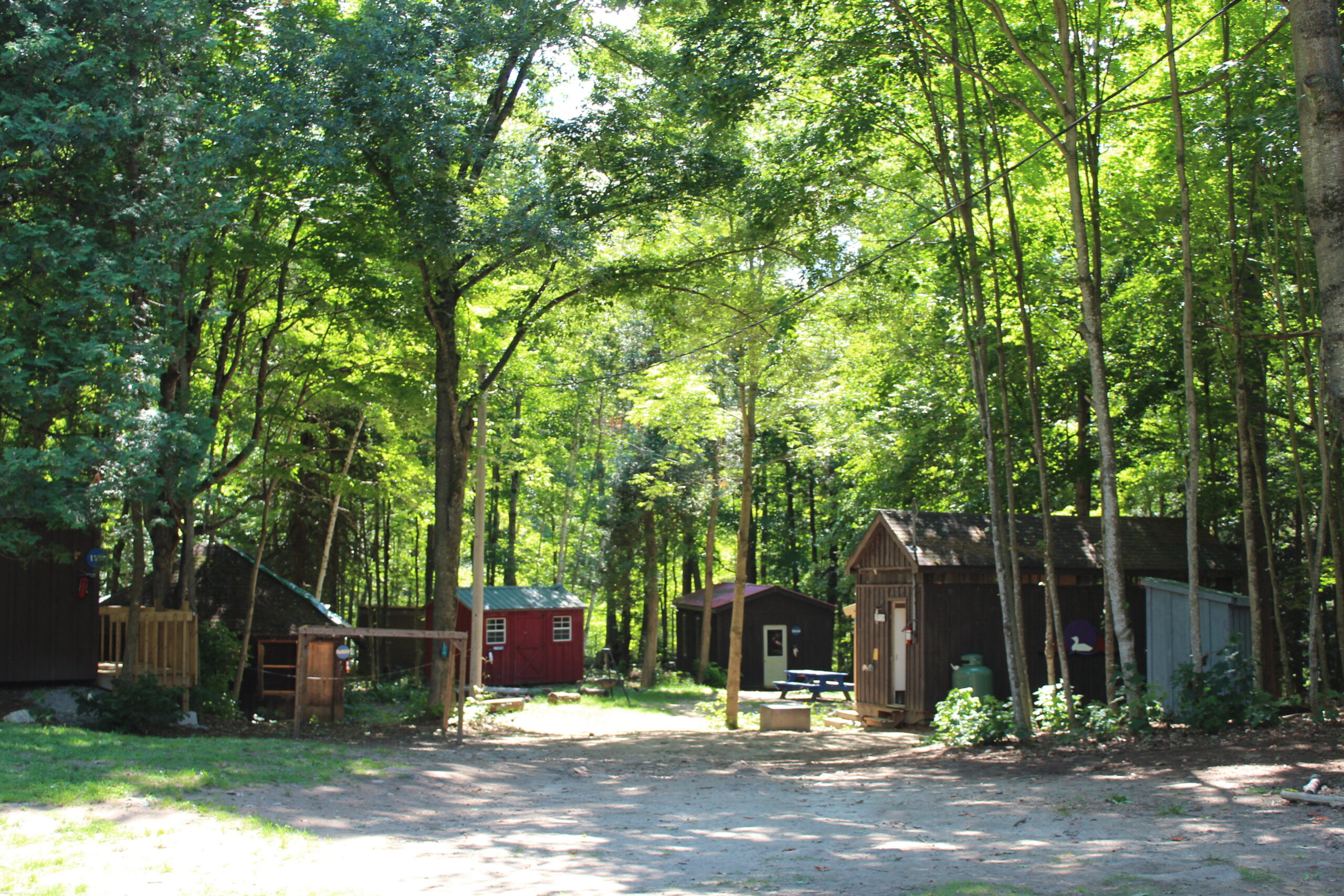
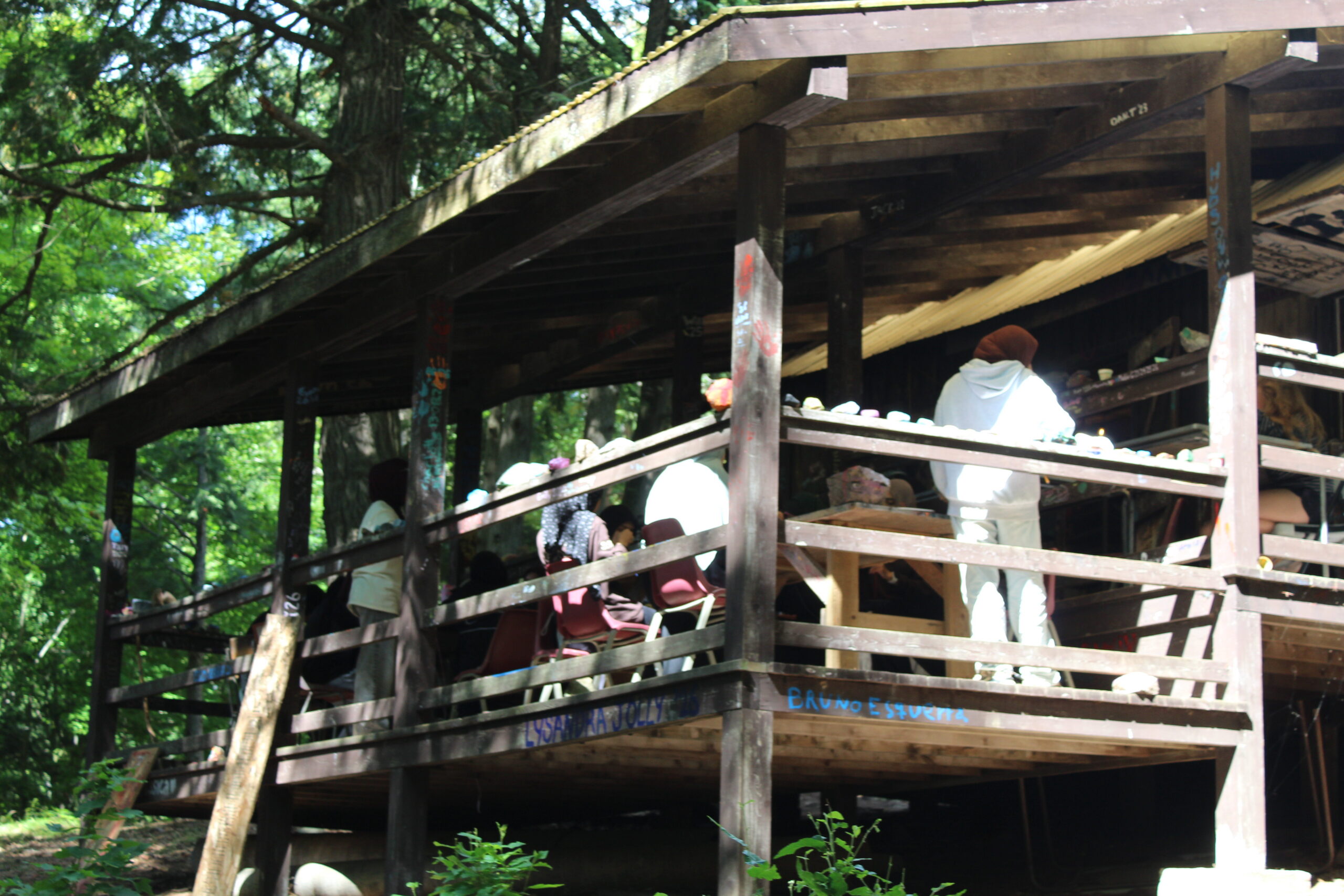
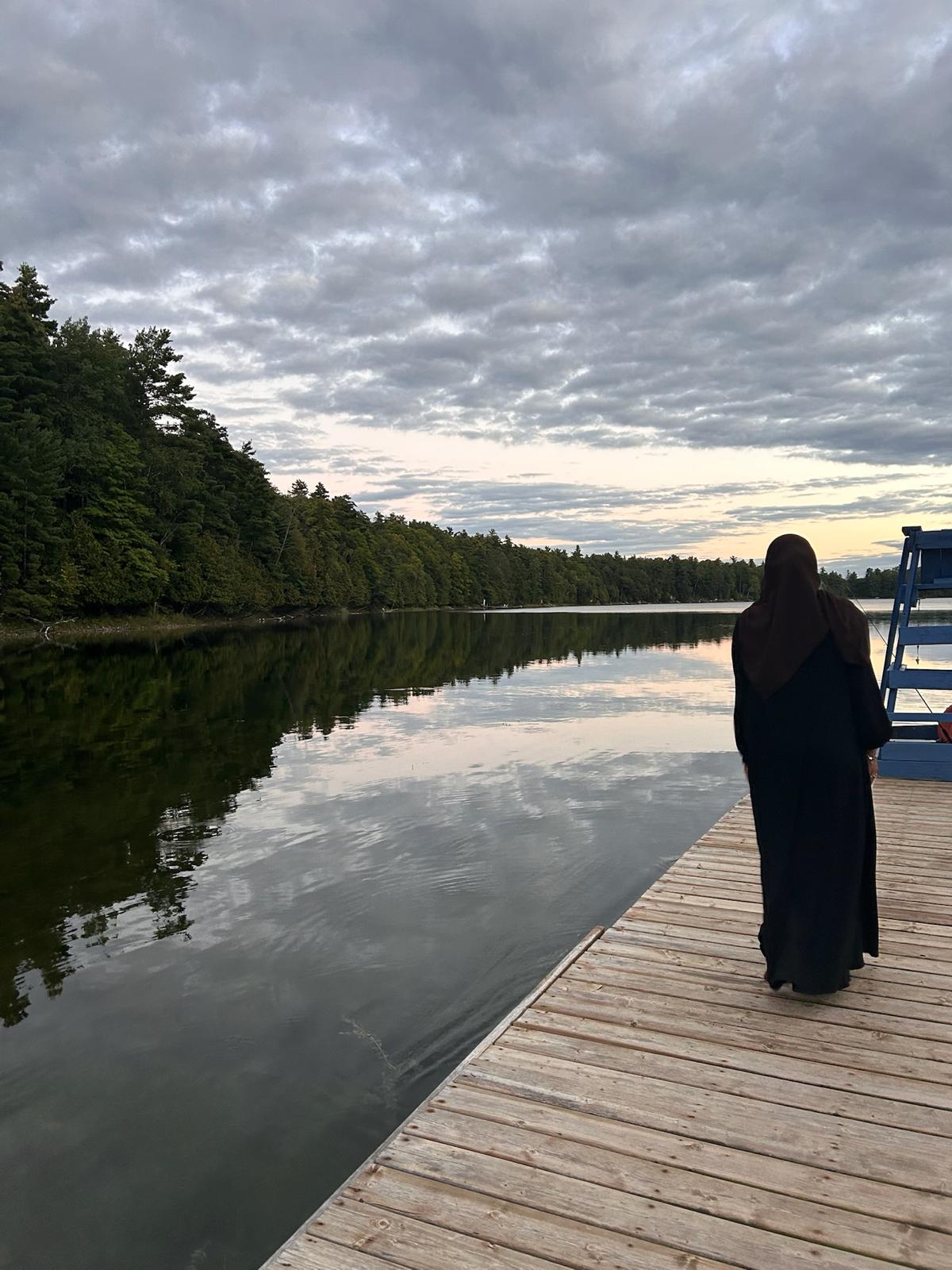
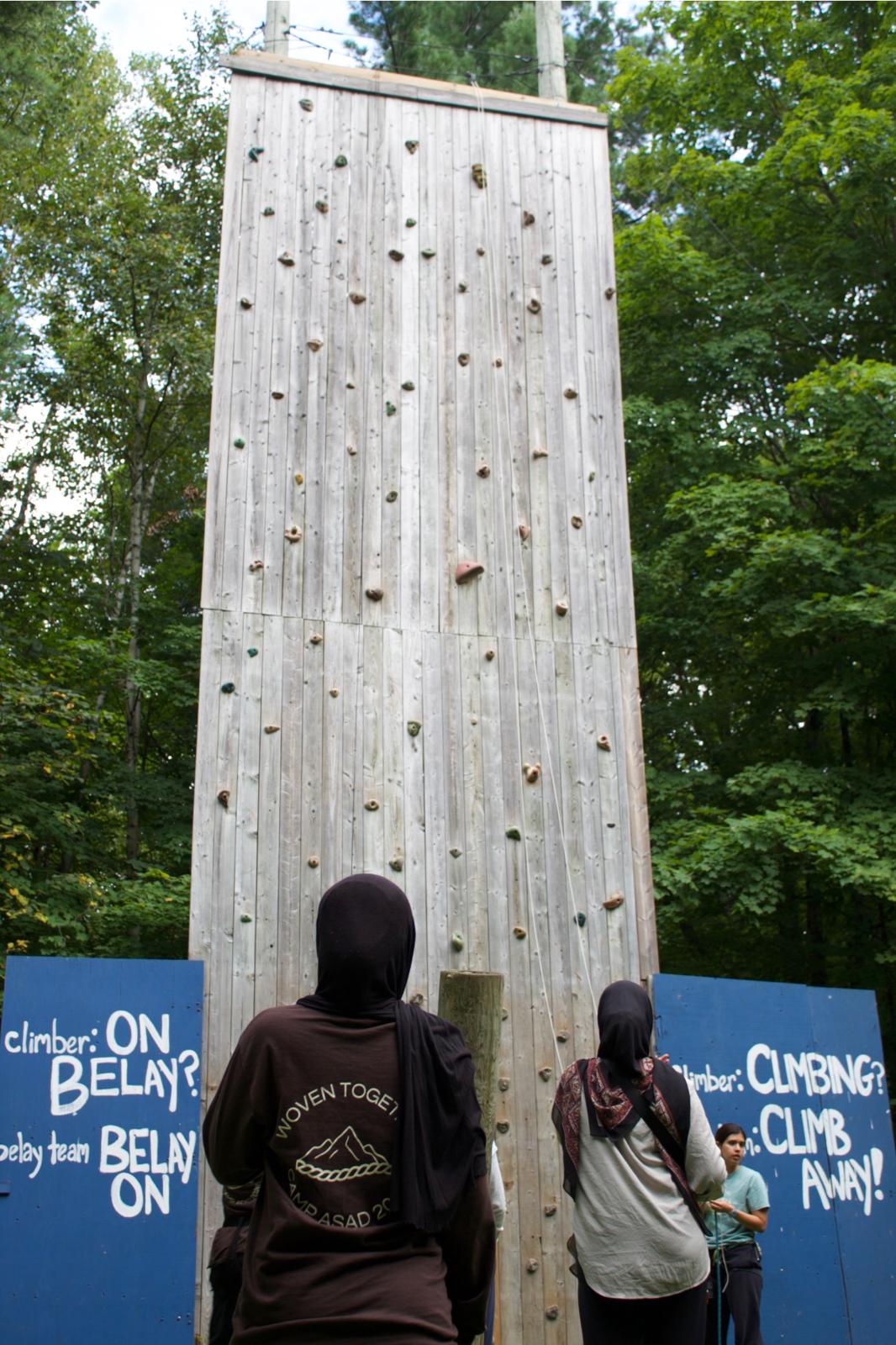
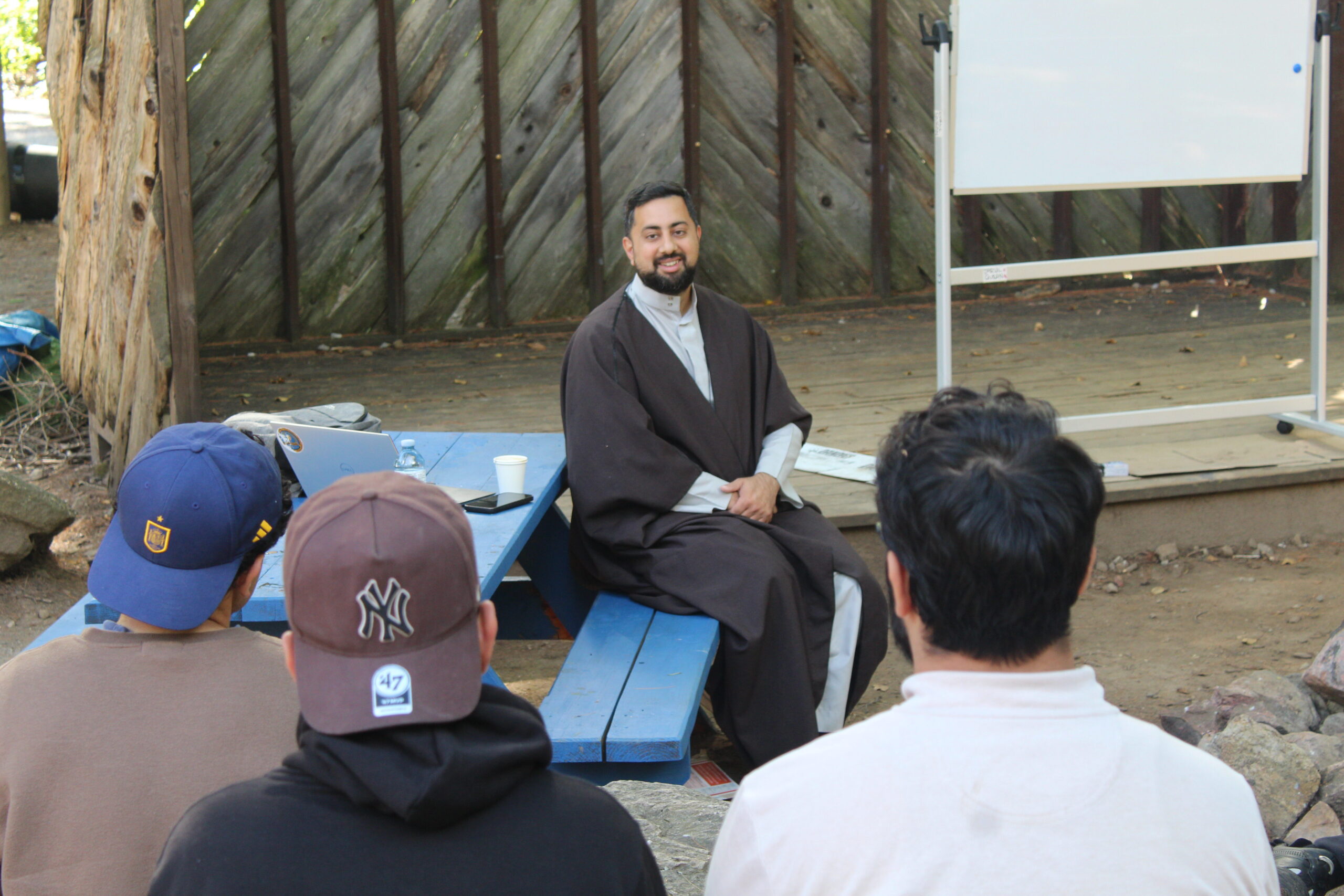
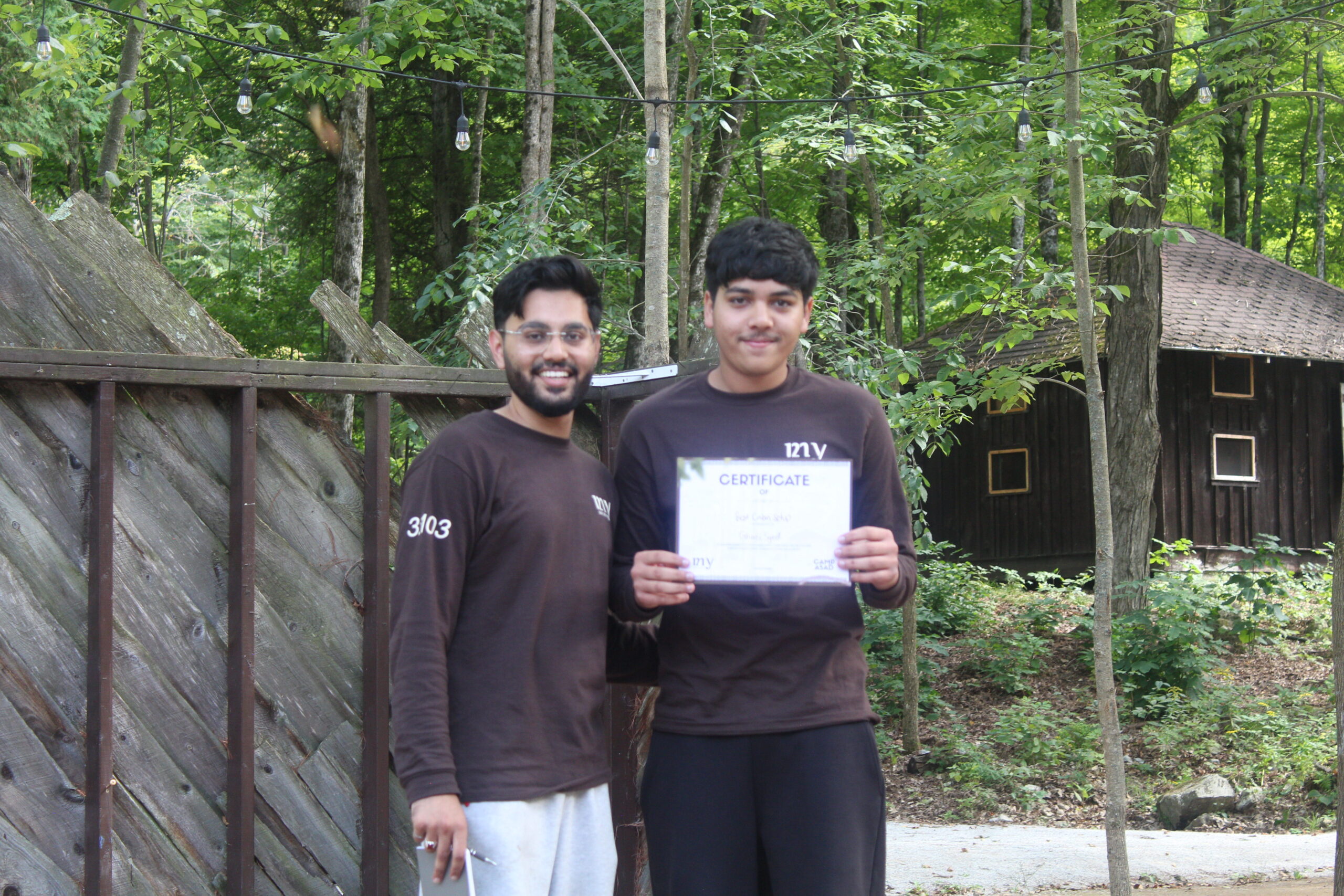
In honour of Marhum Syed Asad Jafri, this year’s Camp Asad brought together nearly 100 campers in Maberly, Ontario. This years theme was inspired by The Holy Qur’an 3:103, we were reminded of the importance of holding firmly to the Rope of Allah and strengthening the bonds that unite us as a community.

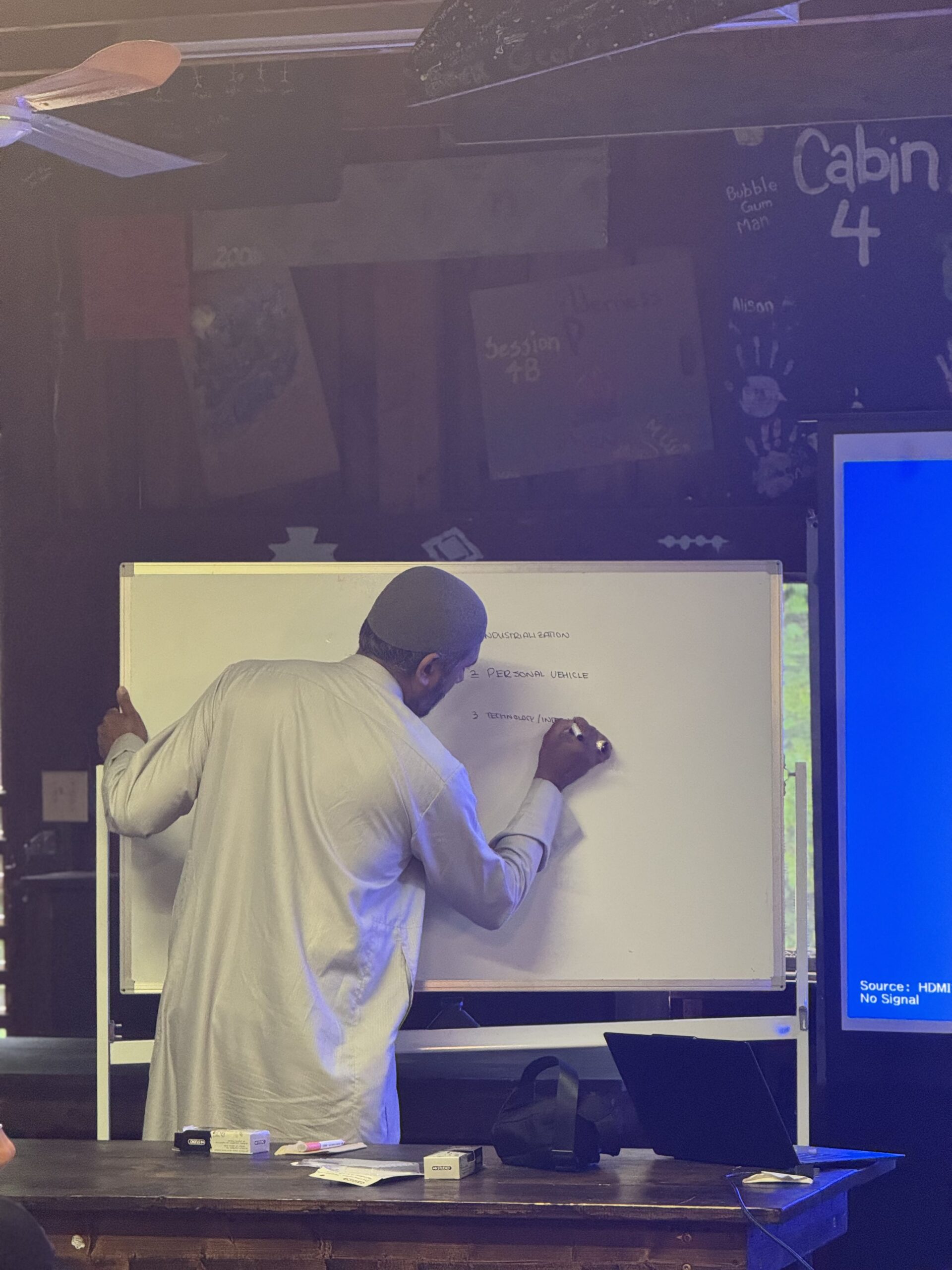
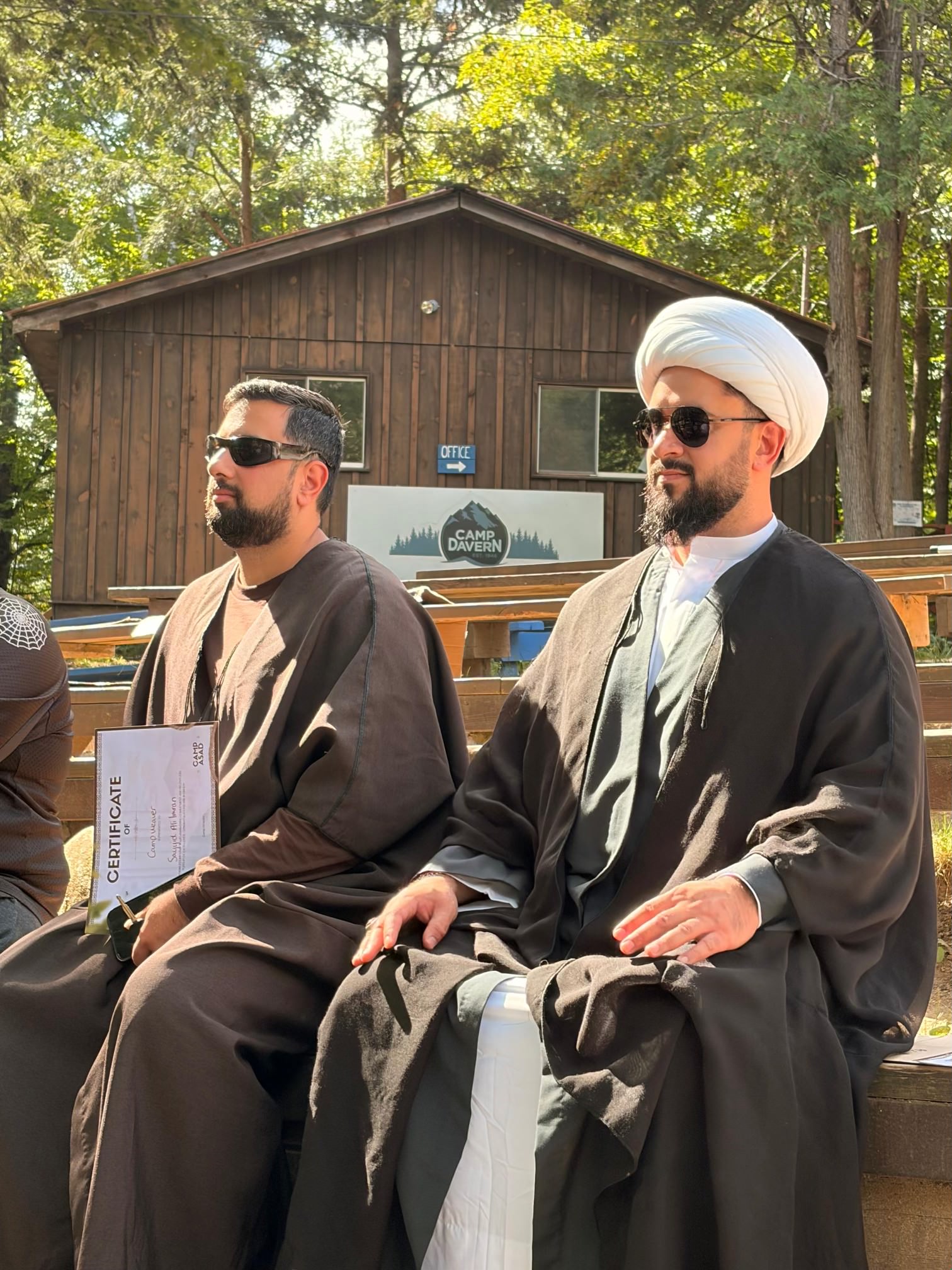
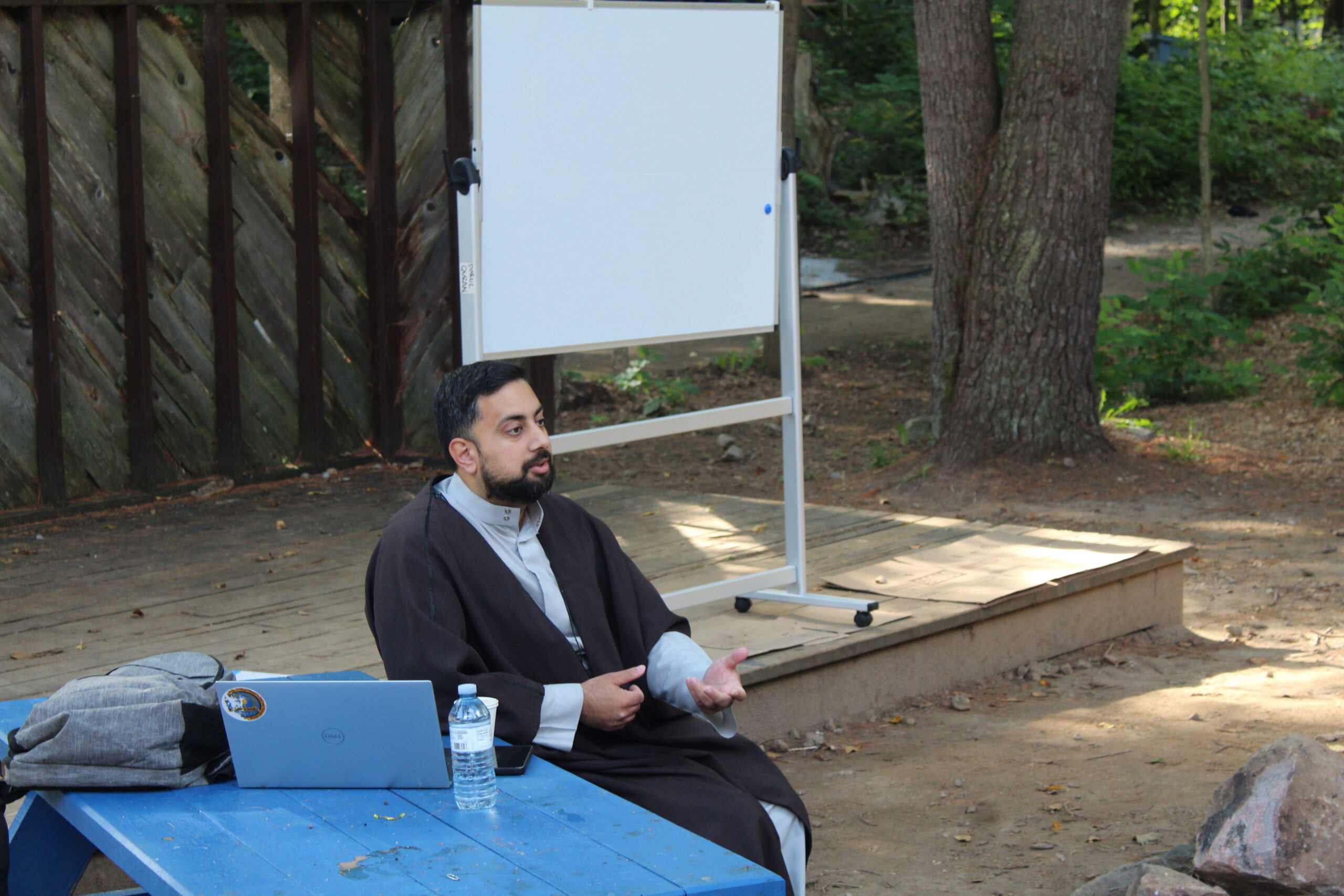
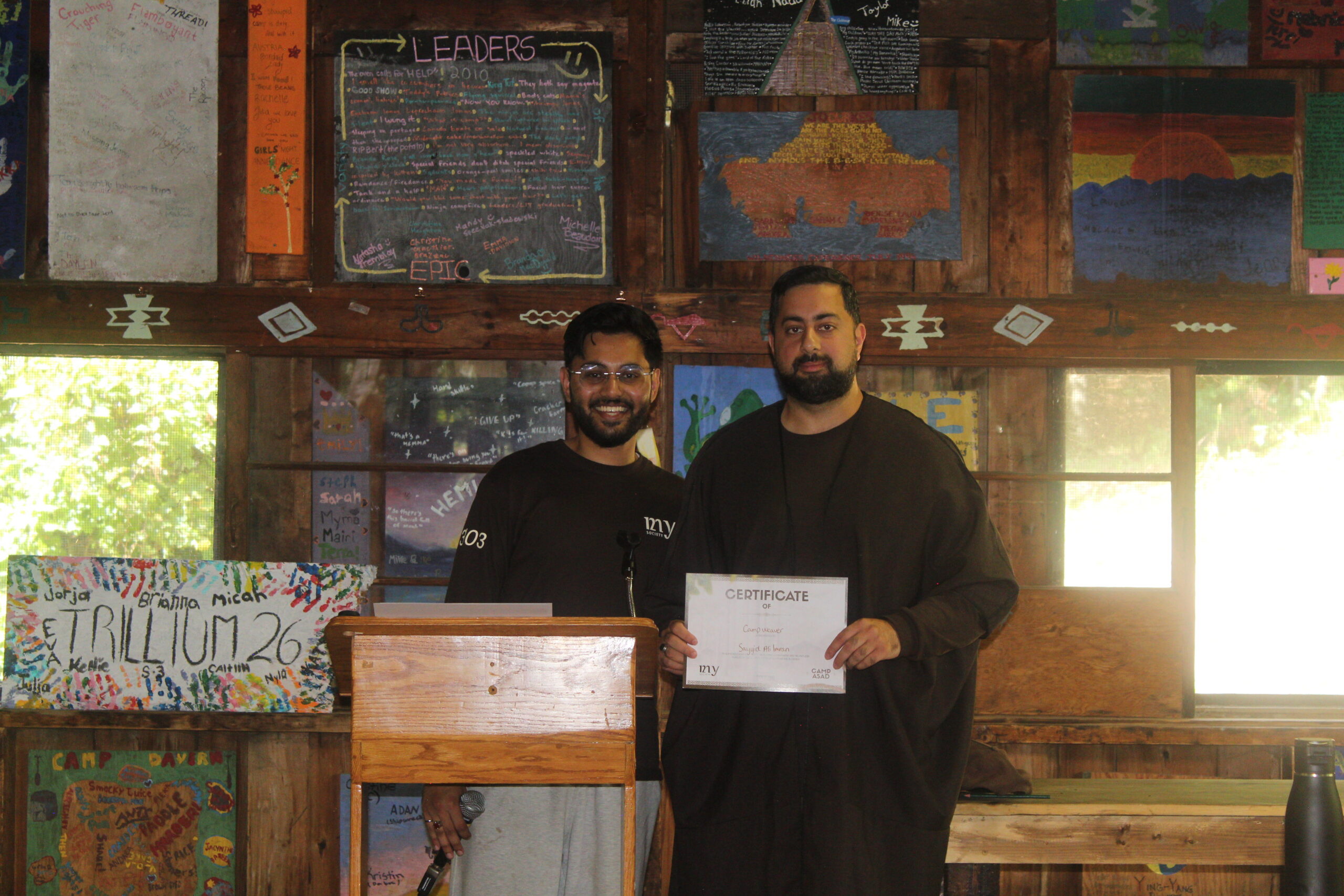
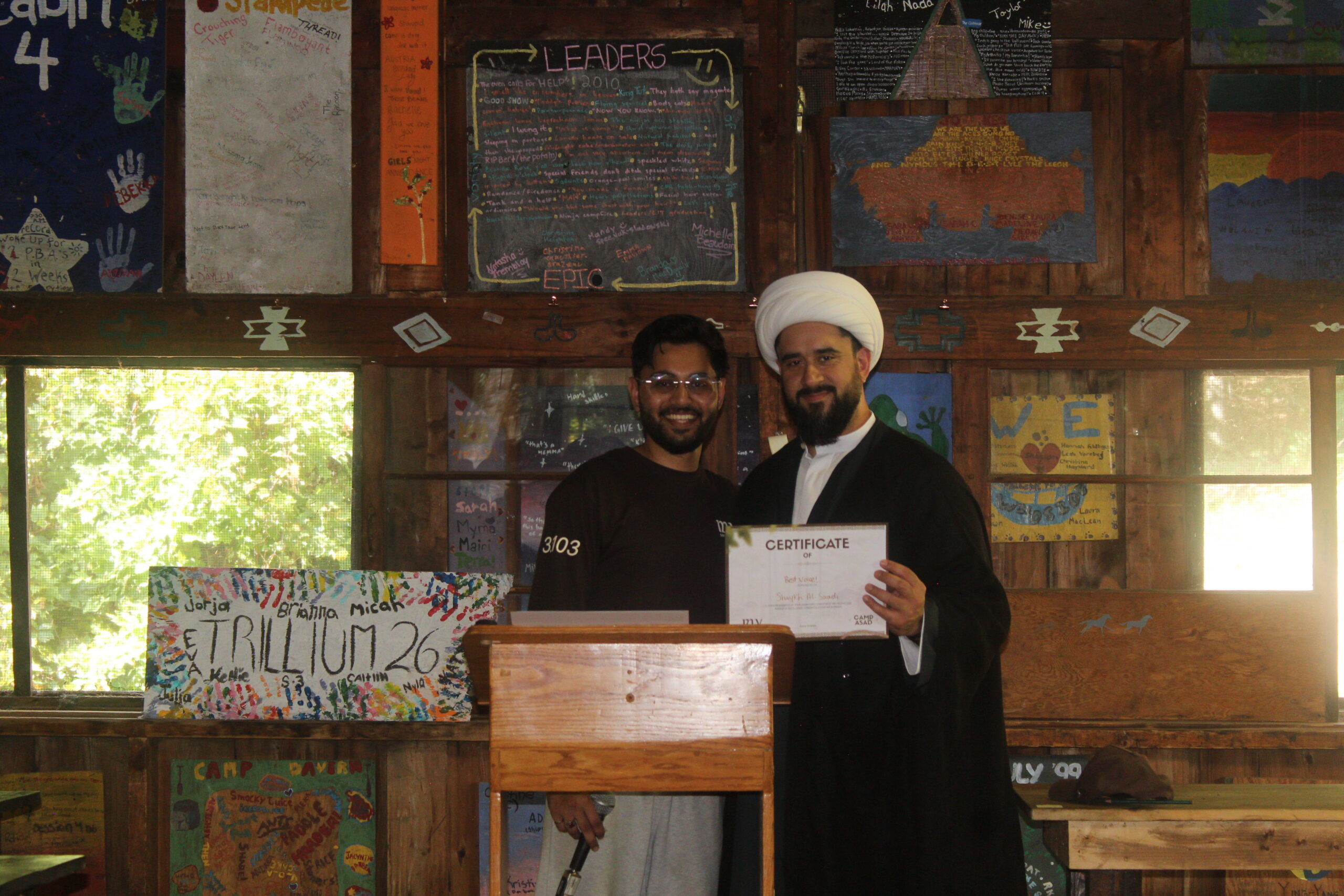
A special thank you to our scholars, Sayyid Ali Imran, Shaykh Murtaza Bachoo, Shaykh Mohammed Al-Saadi, and Sr. Zermina Awan, for sharing their knowledge, reflections, and guidance throughout the weekend.

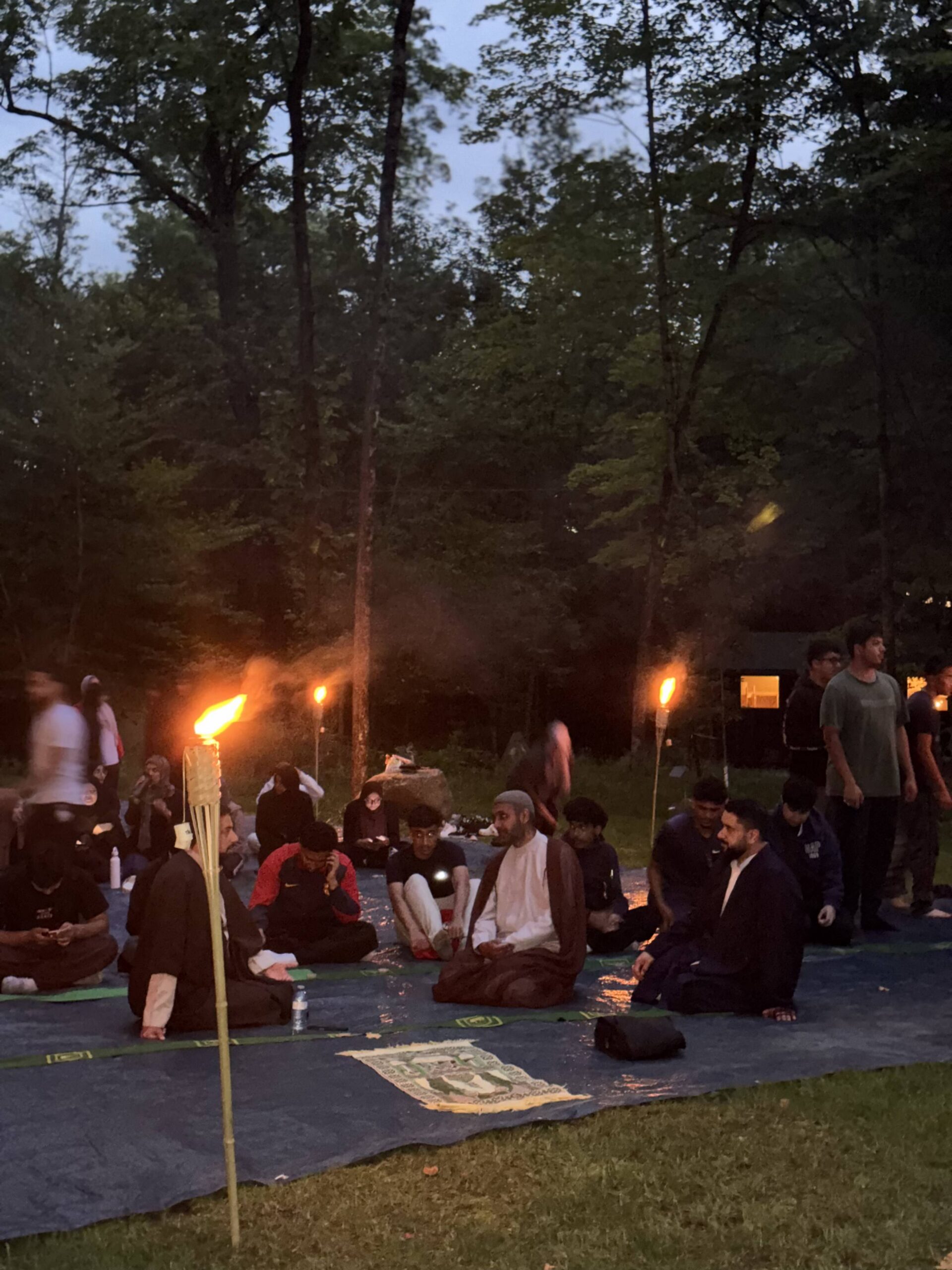
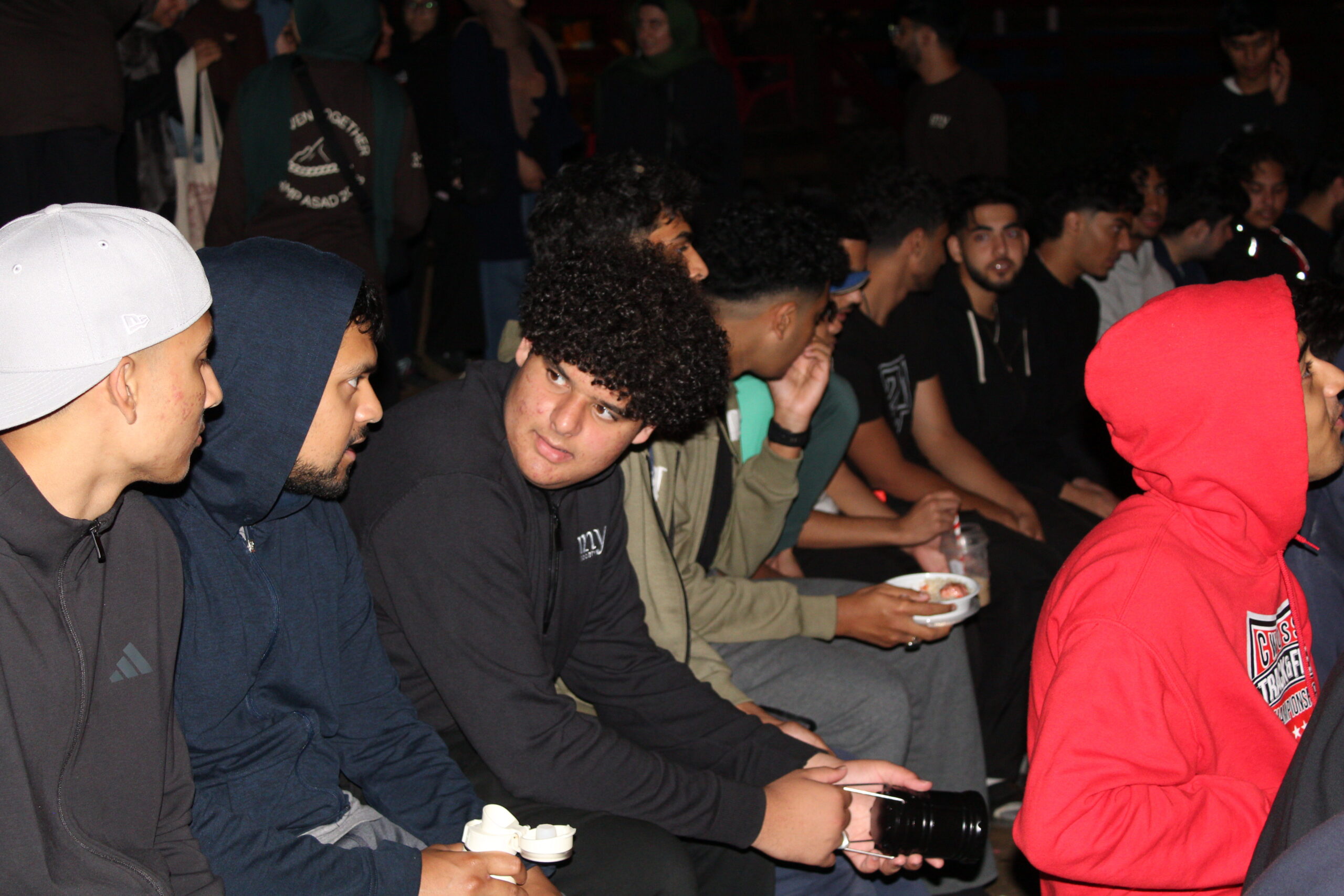
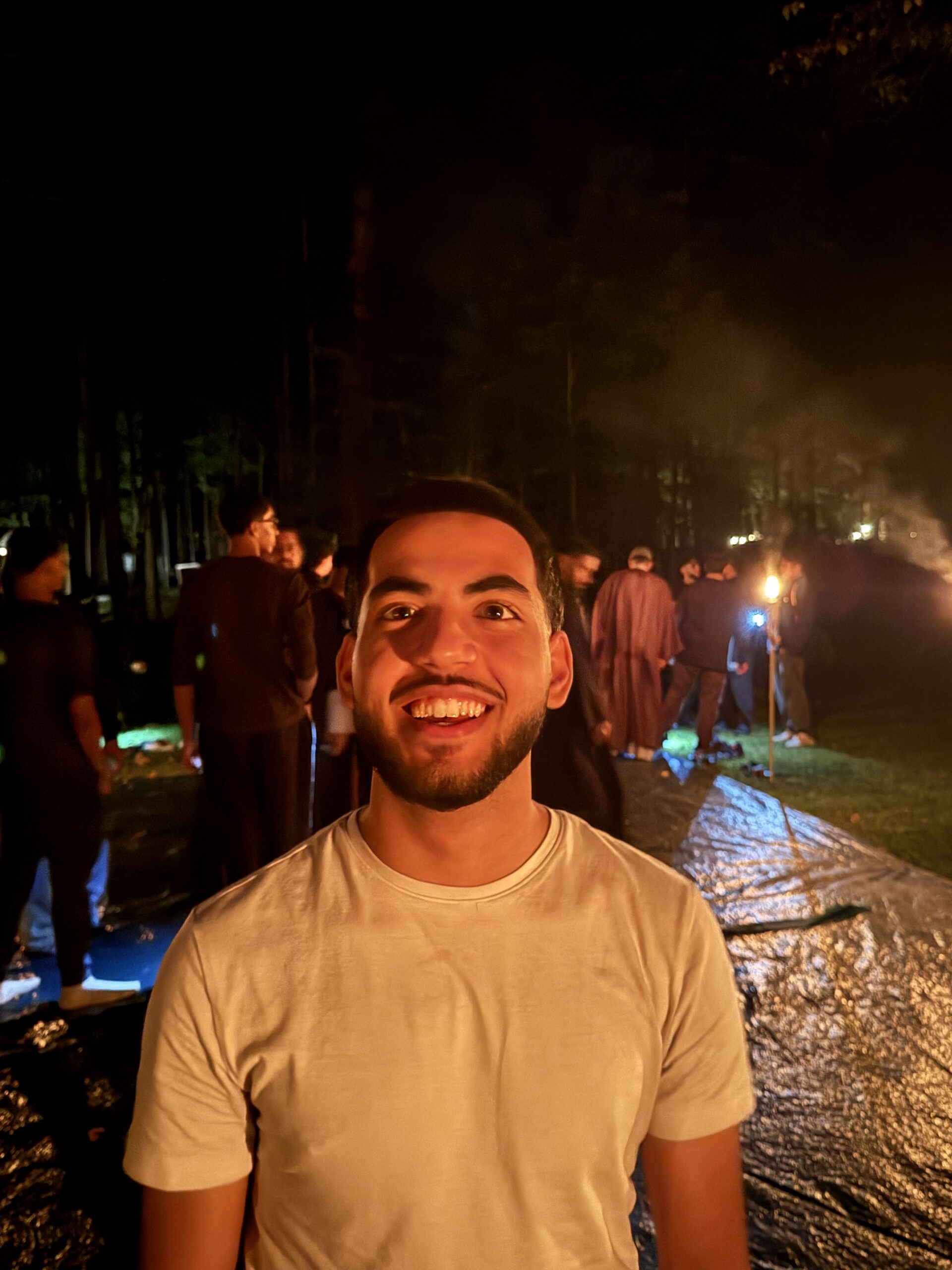
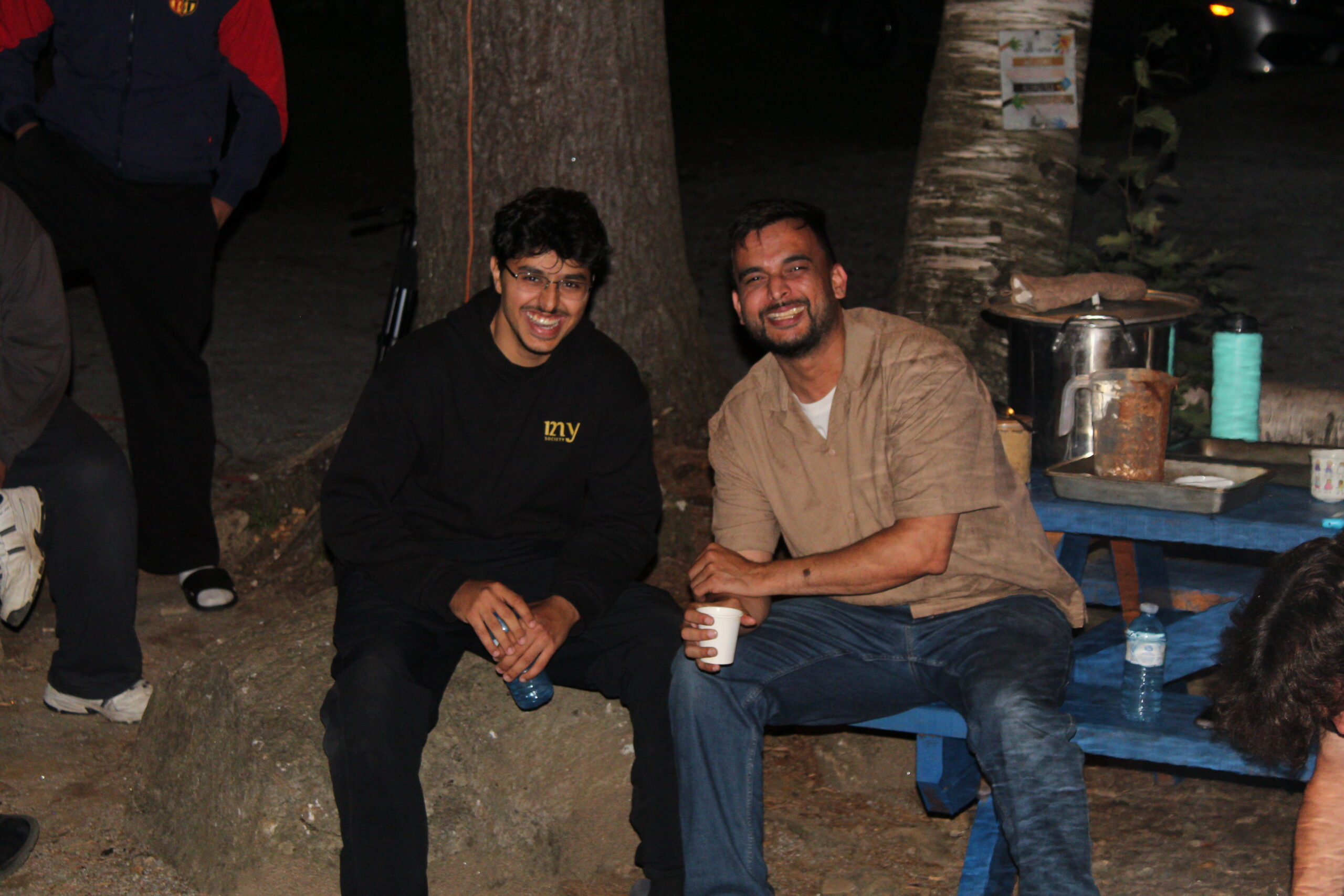
From the early morning Aalim hours to the late-night fireside conversations and moments of reflection, this was a weekend filled with memories we’ll carry with us.

Alhamdulillah for the friendships, the lessons, and the community that continues to bring us together.

Woven Together.

Muharram 2026 in Photos

A look back at our Muharram programming

From our 11-night English series, to our Brothers, Sisters, and Co-Ed discussions, our children’s program, and our 5-night Arbaeen Series, these nights were filled with reflection, learning, and remembrance. We were also blessed to come together for our Annual Shab-Bedari and the Al-Mahdi Mom n Tots Annual Arbaeen Walk.
Alhamdulillah for the opportunity to come together as a community and commemorate the tragedy of Karbala through knowledge and discussions.
We’d like to take the time to thank all of our volunteers who made these programs possible, and to the community for being patient with us throughout these months. We’d also like to especially thank all of the speakers who led our events. We had the pleasure of hosting Sayyid Hussain Makke, Sayyid Ali Imran, Sheikh Ali Safdari, Sayyid Saeed Alavi, Sayyid Muhammad Ali Najafi, Sheikh Hussain Modjtahedi & Sister Zermina Awan.
May Allah (SWT) accept our efforts and keep the lessons of Karbala alive in our hearts. 🖤

2026 Muharram Recap

2026 | ١٤٤٨

11 Nights with Sayyid Hussain Makke

There was a moment early in Sayyid’s Muharram lectures where he asked the room a simple, unsettling question: what would your life look like if you had never known Imam Hussain (AS)? Not admired him from a distance, not heard his name in passing, but actually knew him. It’s the kind of question that set the tone for everything that followed, this wasn’t a series about a battle that happened fourteen centuries ago. It was a series about how we’re supposed to live right now.
That was the thread holding these nights together, Sayyid Makke circled all of his speeches back to one core conviction: Islam was never meant to live only in books. You can study it, debate it, footnote it, but at some point, if it’s real, it has to be worn. It has to show up in a person. And for the Shia tradition, that person is the Imam: not a scholar, not a political figure, but a living, breathing embodiment of what the religion actually asks of us. The lectures opened at the very beginning of the story, Prophet Adam’s creation, the angels’ perplexity that Allah (SWT) would make a creature capable of disobeying Him, and Allah’s quiet answer: I know what you don’t know. Free will, as it turned out, wasn’t a design flaw, it was the whole point. Without the ability to choose wrongly, there could be no one who chooses rightly, meaning no Imam Hussain (AS), no Karbala, none of it.
From there, the series built a striking interpretive method. Sayyid suggested that if you want to understand what the Imam was really doing at any given moment, you have to read his life the way scholars read the Qur’an, by separating the clear, foundational principles from the vague situational details, and letting the former explain the latter. It sounds academic on paper, but in practice it becomes the engine for everything else he said: every decision Imam Hussain (AS) made in the lead-up to Karbala, he argued, was intentional, purposeful, and never just personal. When the Imam refused to pledge allegiance to Yazid, when he left Medina, when he kept walking towards Kufa even after being warned he’ll be killed, none of it, in this reading, is impulsive or merely political. It’s a message, delivered on purpose, to everyone who would ever come after him.

One of the more quietly devastating threads running through the lectures was the tension between this world, and the next. Sayyid kept returning to a single line from Imam Hussain’s (AS) final letter to his brother: “It is as if this world never existed, and the next world never ceased to exist.” This is seen in the sermon in Mecca where the Imam laid out two conditions for anyone who wanted to join him (a willingness to give up everything, and a genuine readiness to meet our lord), and only around seventy people actually met those conditions, where in contrast between the calm, almost peaceful atmosphere in the Imam’s camp and the anxious infighting in the army of the enemy sent to stop him. The people who stayed weren’t the ones with nothing to lose. They were the ones who had decided, deliberately, what actually mattered.

Underneath all of it sits a theological backbone that Sayyid Makke doesn’t shy away from getting technical about, the transmission history of Shia hadith literature, a narration describing the future occultation of the twelfth Imam, and the idea, borrowed from the tradition, that to know Allah (SWT) is really to know the Imam of your own era. It’s a bold claim, and he knows it: to die without knowing your Imam, in this framework, is to die without ever having found your bearings at all. Which is why, by the end of the lectures, the killing of Imam Hussain (AS) wasn’t described as a political assassination or a tribal dispute. It was instead described as an attack on Allah’s (SWT) guidance as embodied in his divinely appointed representative. And so Karbala in turn, becomes something closer to a message that was always meant to outlive the moment it happened in: proof that dignity can outlast power, and a blueprint for anyone still trying to figure out what it means to actually live what they believe.

Striving to be worthy.

510 Third Concession Rd Pickering, ON L1X 2R5

my@cig.ca